
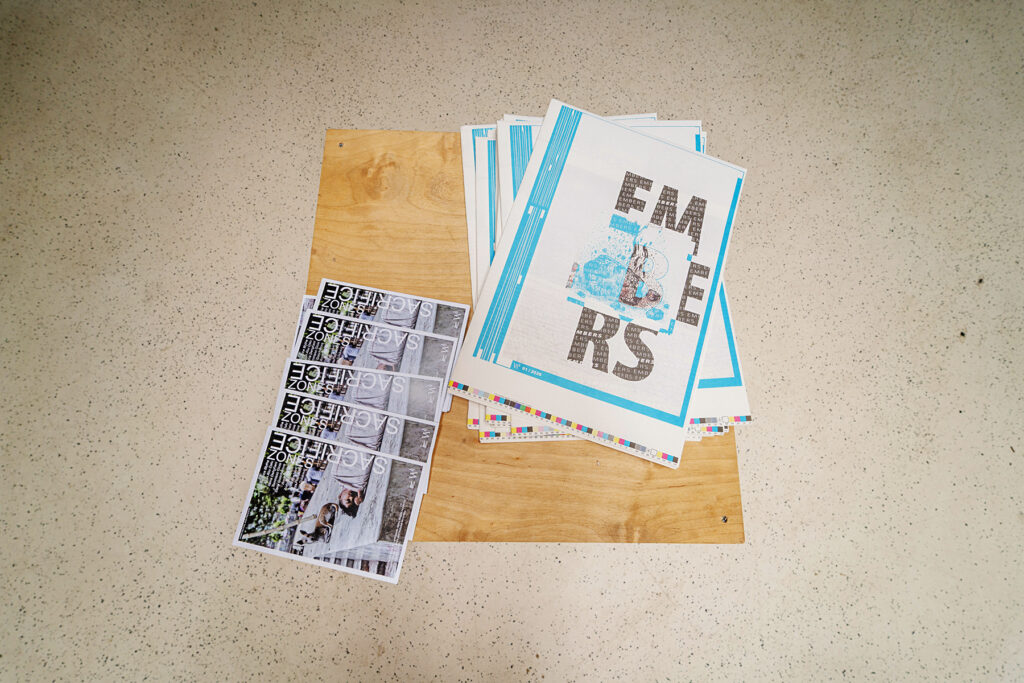
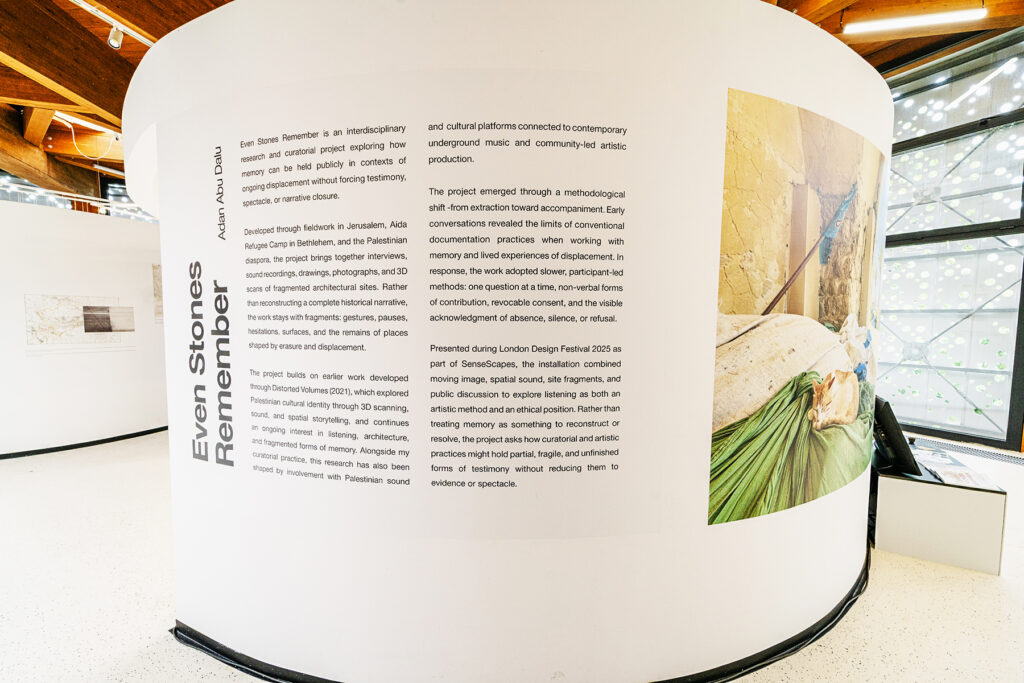
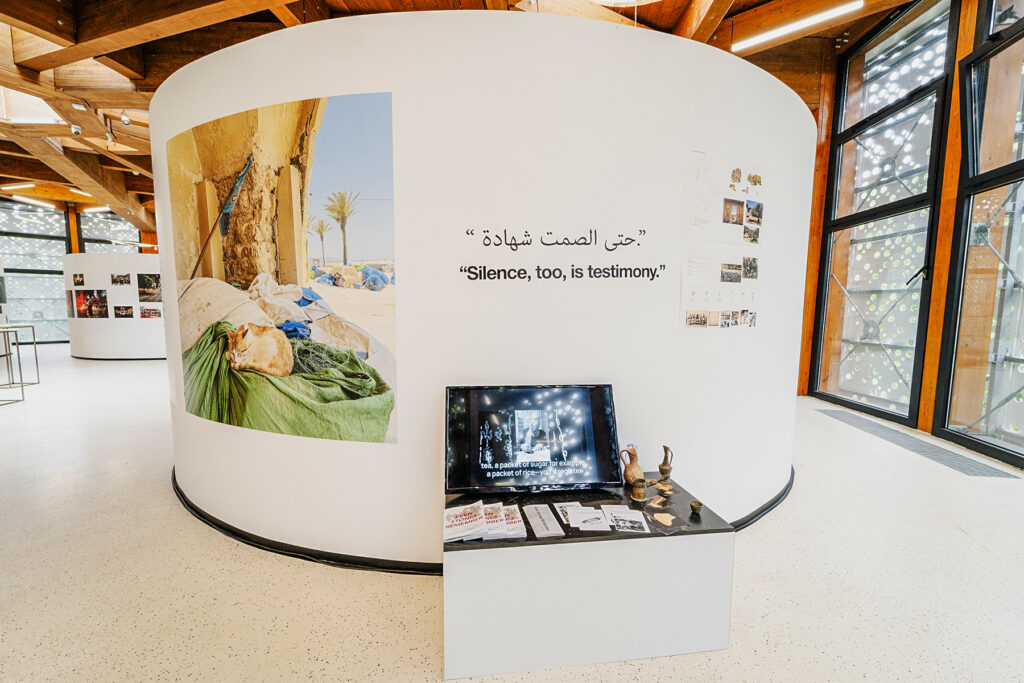
Sacrifice zones
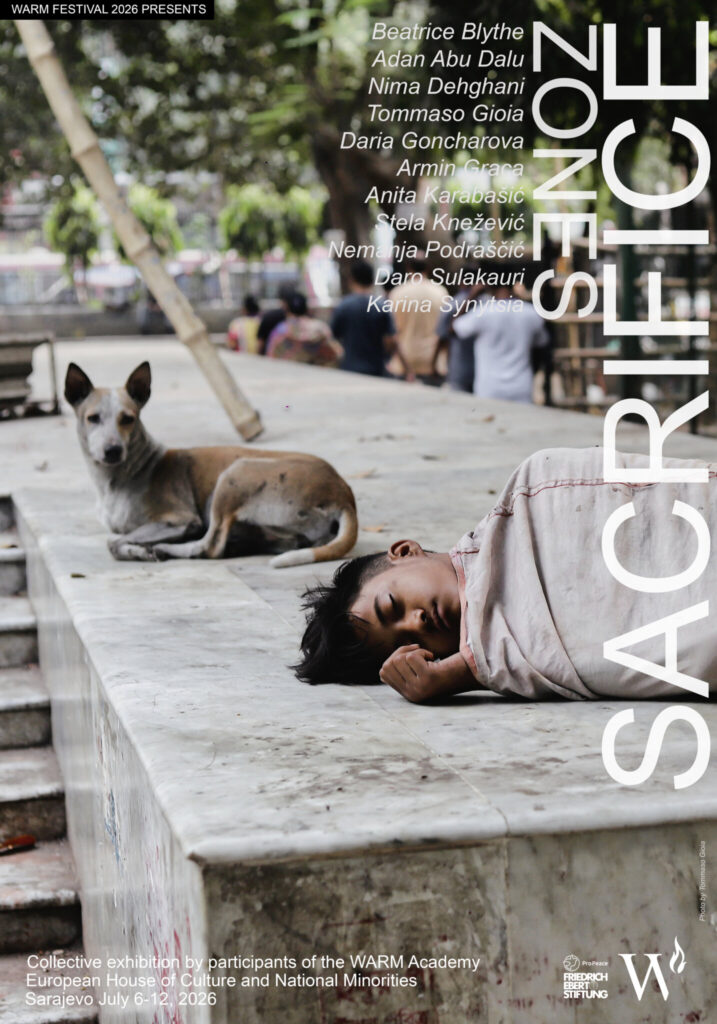
Collective exhibition by participants of the WARM Academy
European House of Culture and National Minorities
Sarajevo July 6-12, 2026
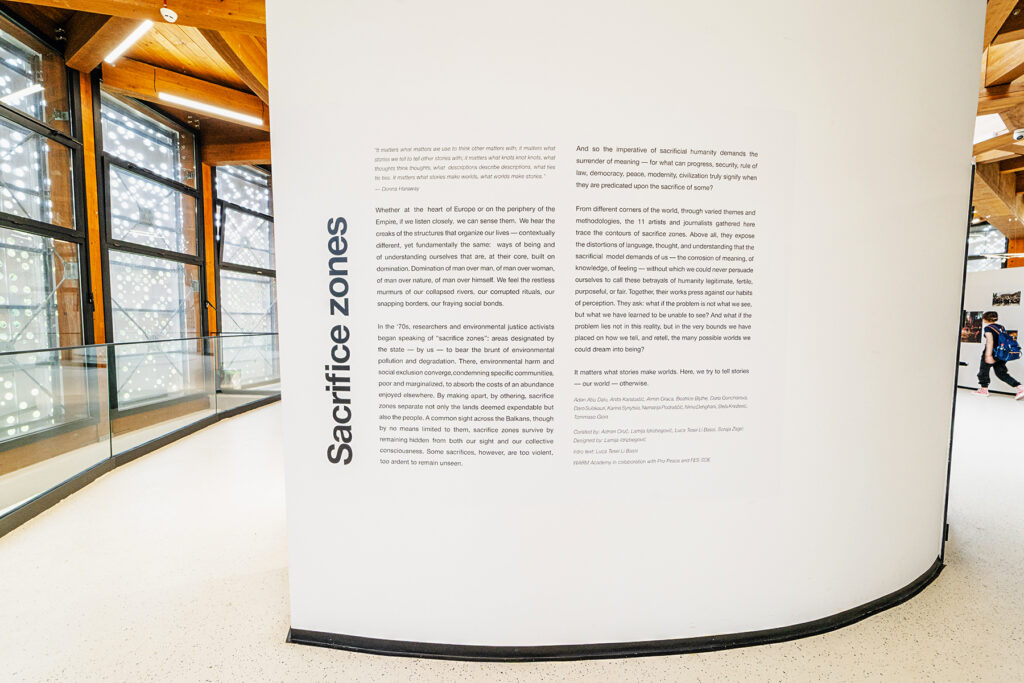
“It matters what matters we use to think other matters with; it matters what stories we tell to tell other stories with; it matters what knots knot knots, what thoughts think thoughts, what descriptions describe descriptions, what ties tie ties. It matters what stories make worlds, what worlds make stories.” — Donna Haraway
Whether at the heart of Europe or on the periphery of the Empire, if we listen closely, we can sense them. We hear the creaks of the structures that organize our lives — contextually different, yet fundamentally the same: ways of being and of understanding ourselves that are, at their core, built on domination. Domination of man over man, of man over woman, of man over nature, of man over himself. We feel the restless murmurs of our collapsed rivers, our corrupted rituals, our snapping borders, our fraying social bonds.
In the ‘70s, researchers and environmental justice activists began speaking of “sacrifice zones”: areas designated by the state — by us — to bear the brunt of environmental pollution and degradation. There, environmental harm and social exclusion converge, condemning specific communities, poor and marginalized, to absorb the costs of an abundance enjoyed elsewhere. By making apart, by othering, sacrifice zones separate not only the lands deemed expendable but also the people. A common sight across the Balkans, though by no means limited to them, sacrifice zones survive by remaining hidden from both our sight and our collective consciousness. Some sacrifices, however, are too violent, too ardent to remain unseen. And so the imperative of sacrificial humanity demands the surrender of meaning — for what can progress, security, rule of law, democracy, peace, modernity, civilization truly signify when they are predicated upon the sacrifice of some?
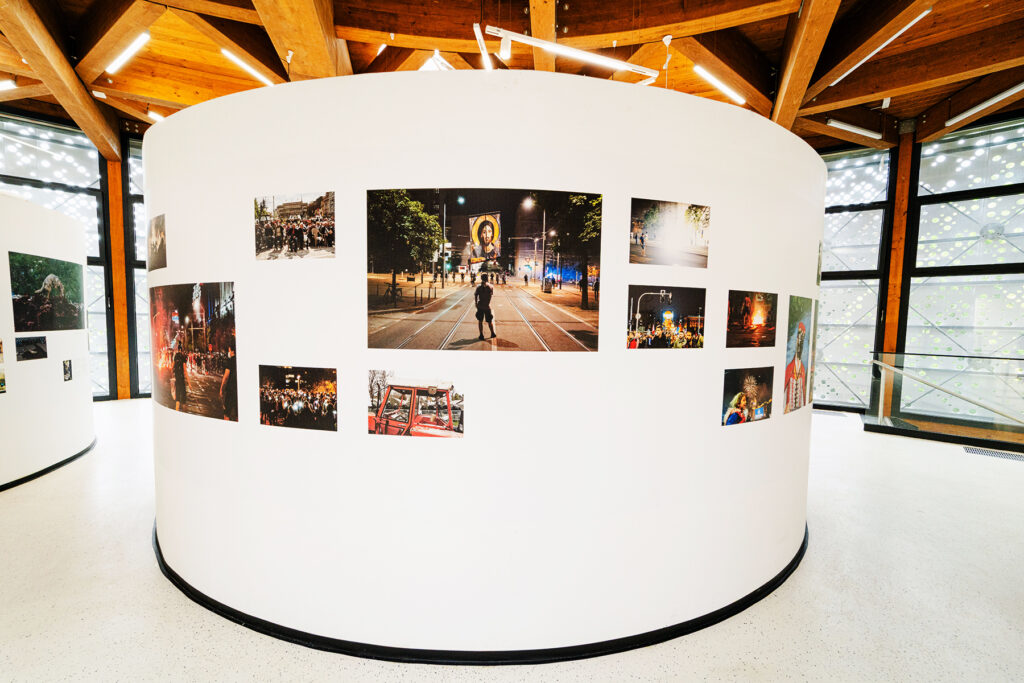
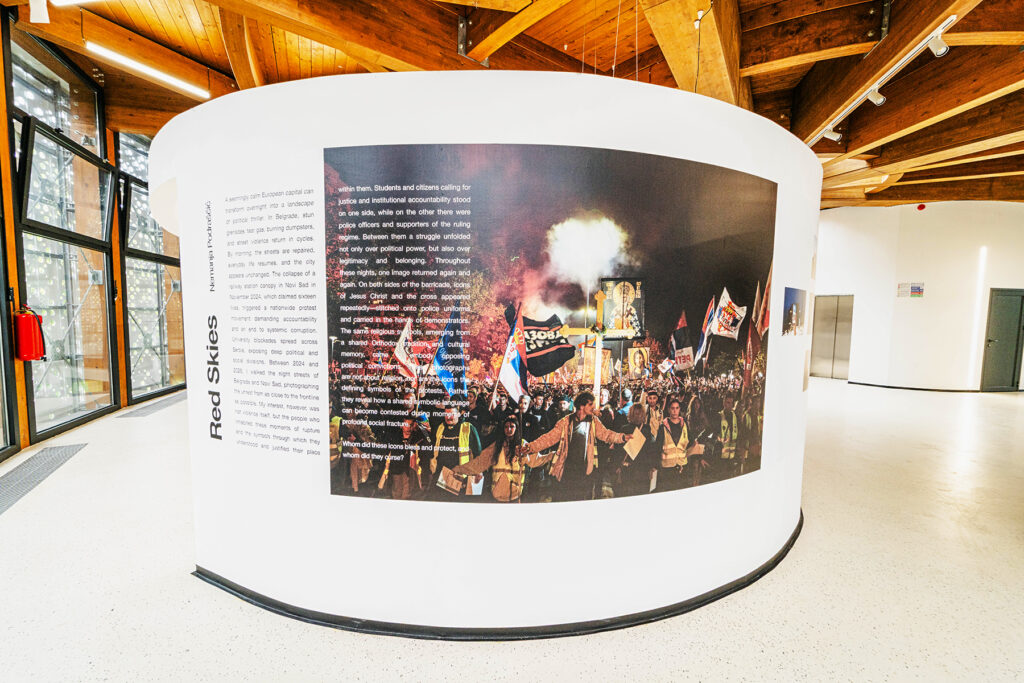
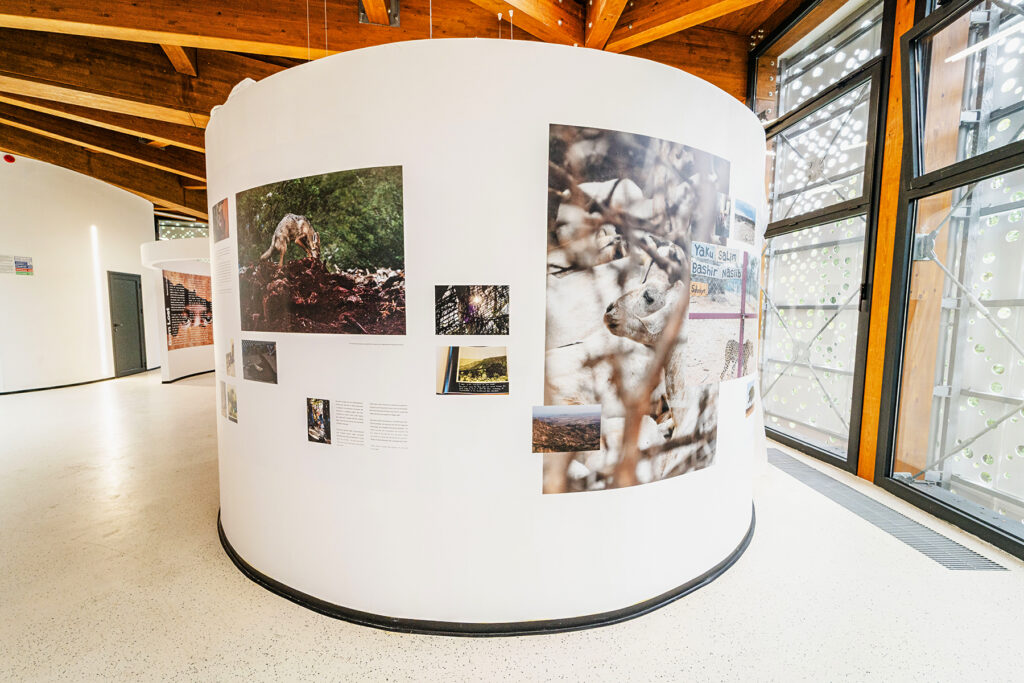
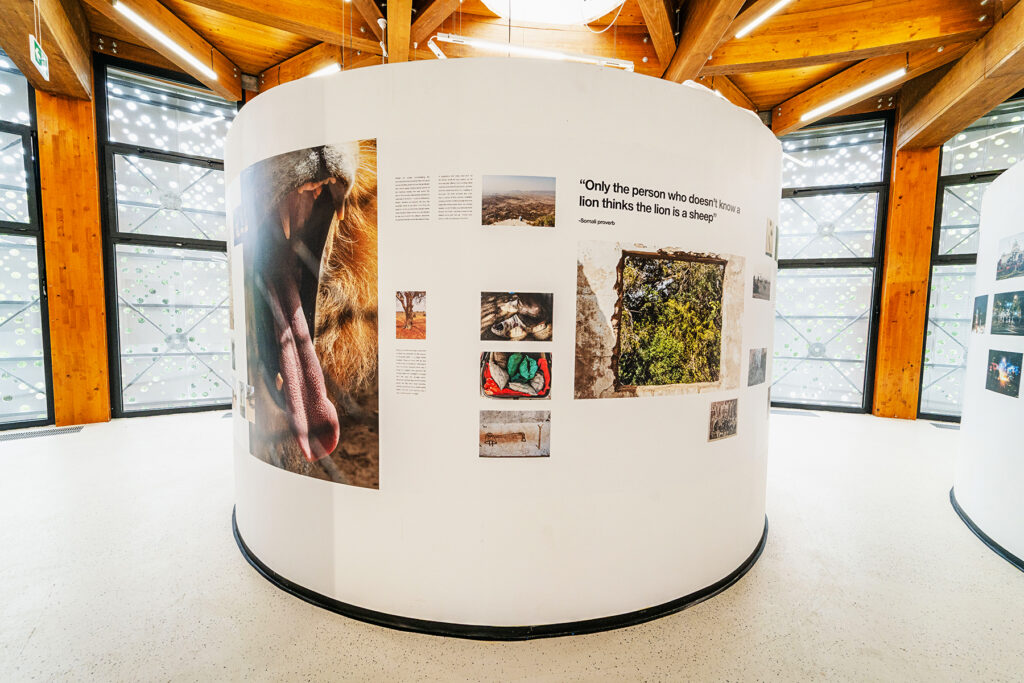
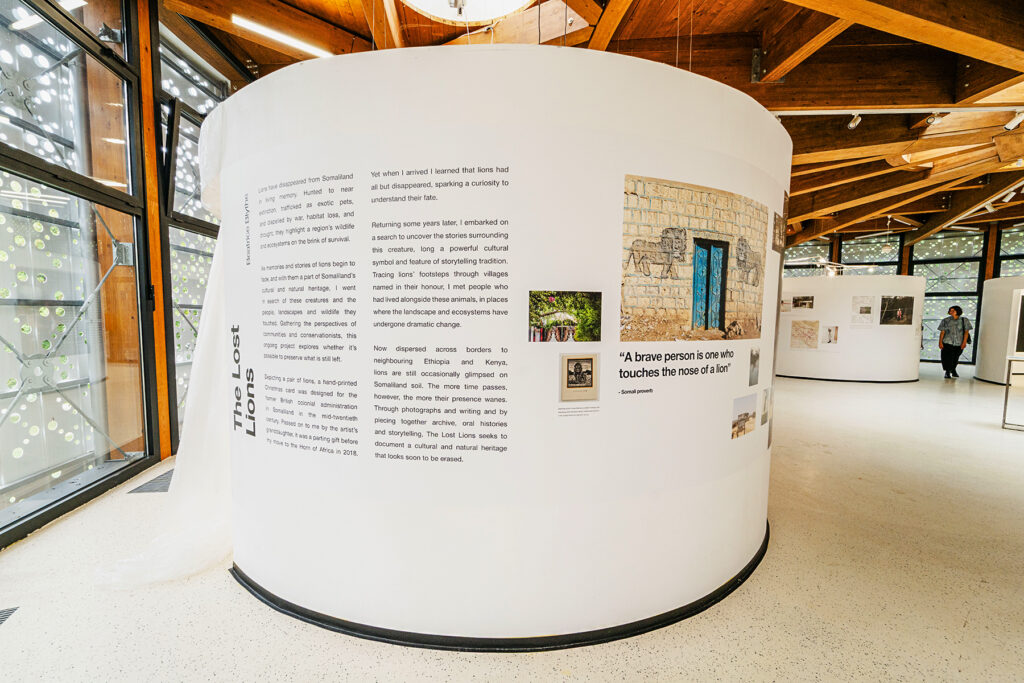
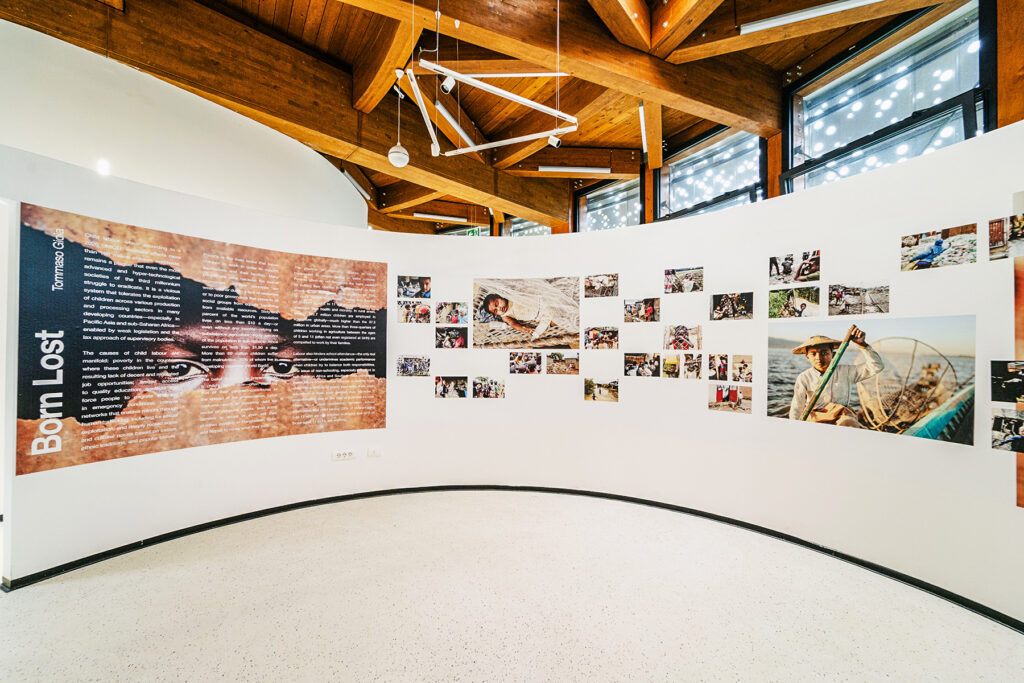
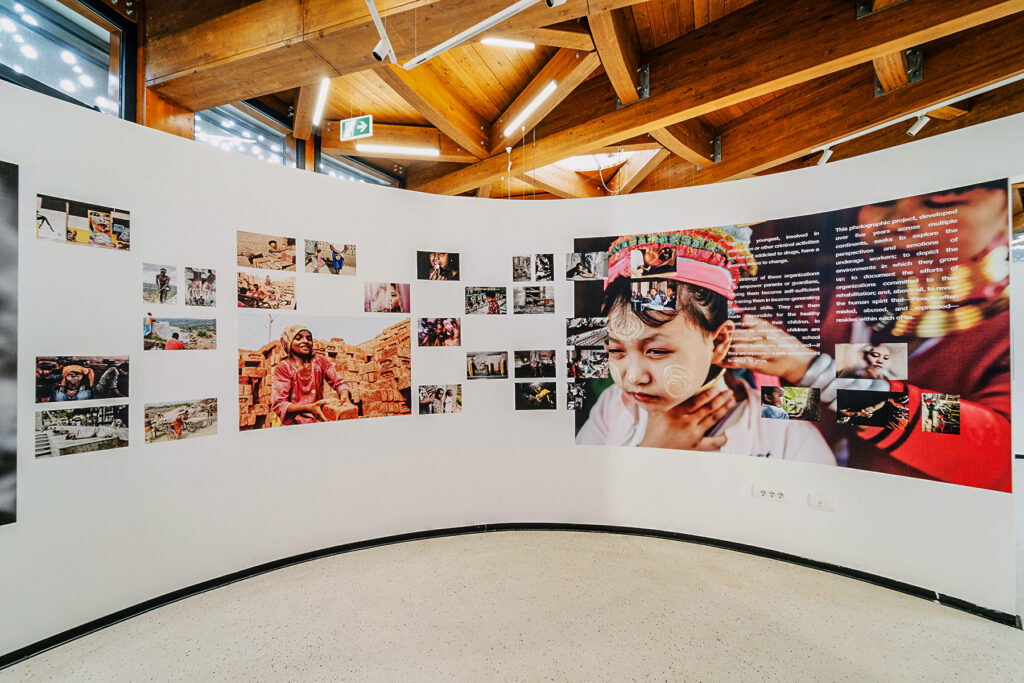
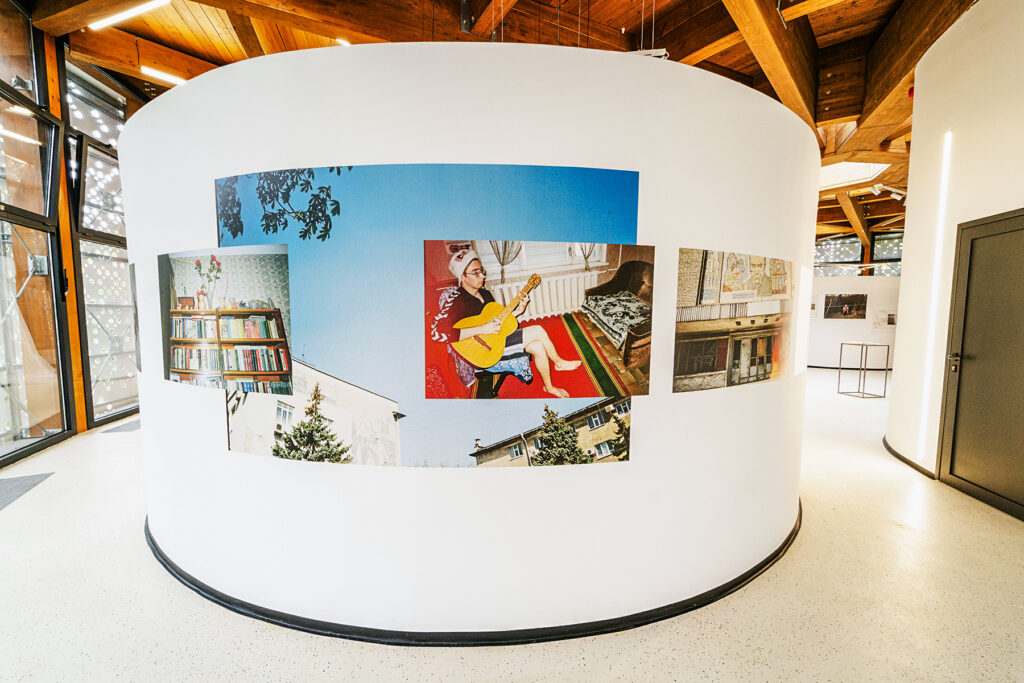
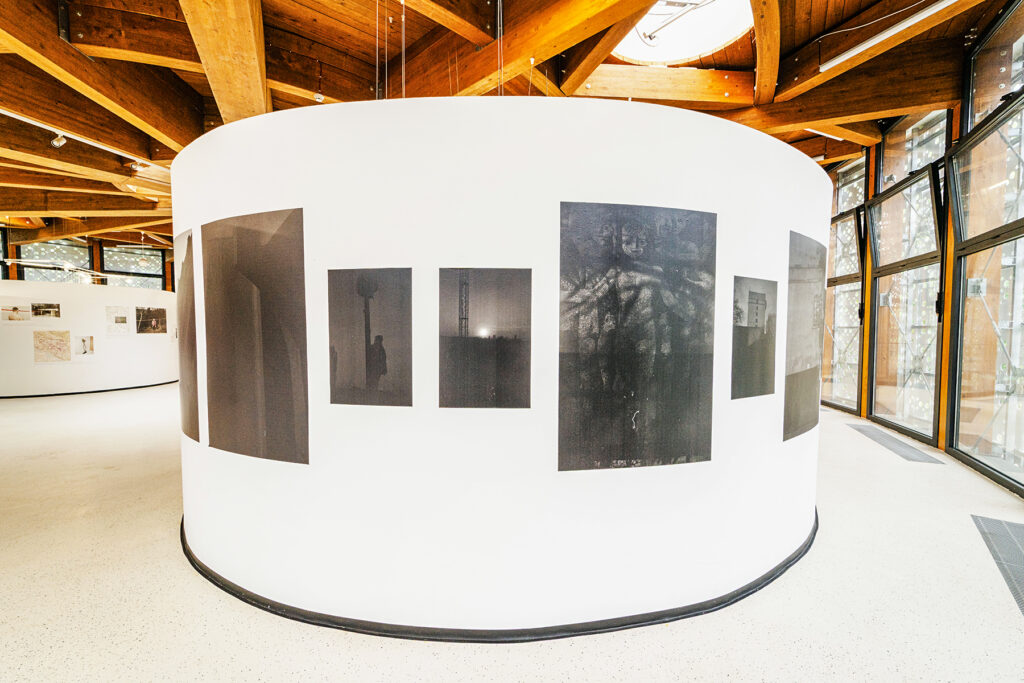
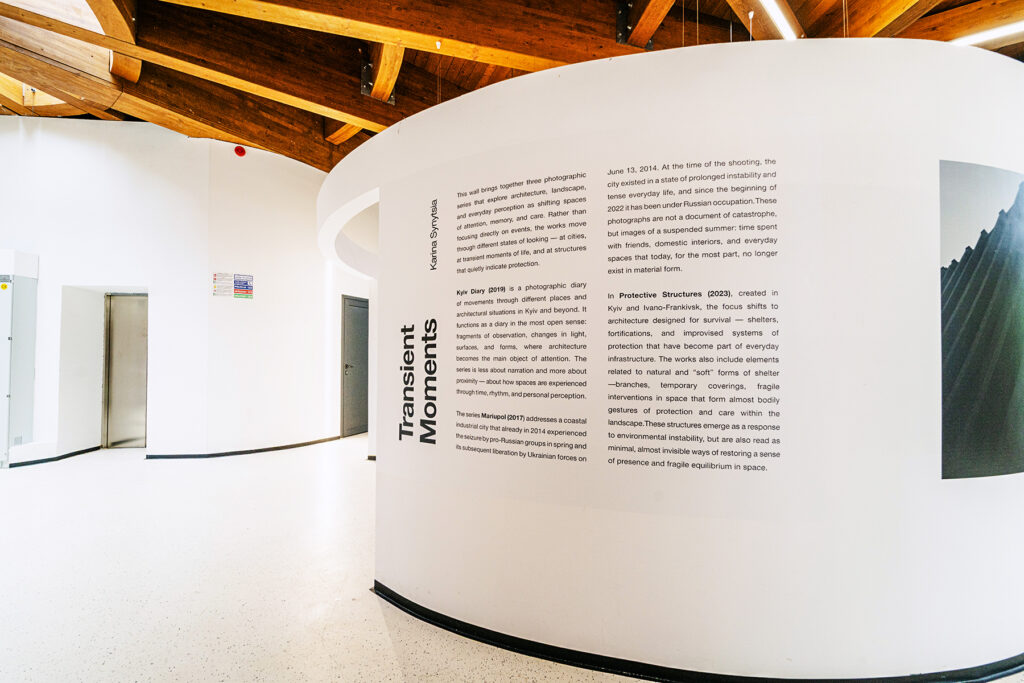
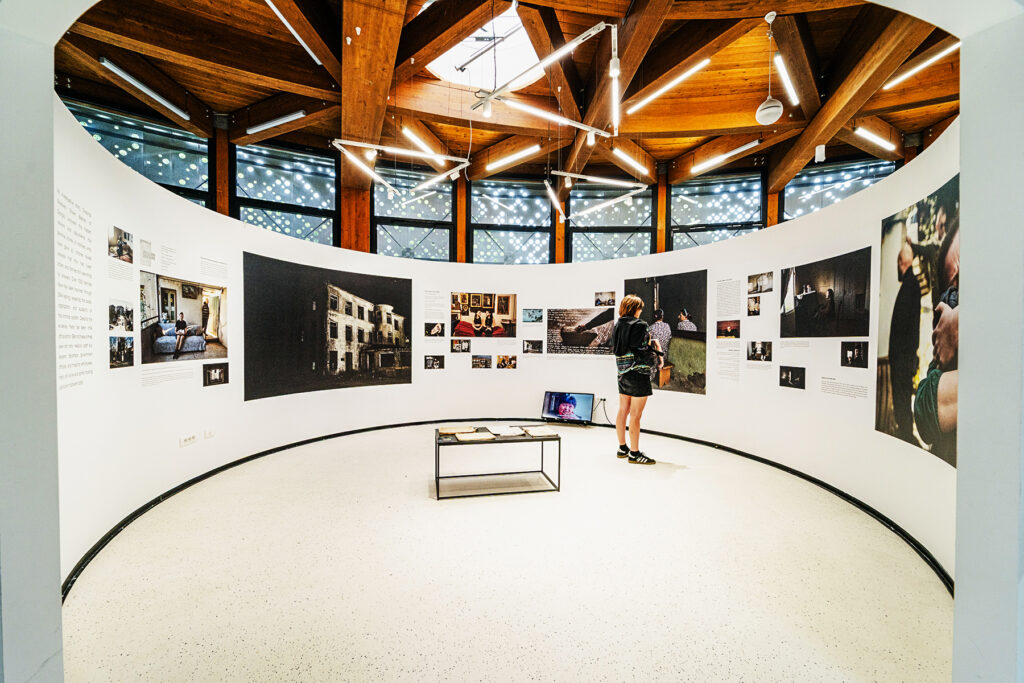
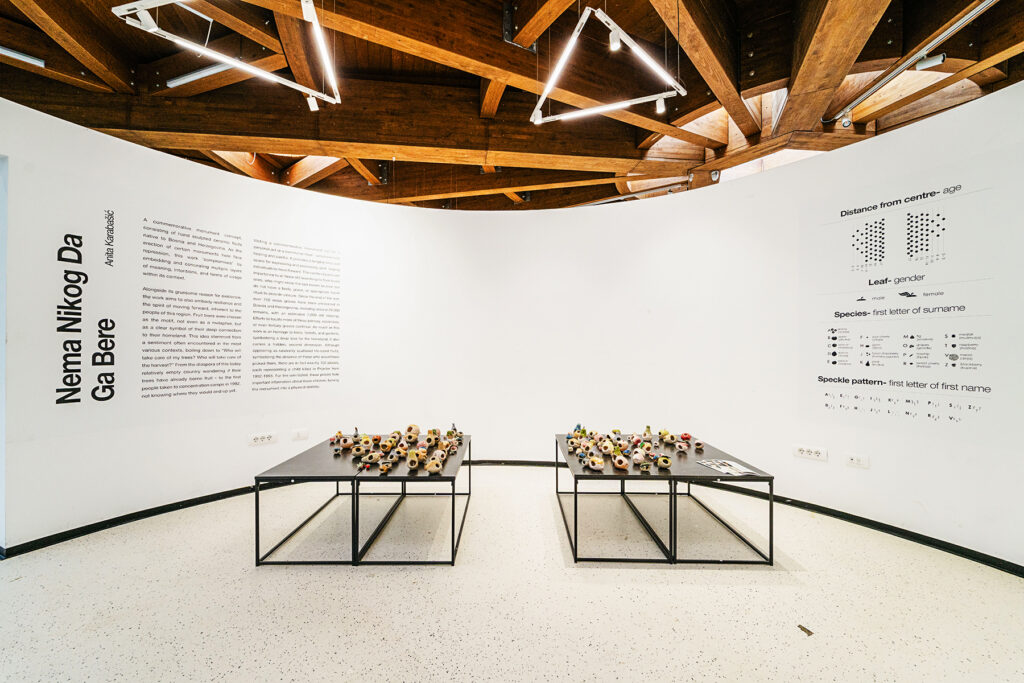
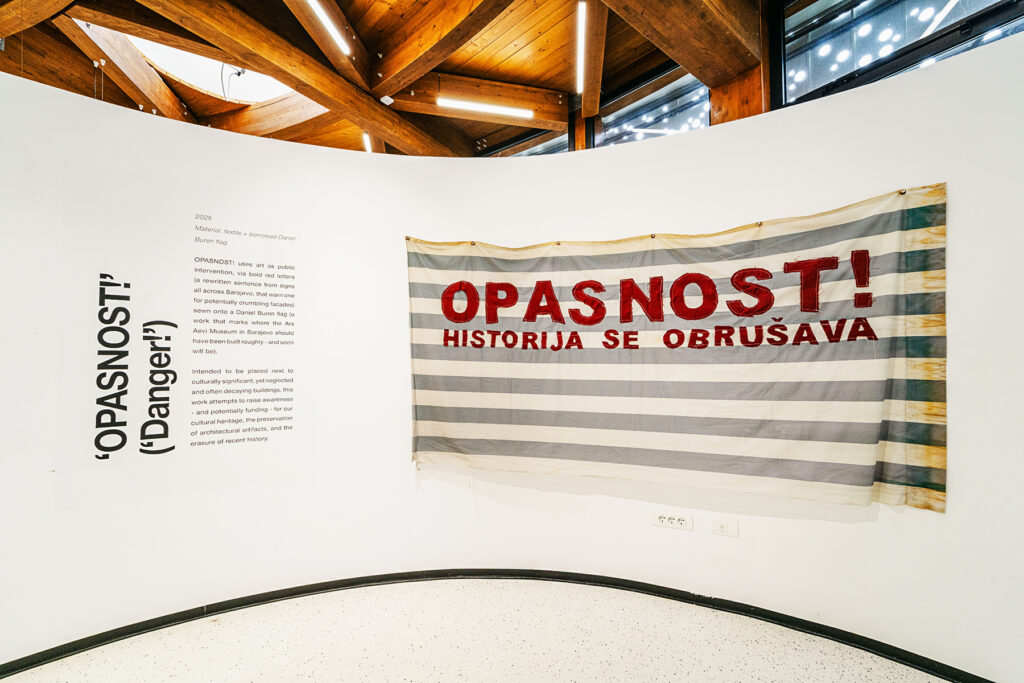
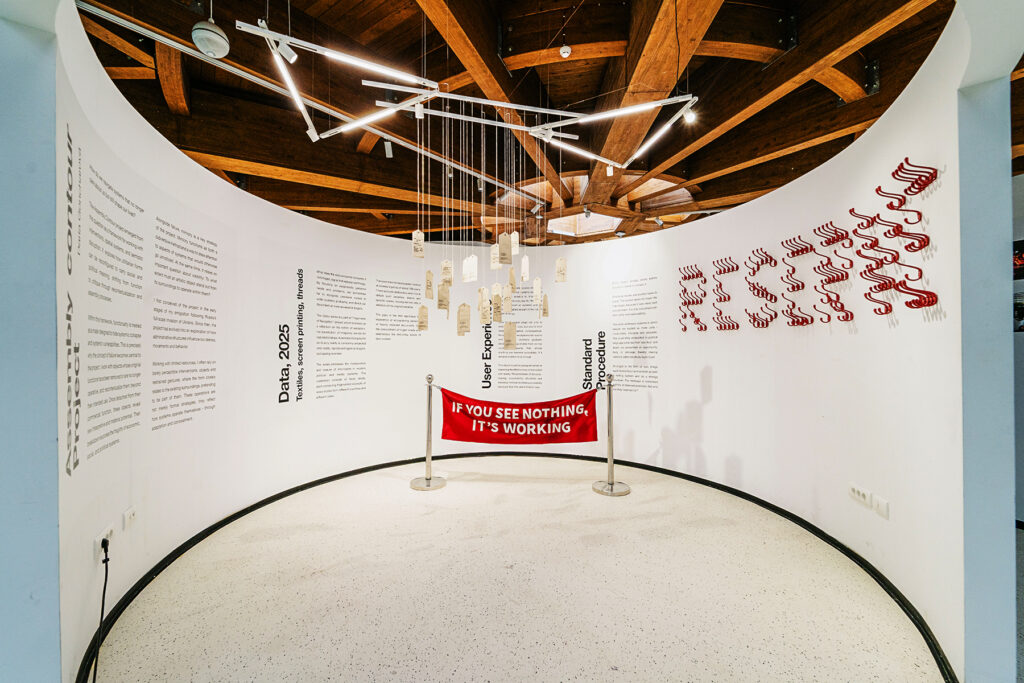
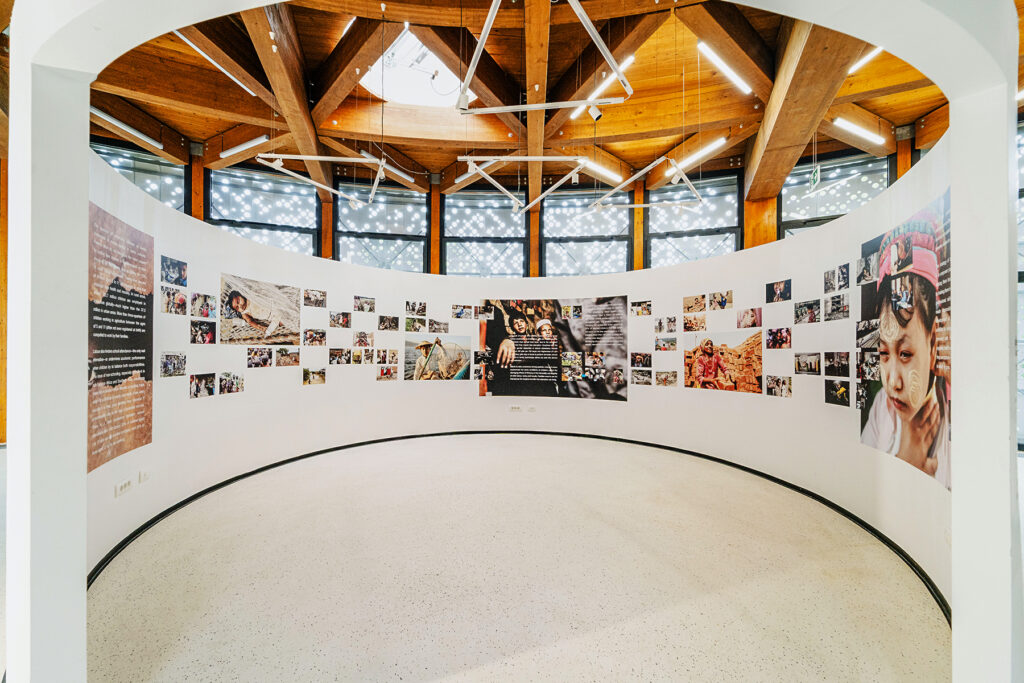
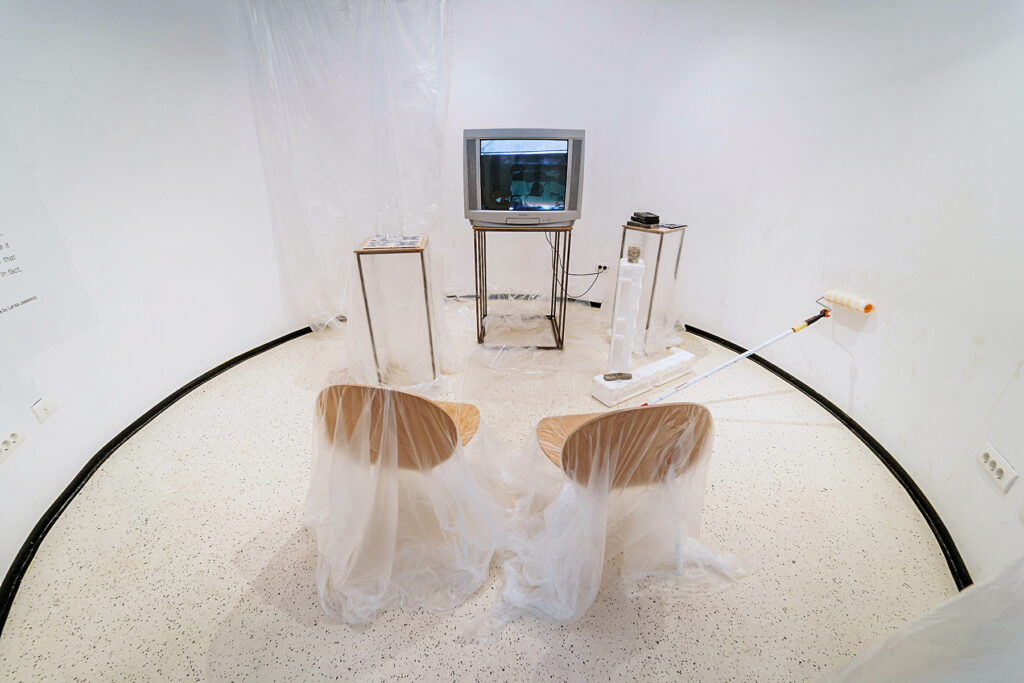
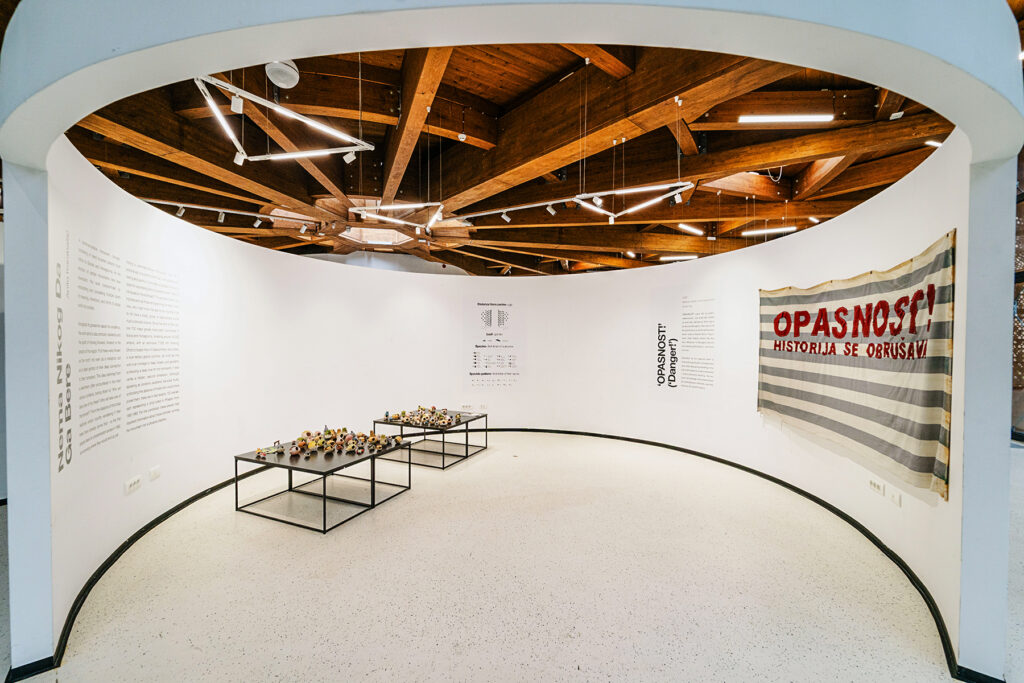
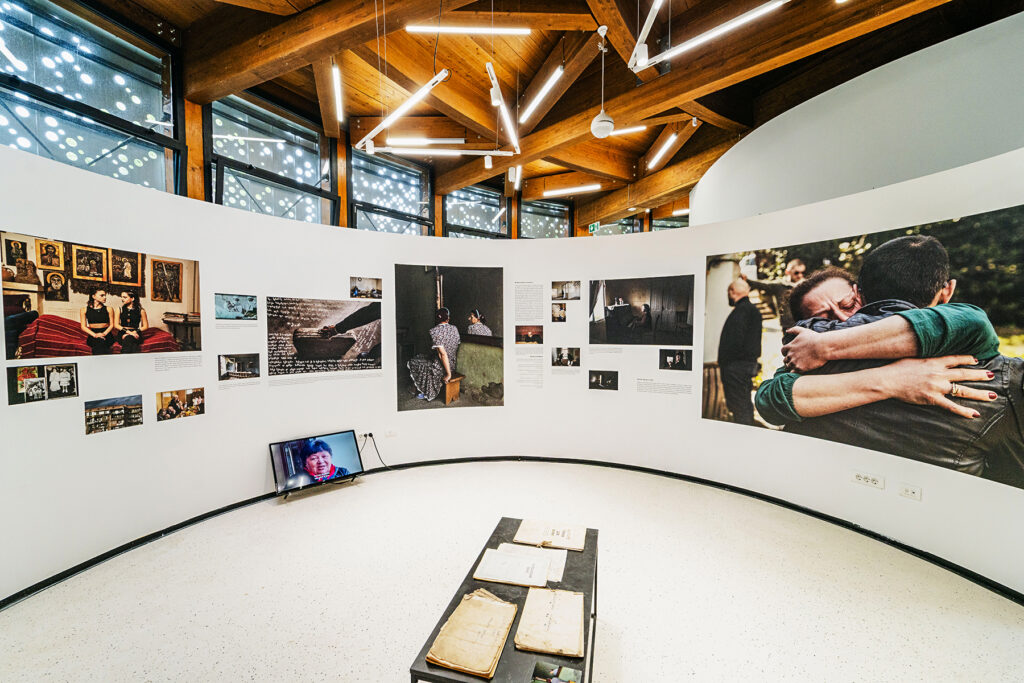
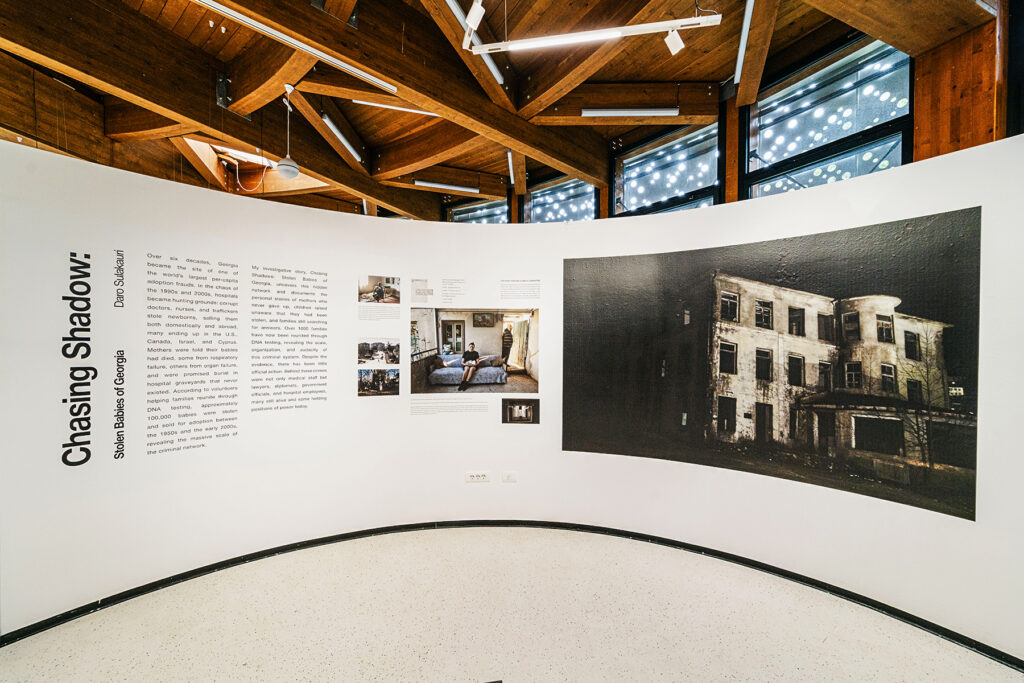
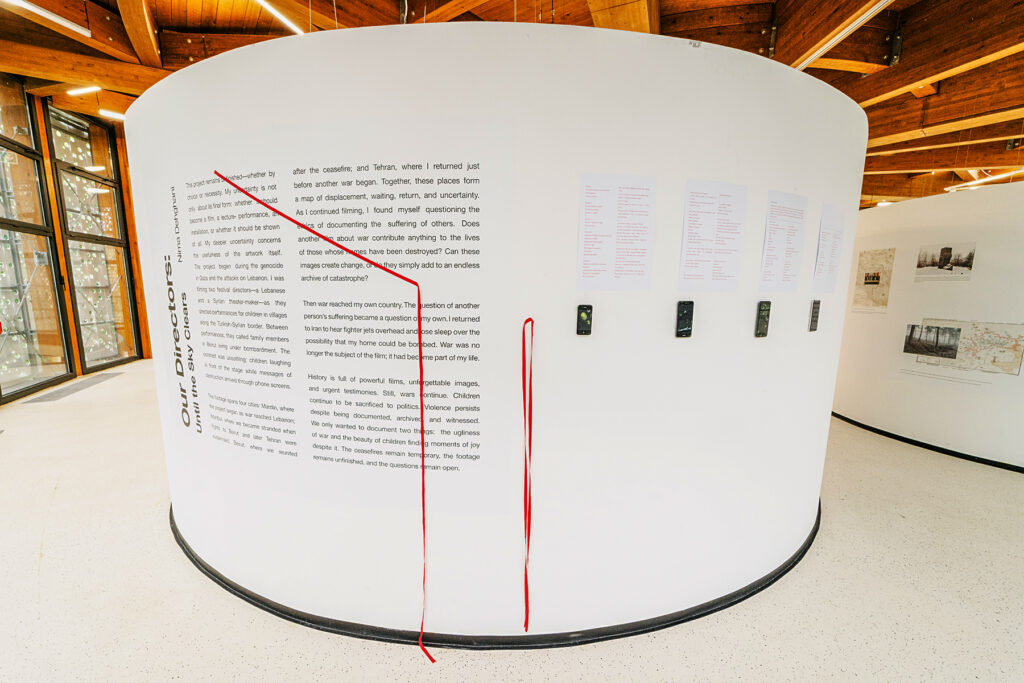
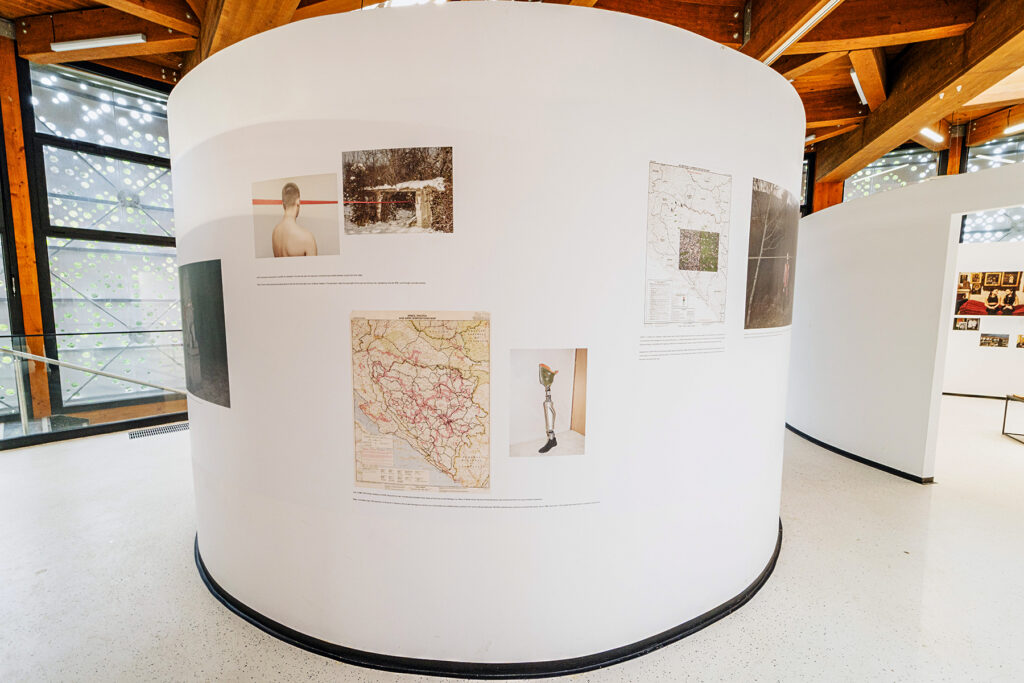
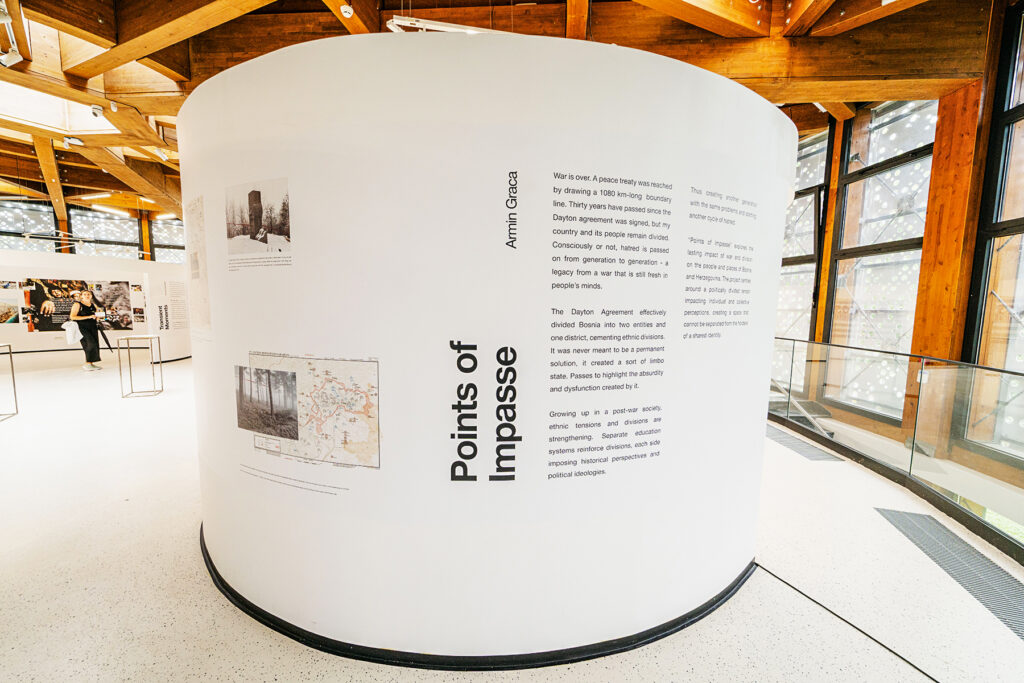
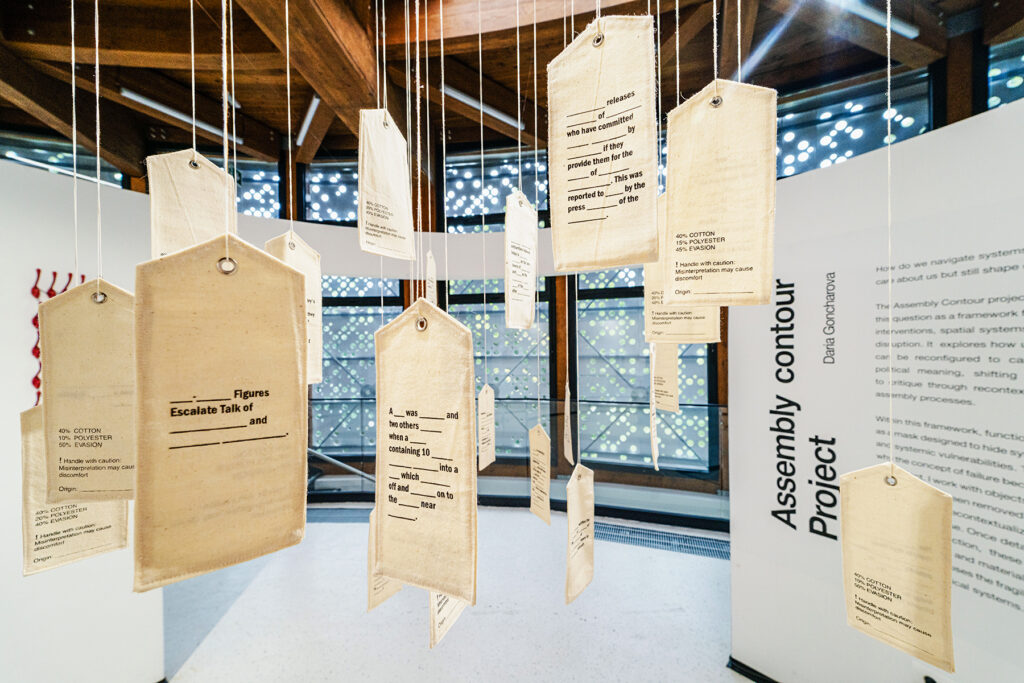
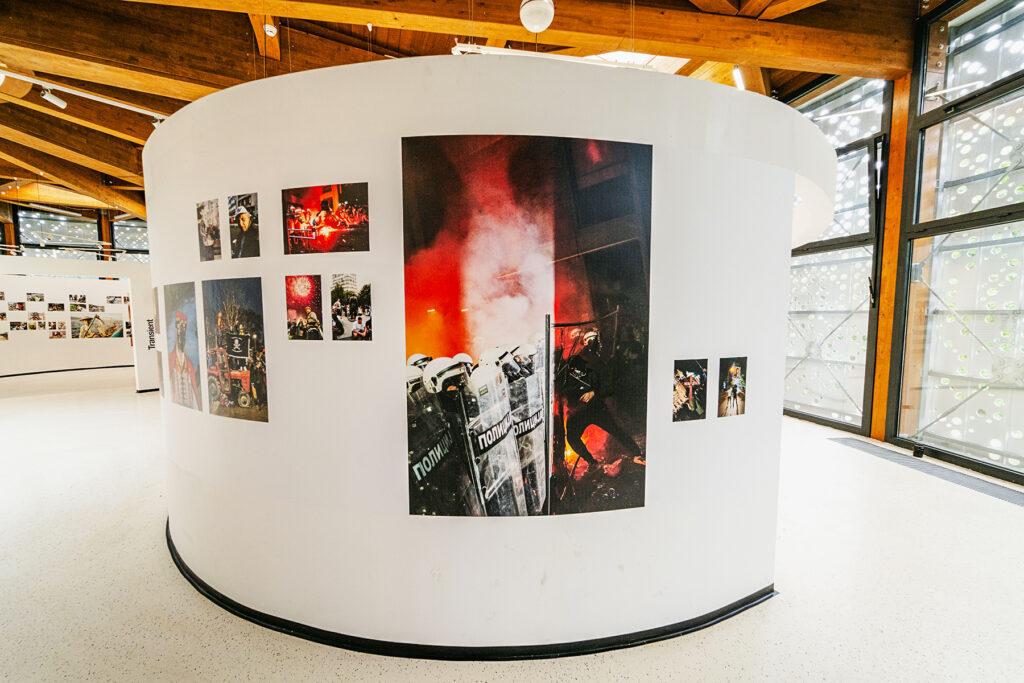
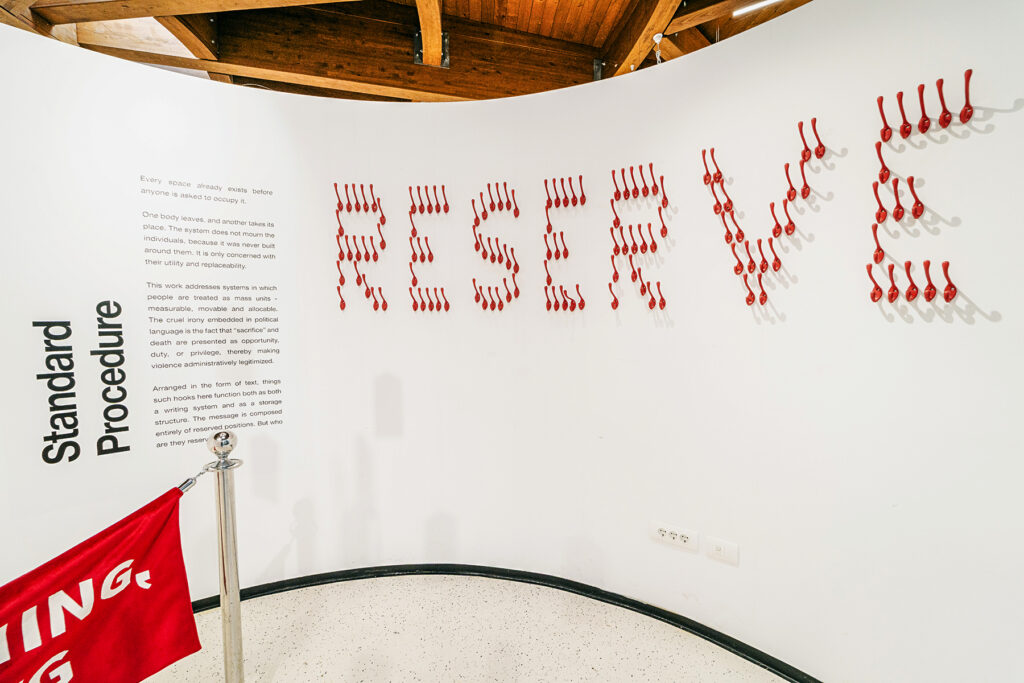
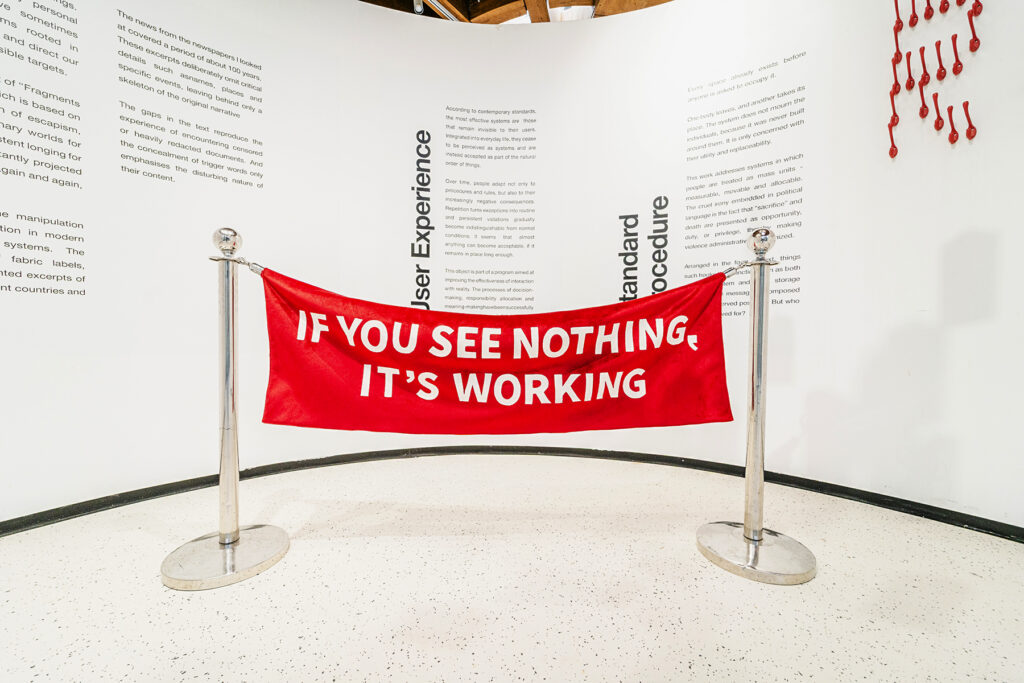
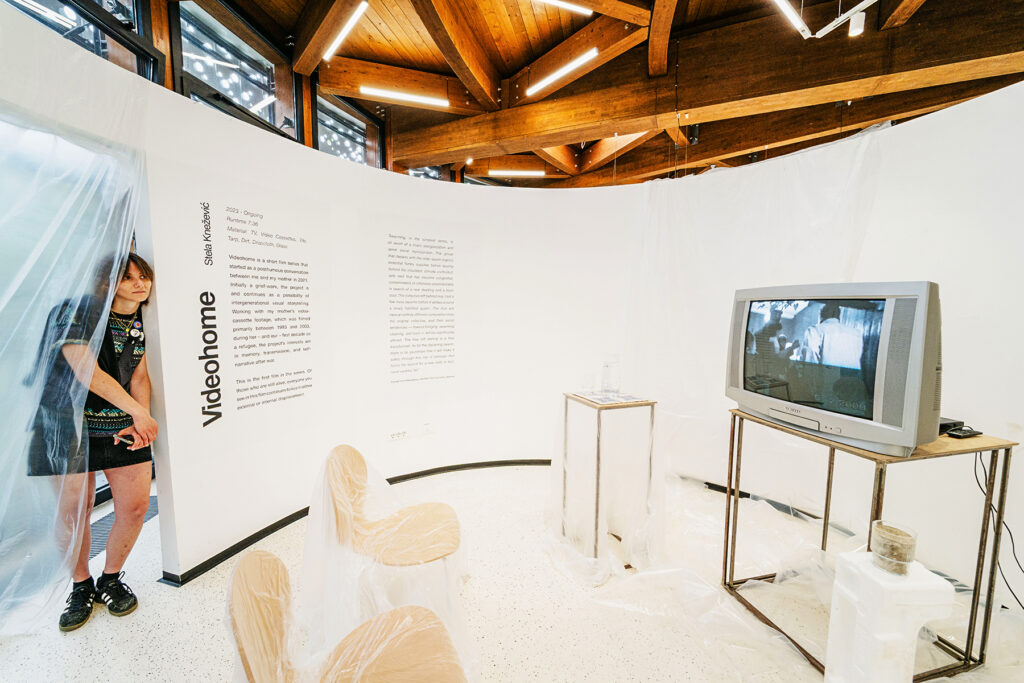
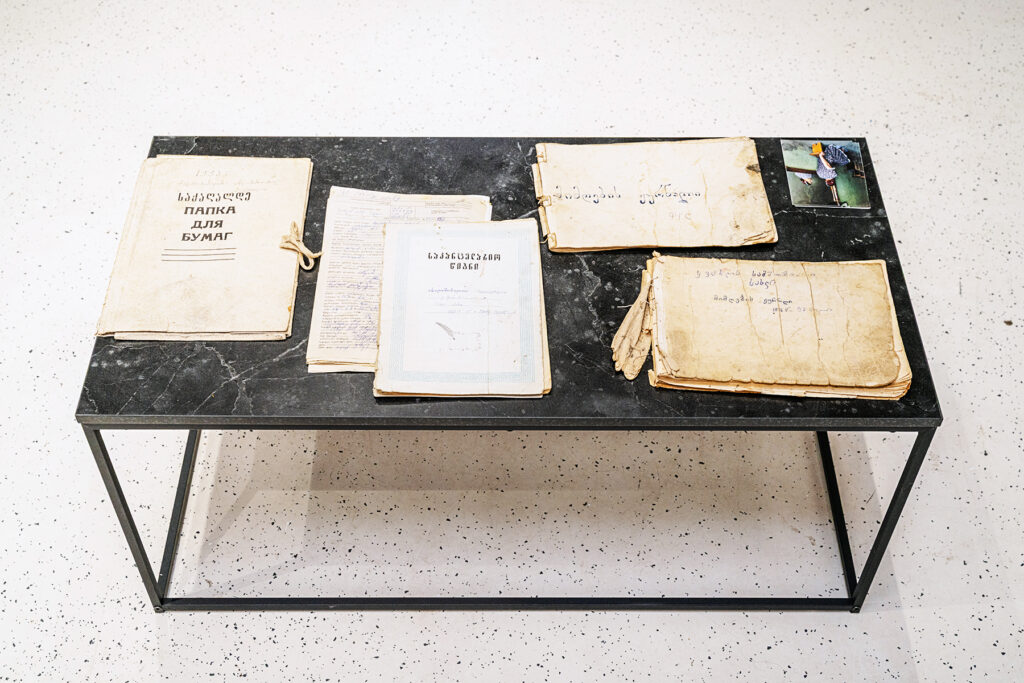
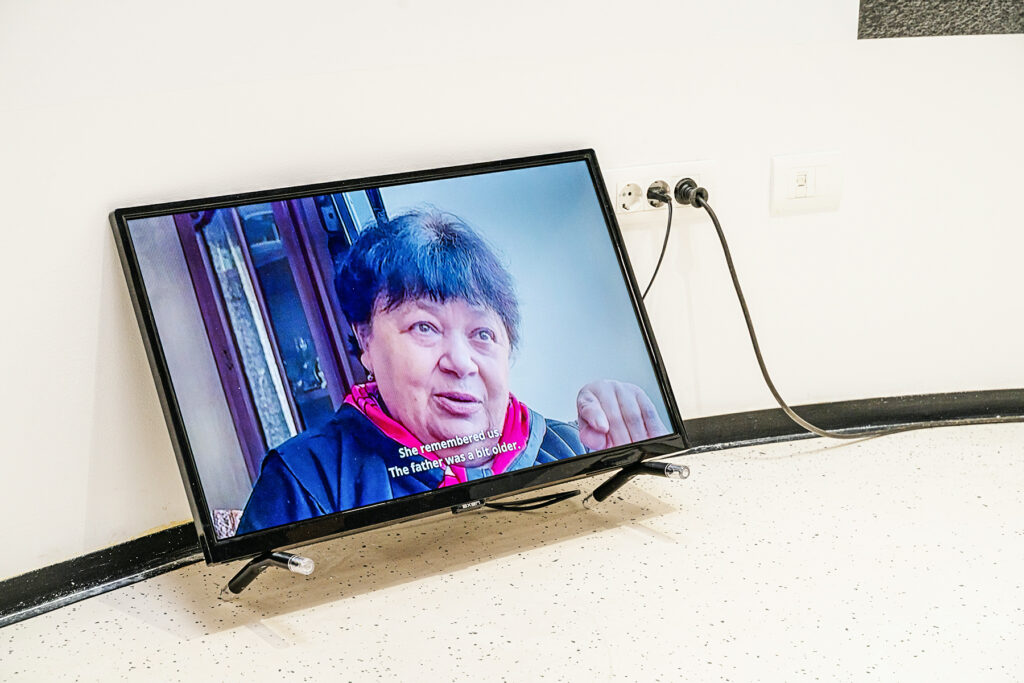
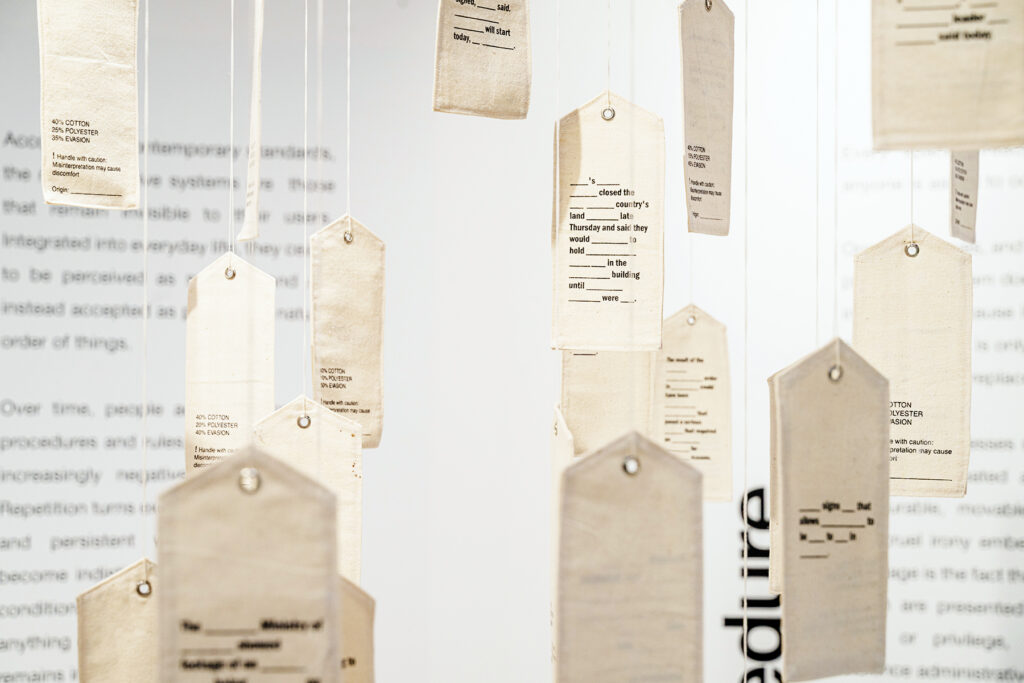
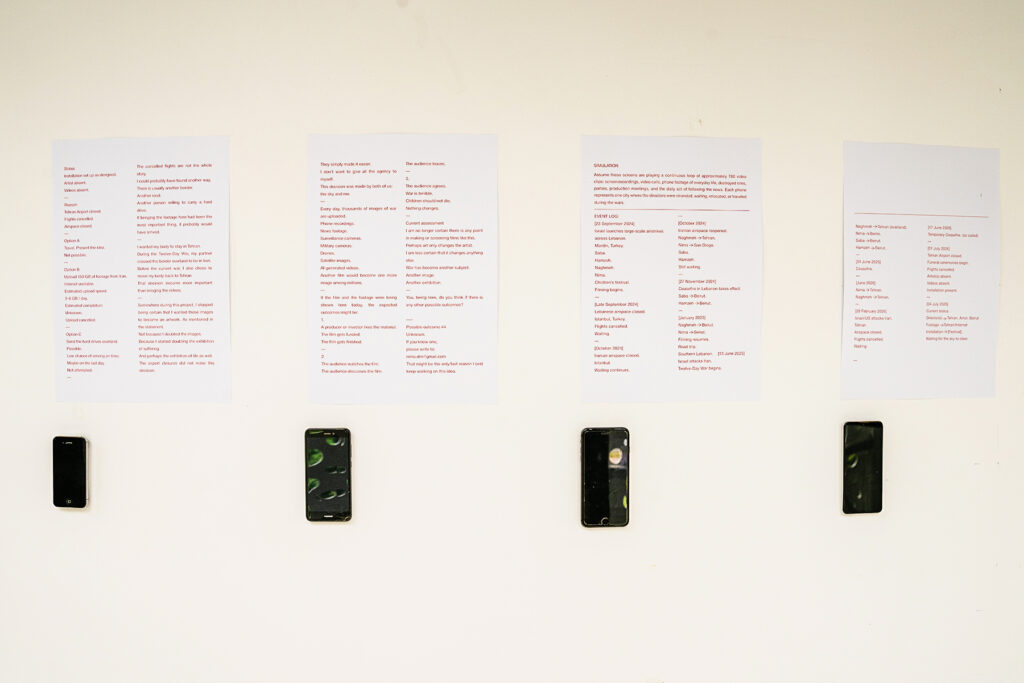
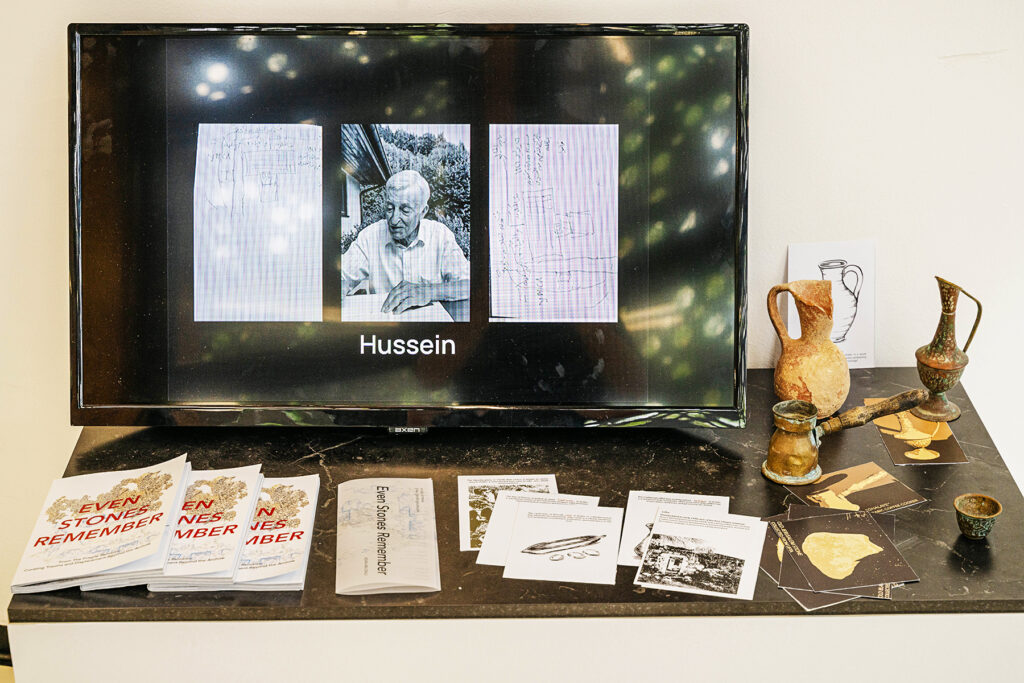
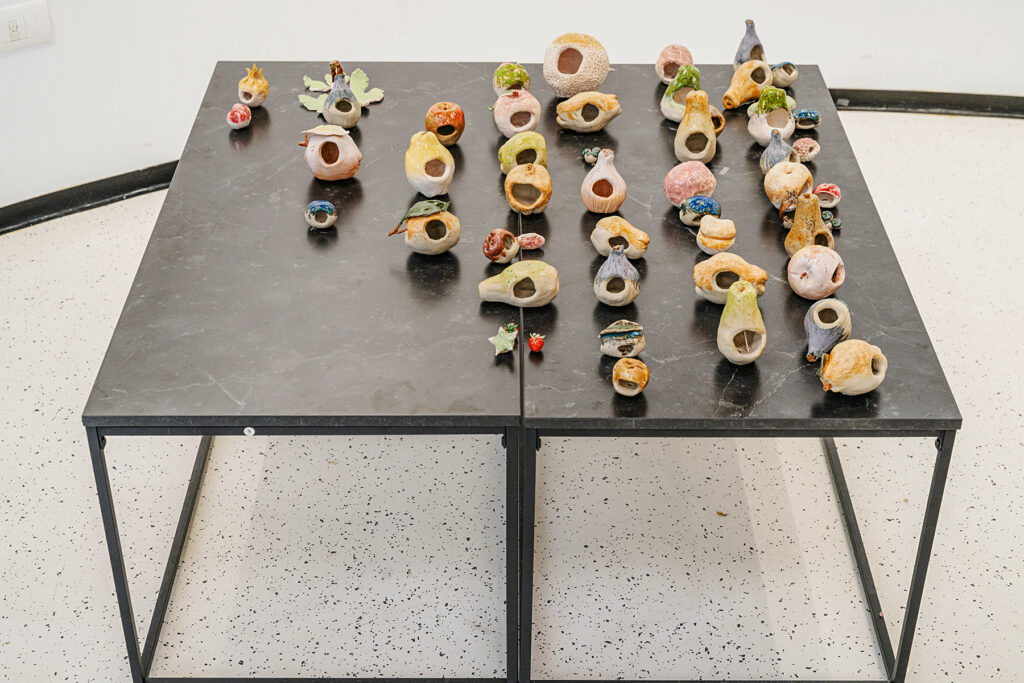
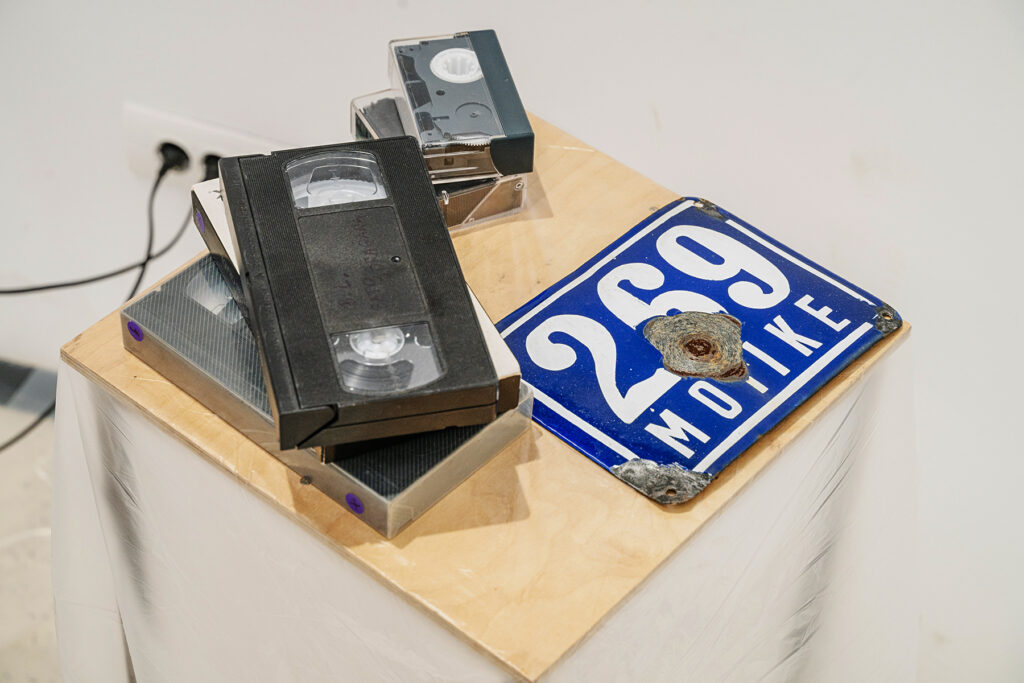
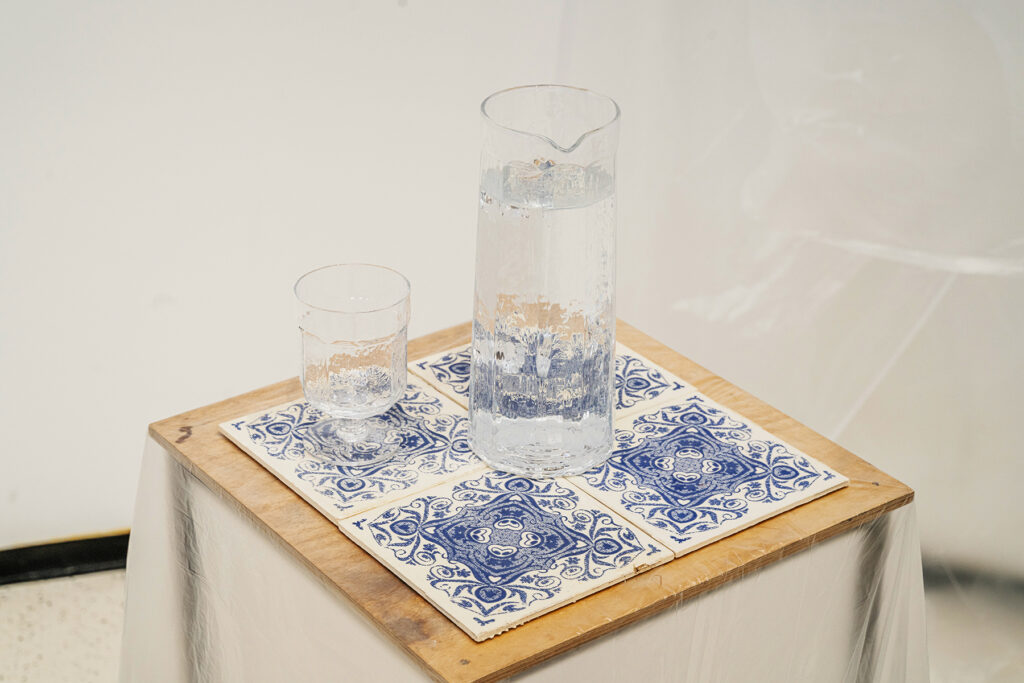
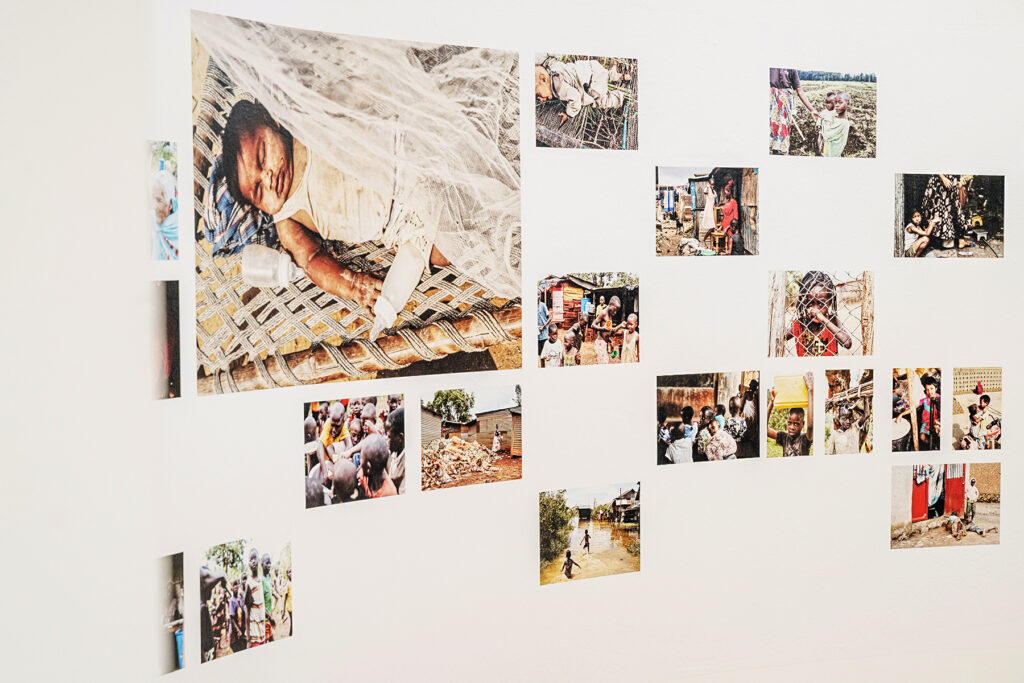
From different corners of the world, through varied themes and methodologies, the 11 artists and journalists gathered here trace the contours of sacrifice zones. Above all, they expose the distortions of language, thought, and understanding that the sacrificial model demands of us — the corrosion of meaning, of knowledge, of feeling — without which we could never persuade ourselves to call these betrayals of humanity legitimate, fertile, purposeful, or fair. Together, their works press against our habits of perception. They ask: what if the problem is not what we see, but what we have learned to be unable to see? And what if the problem lies not in this reality, but in the very bounds we have placed on how we tell, and retell, the many possible worlds we could dream into being?
It matters what stories make worlds. Here, we try to tell stories — our world — otherwise.
Adan Abu Dalu, Anita Karabašić, Armin Graca, Beatrice Blythe, Daria Goncharova, Daro Sulakauri, Karina Synytsia, Nemanja Podraščić, Nima Dehghani, Stela Knežević, Tommaso Gioia
Curated by: Adnan Oruč, Lamija Idrizbegović, Luca Tesei Li Bassi, Soraja Zagić
Designed by: Lamija Idrizbegović
Intro text: Luca Tesei Li Bassi
WARM Academy in collaboration with Pro Peace and FES-SOE