
SCARS
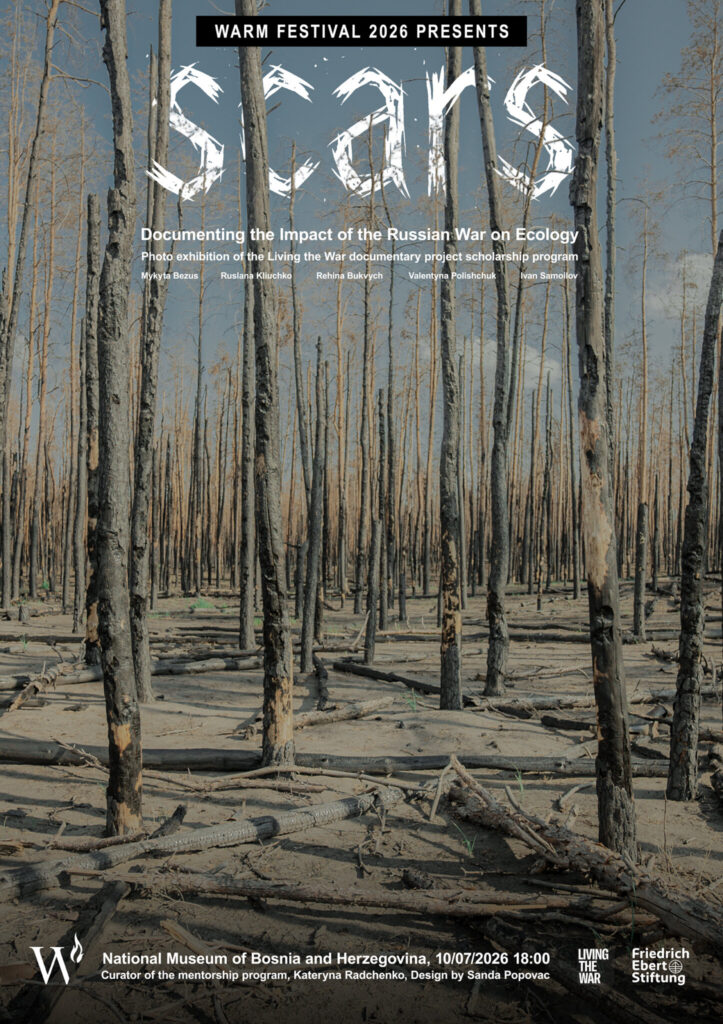
Documenting the Impact of the Russian War on Ecology.
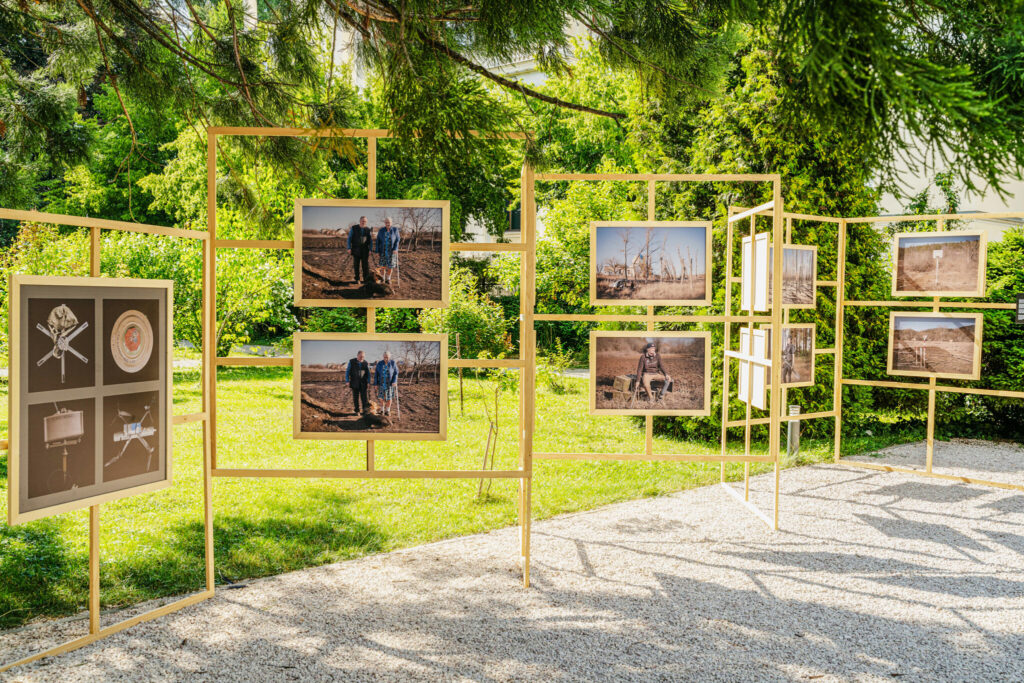
Photo exhibition of the Living the War documentary project scholarship programIn partership with FES-SOE
Designed by Sanda Popovac
National Museum of Bosnia and Herzegovina, July 10, 2026 at 18:00.
Living the War is an independent documentary project founded in Kyiv after the beginning of Russia’s full-scale invasion. The project aims to document human experience and preserve memory through personal stories and photographic testimony.
The exhibition is the result of a scholarship programme for young photographers initiated by the Living the War project in the spring of 2025. Six photographers were selected from 150 applicants and spent four months developing their own projects with the support of mentors Mykhaylo Palinchak, Sasha Kurmaz, Elena Subach, and curator Kateryna Radchenko.
The participating photographers are Mykyta Bezus, Ivan Samoilov, Valya Polishchuk, Ruslana Kliuchko, and Rehina Bukvych. During the research phase, the sixth participant, Mykyta Abramov, was mobilised into the Armed Forces of Ukraine. He is currently serving in the 154th Separate Mechanized Brigade.
The scholarship programme is supported by the International Renaissance Foundation. The exhibition was organised with the support of Nova Ukraine in cooperation with the M. M. Hryshko National Botanical Garden.
SCARS
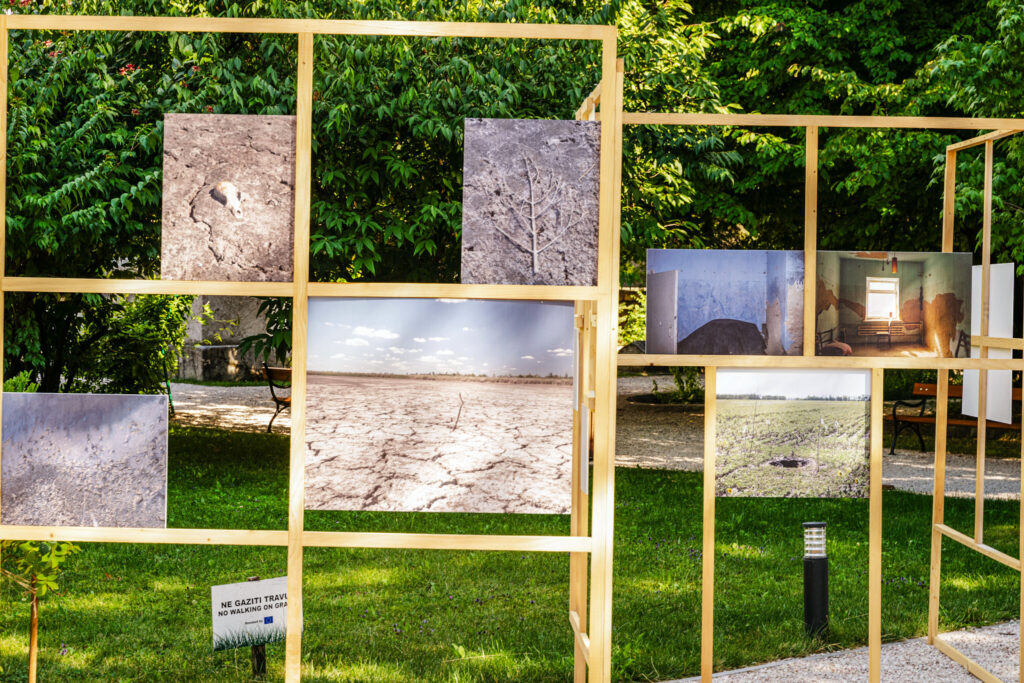
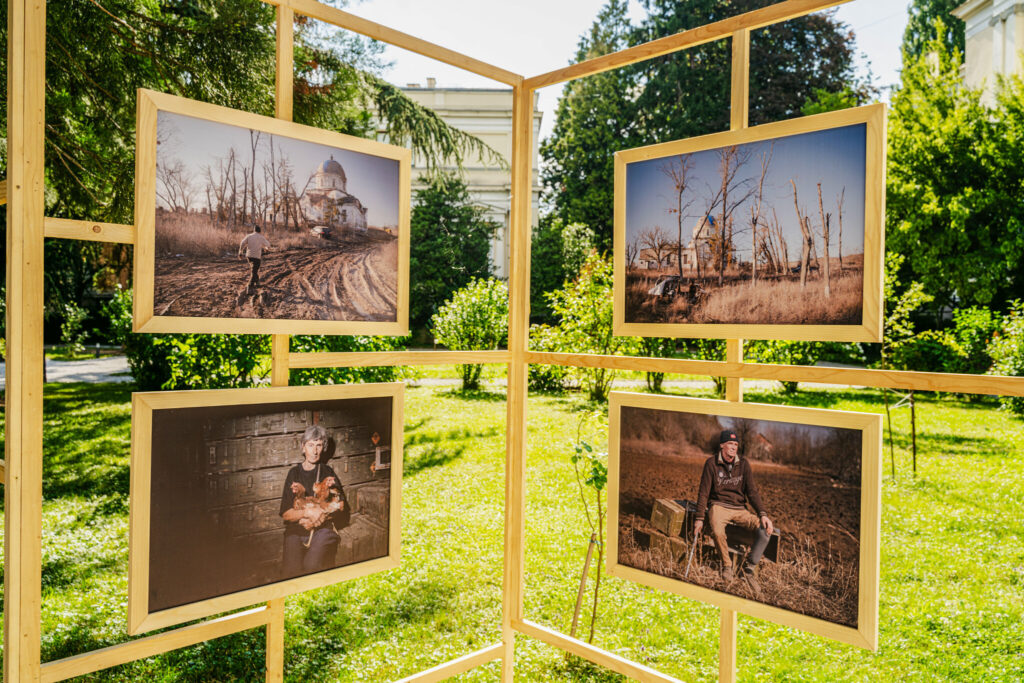
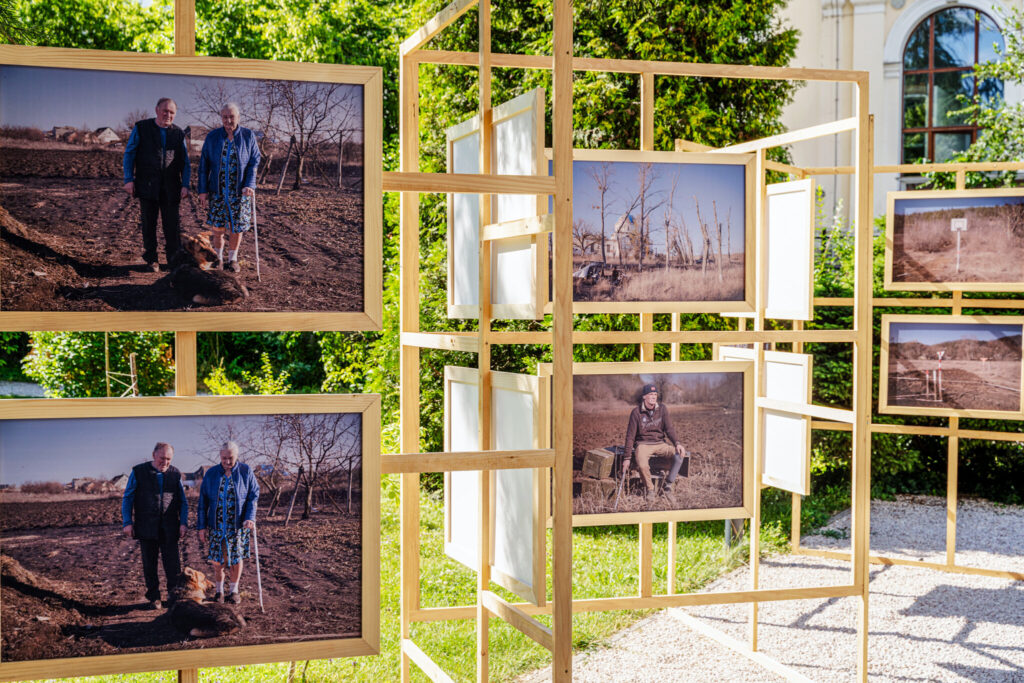
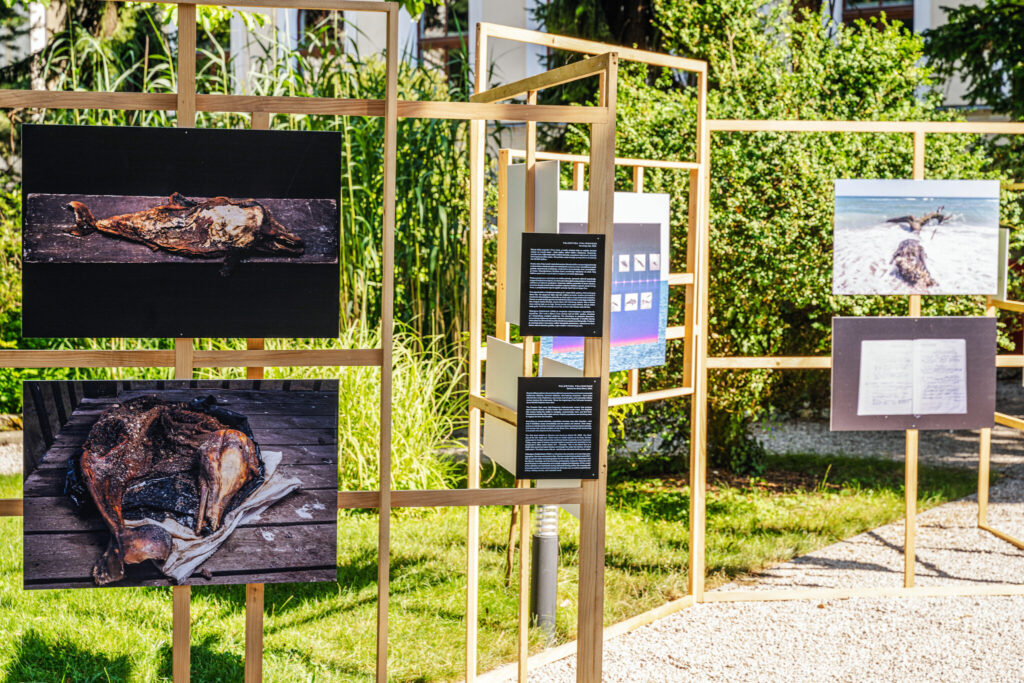
The war in Ukraine leaves an endless number of wounds — destroyed cities, traumatized people, and scarred landscapes. These transformations are the result of aggression and violence that can be divided into two forms: visible (explosions, fires, destruction) and invisible (soil contamination, poisoned water, and the loss of biodiversity). In 2011, researcher and professor of the humanities Rob Nixon formulated the concept of “slow violence,” which has become one of the key frameworks for understanding environmental damage as a form of violence. It is violence that unfolds gradually and often outside the field of vision — stretched across time, dispersed in space, and frequently invisible to the media. Ecocide is not only a moment of destruction, but a long-term process of toxic impact that can last for years or even decades.
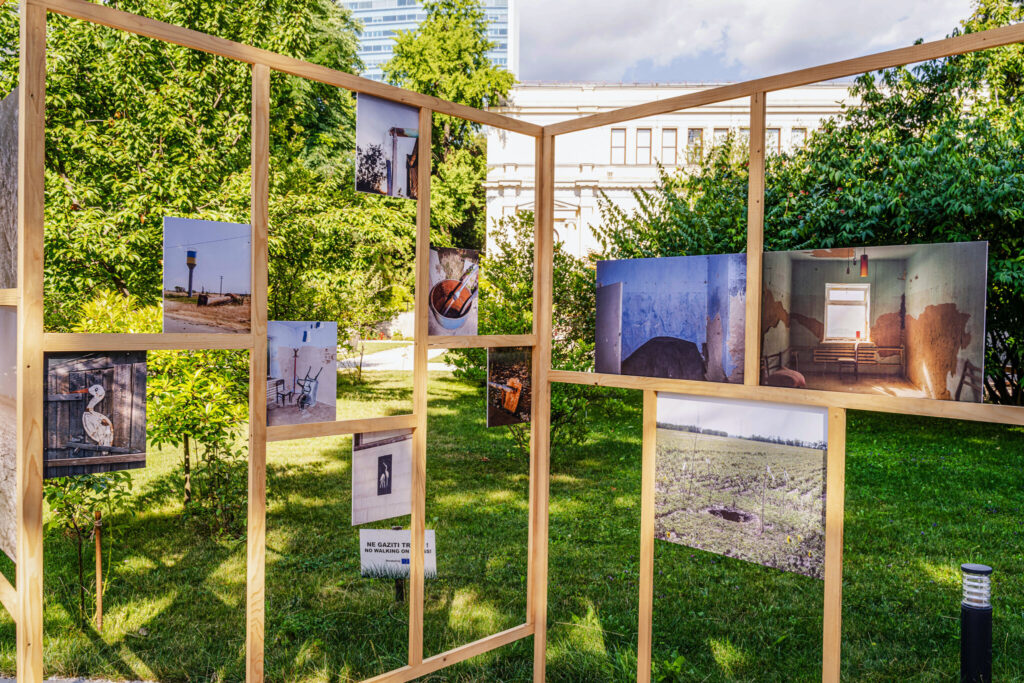
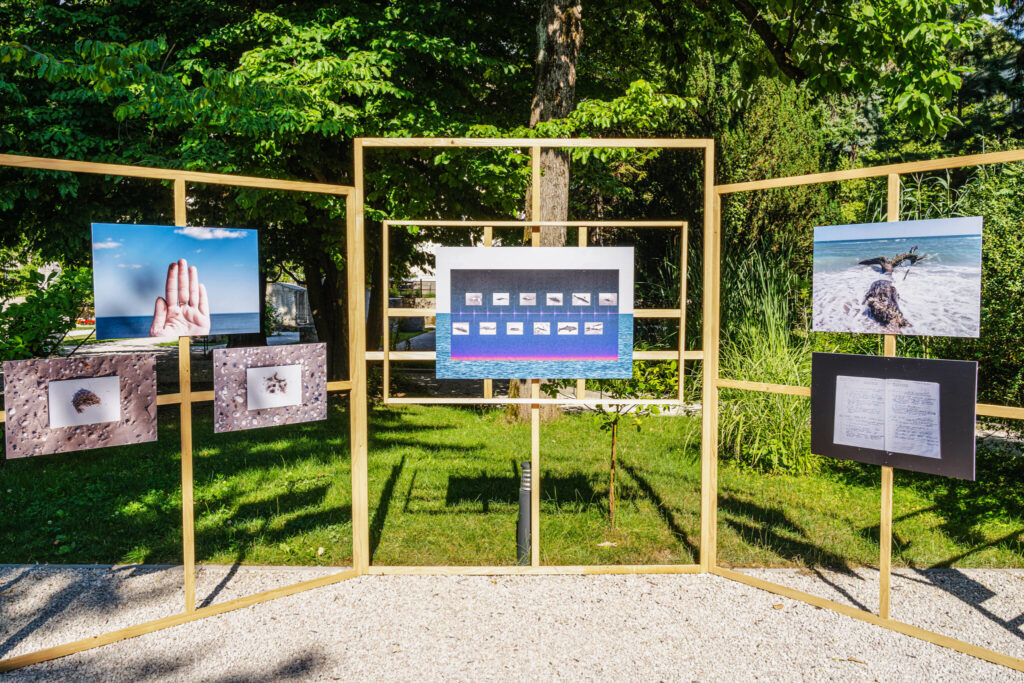
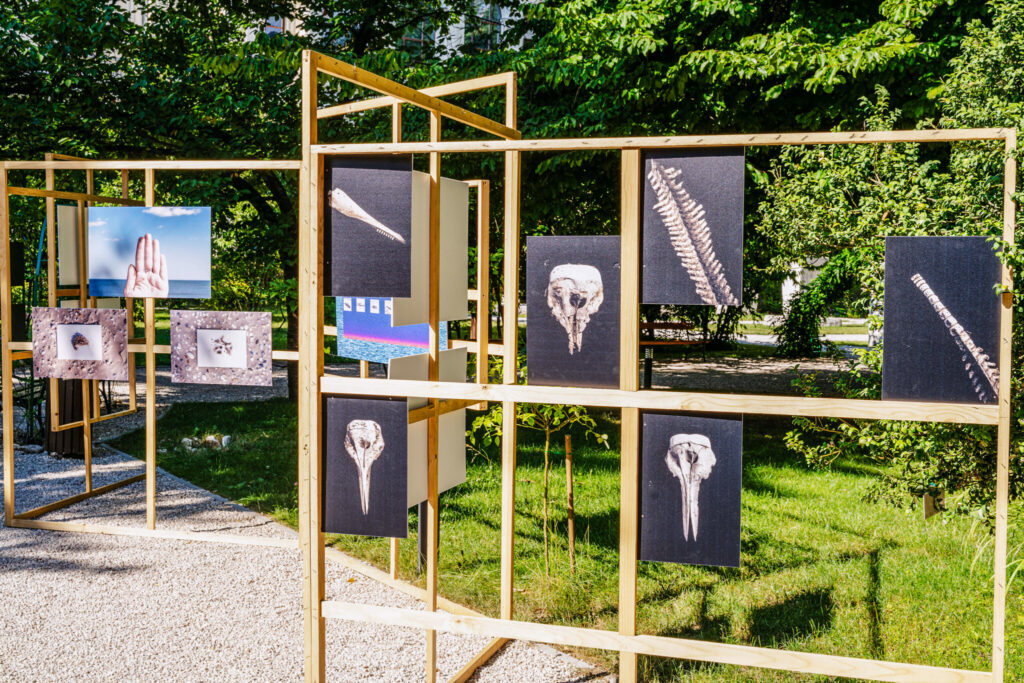
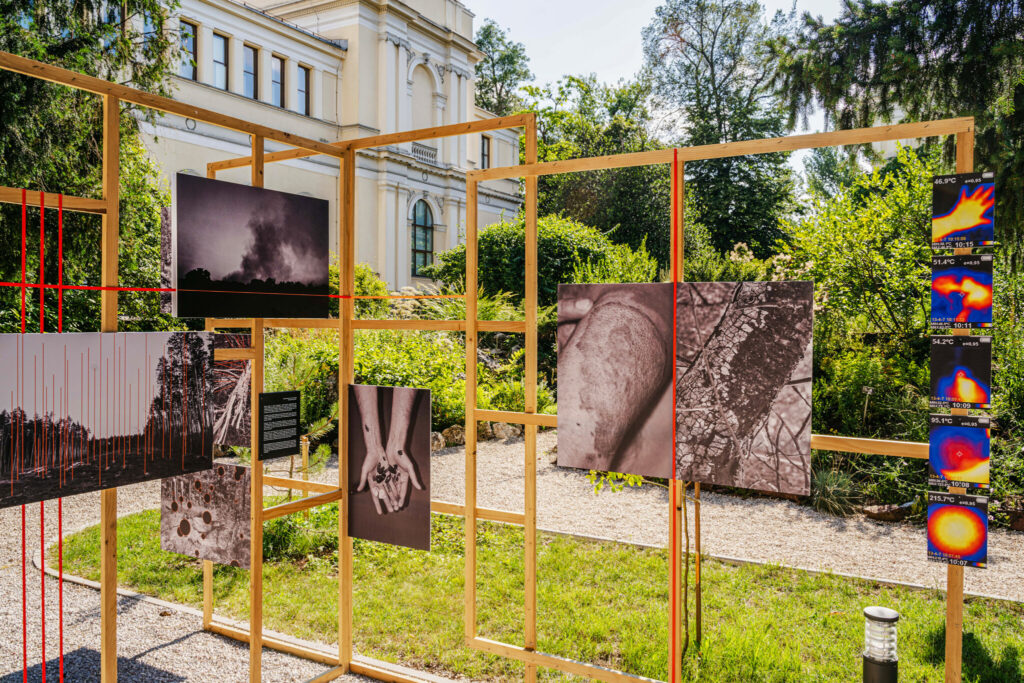
In the project Documenting the Impact of the Russian War on Ecology, we focus on processes of research and observation of ecological changes triggered by the war in Ukraine. The scope ranges from land to sea, from forest ecosystems to the interconnections between insects and plants. In this project, photography appears as a tool that makes visible ecological transformations that unfold slowly, yet shape the future of landscapes and communities.
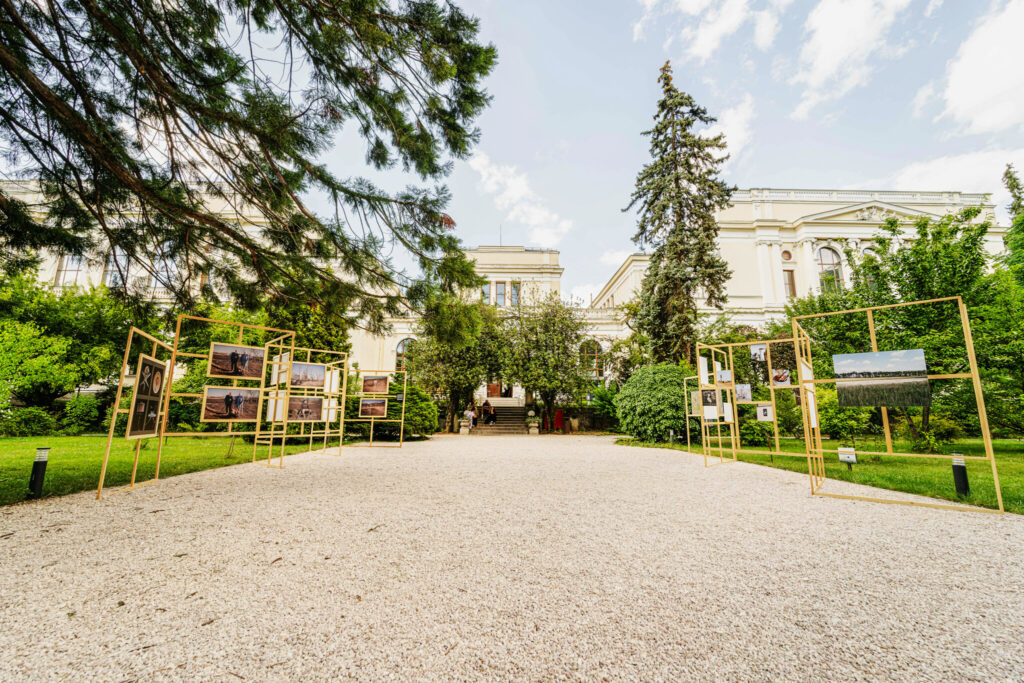
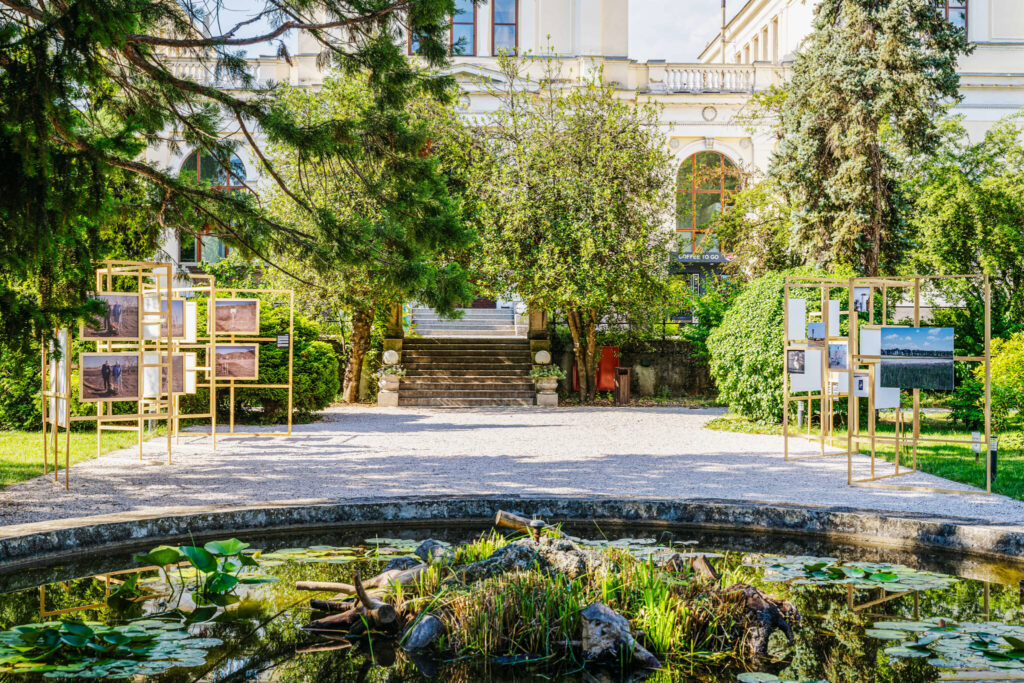
The visual research is integrated into the space of the botanical garden. It is a symbolic place for preserving floral diversity — an island in the middle of the city where the main goal is to study and protect plant genetic resources. In the space between the granite walls of the building and among the plants in the greenhouse, a visual narrative emerges: artistic statements formed as a result of a three-month mentorship program.
Kateryna Radchenko
Curator of the mentorship program