
Lejla Hodžić
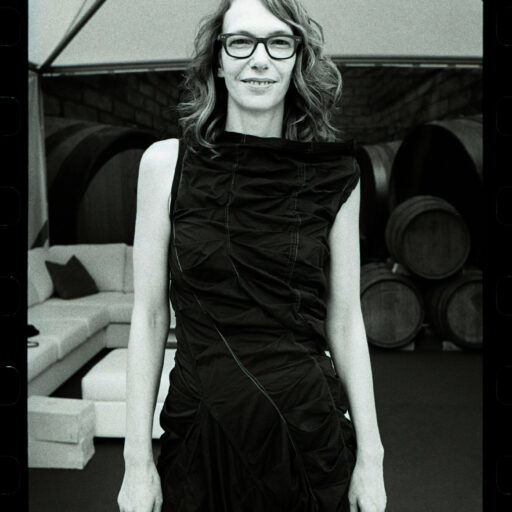
Curator and designer
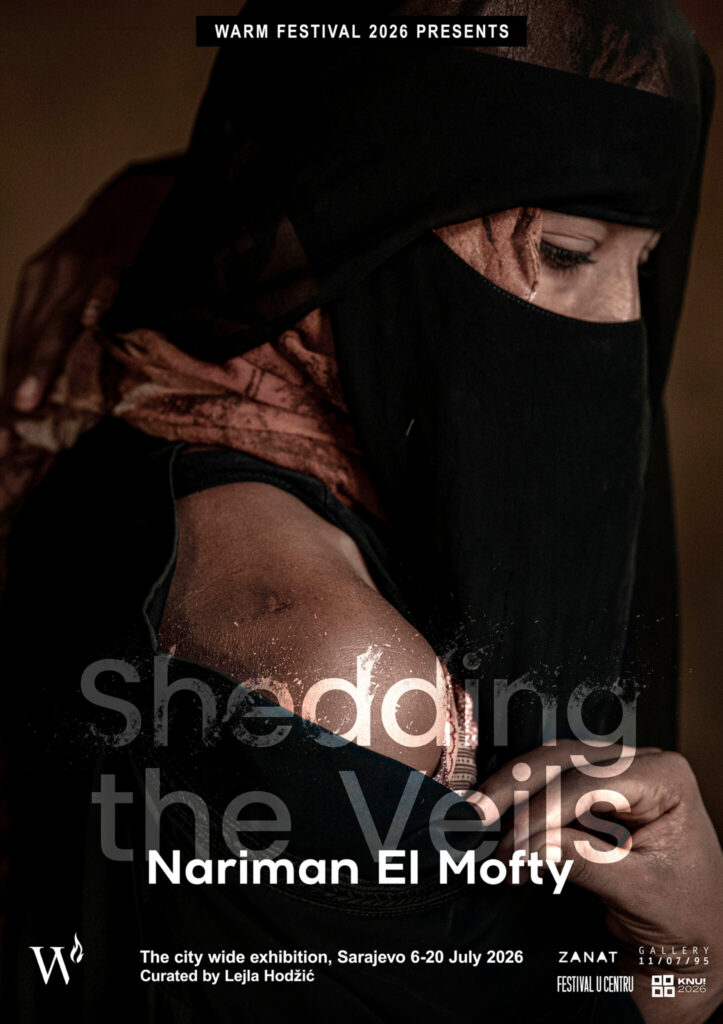
Nariman El-Mofty: Shedding the Veils
A photo exhibition
In partnership with Kultura na ulice 2026!, Gallery 11/07/95 and ZANAT.
Curated and designed by Lejla Hodžić
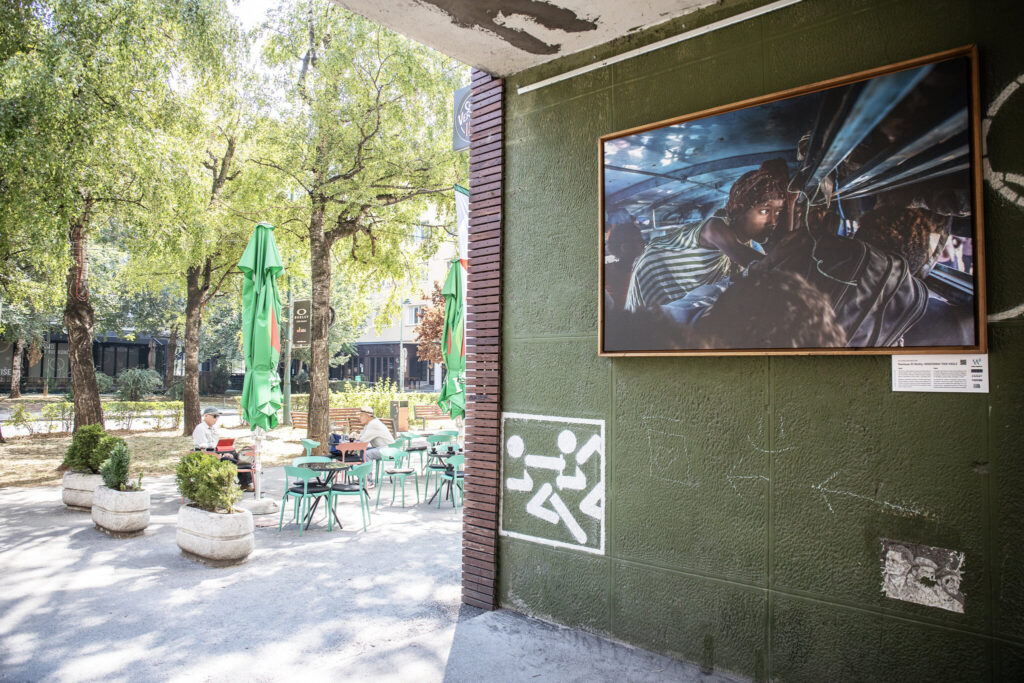
Displayed at 15 locations across Sarajevo
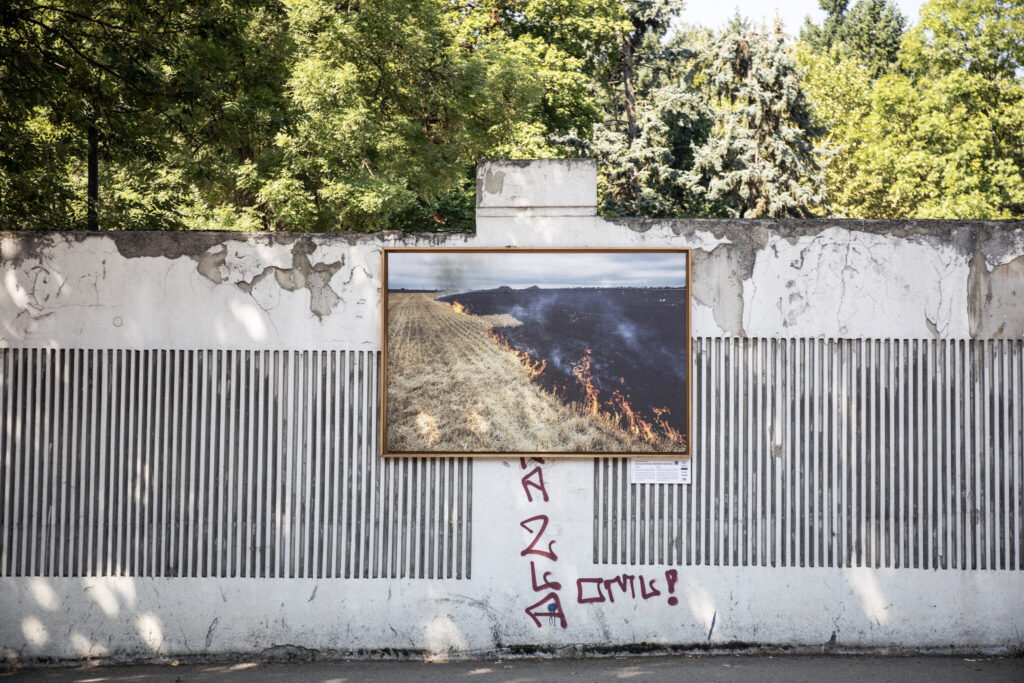
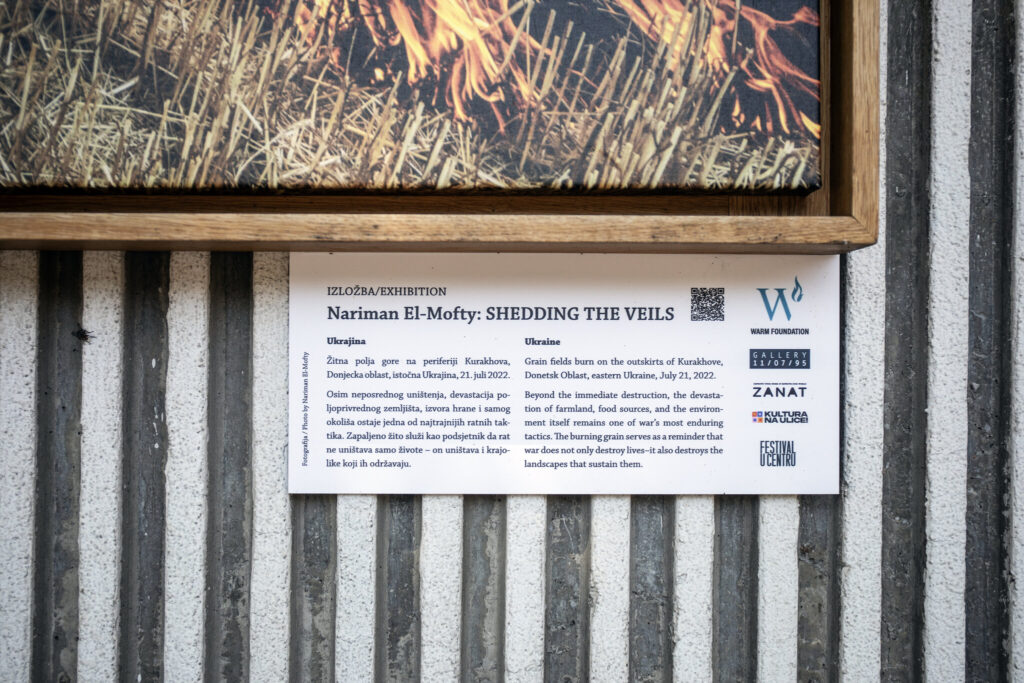
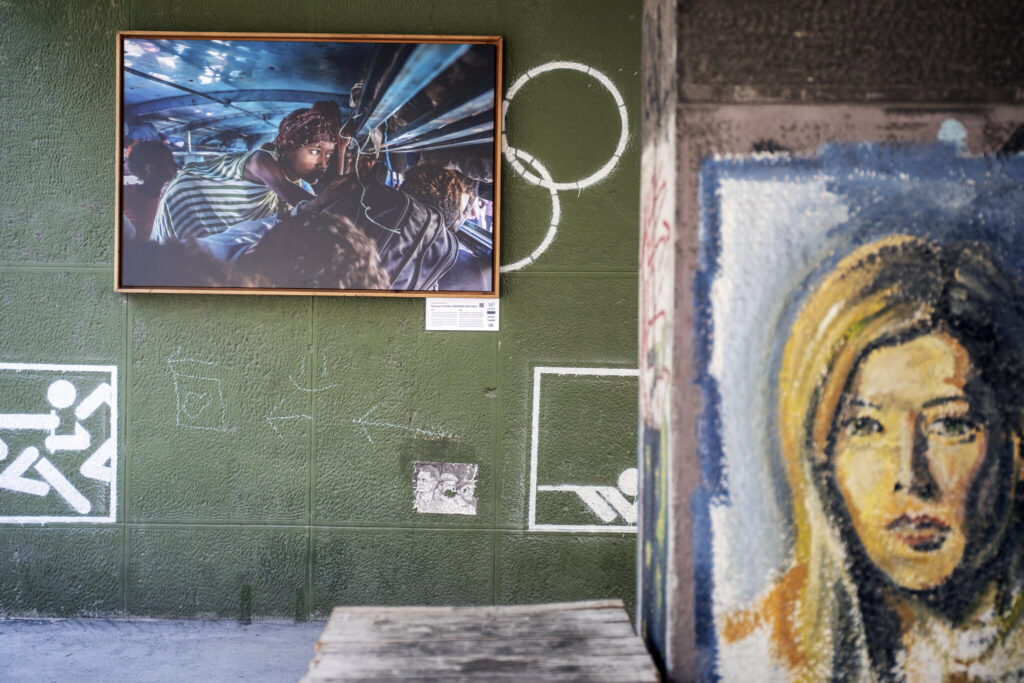
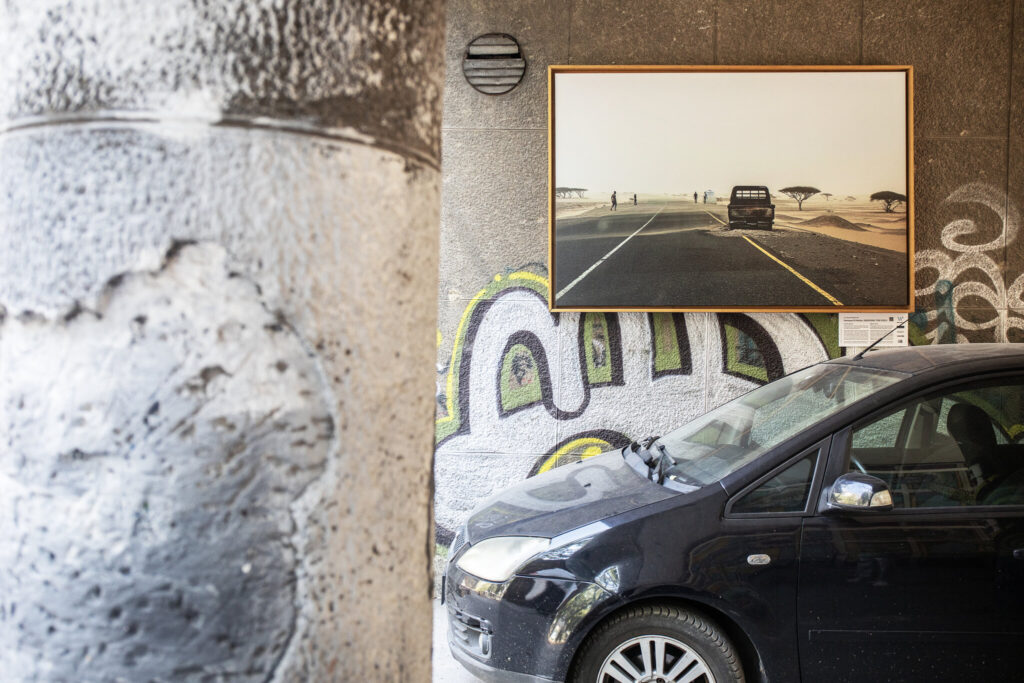
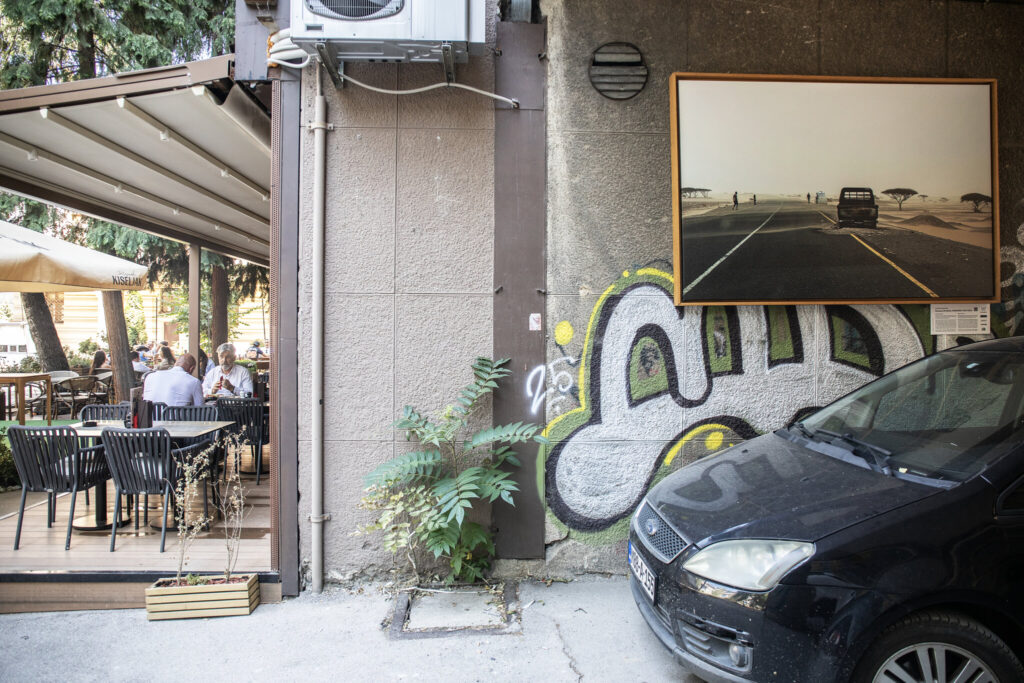
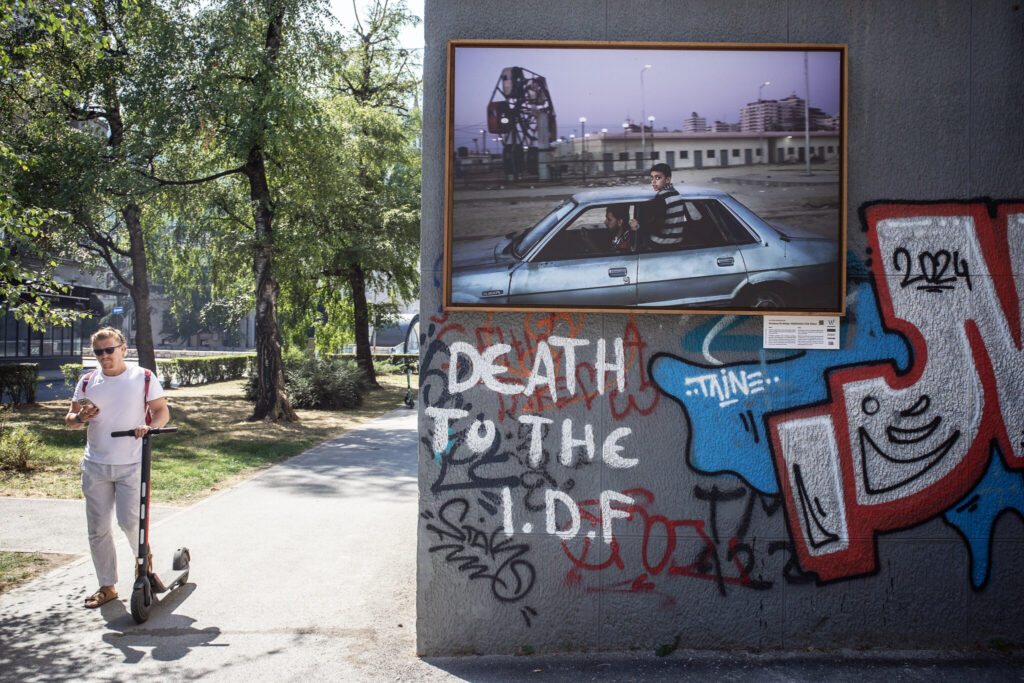
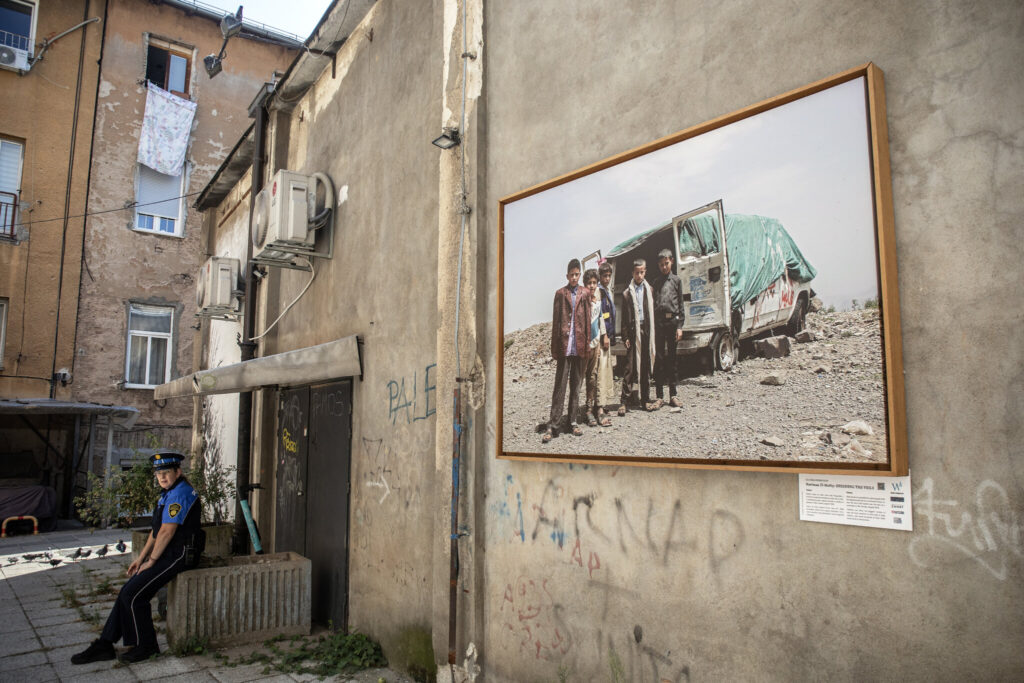
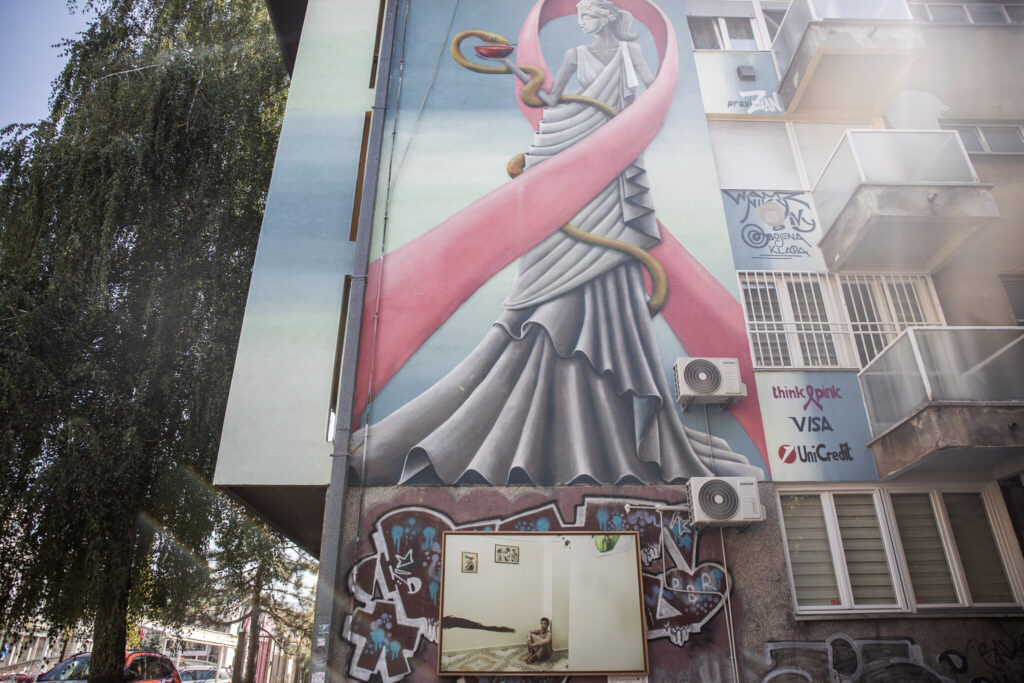
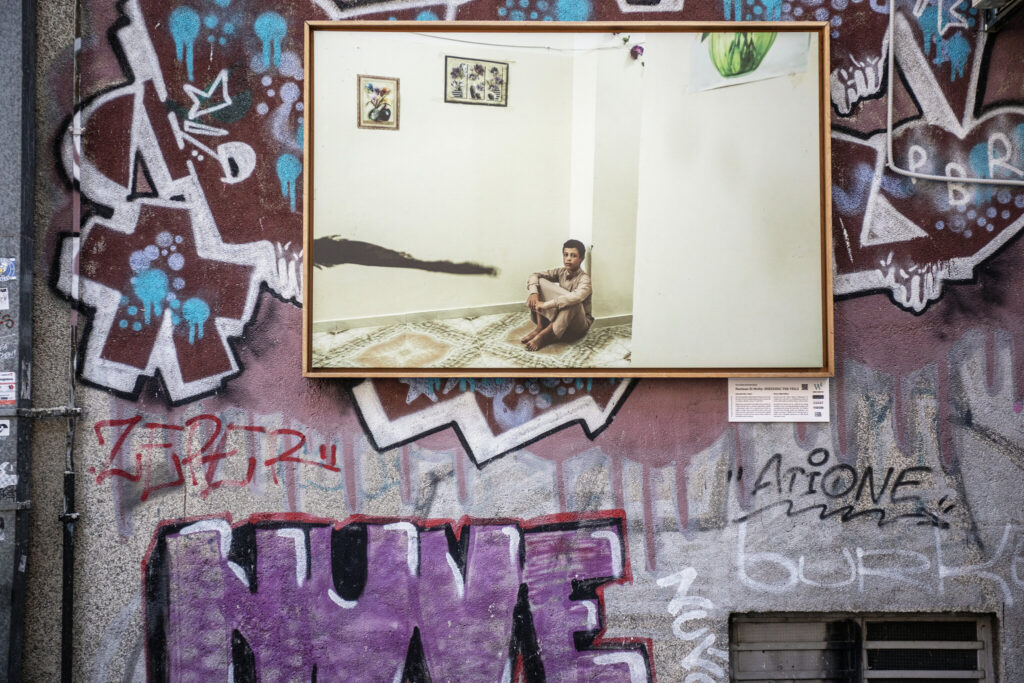
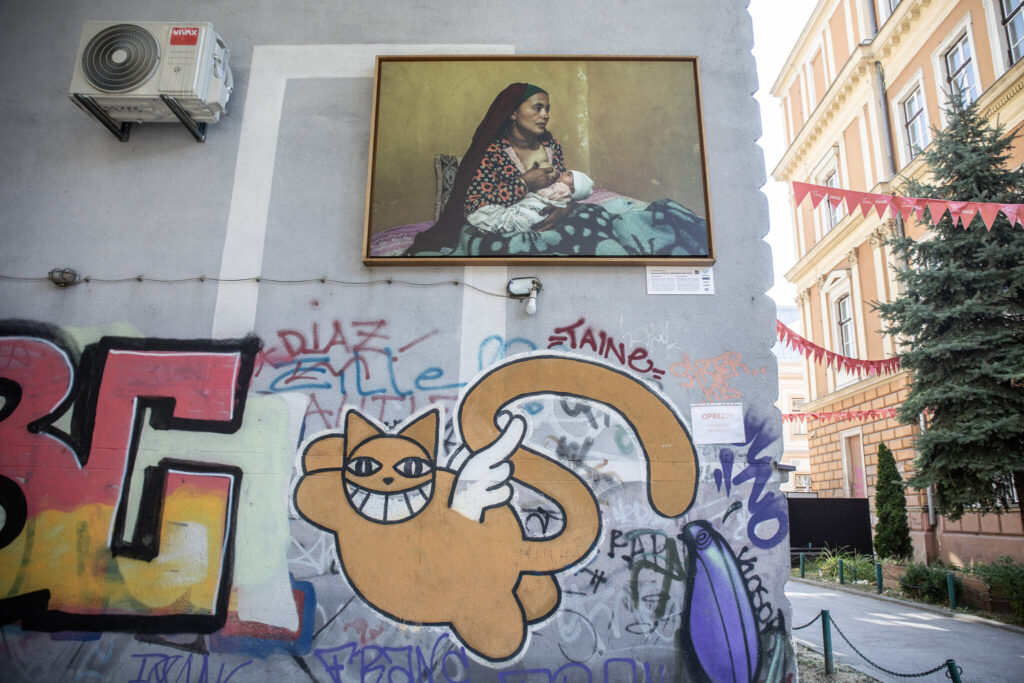
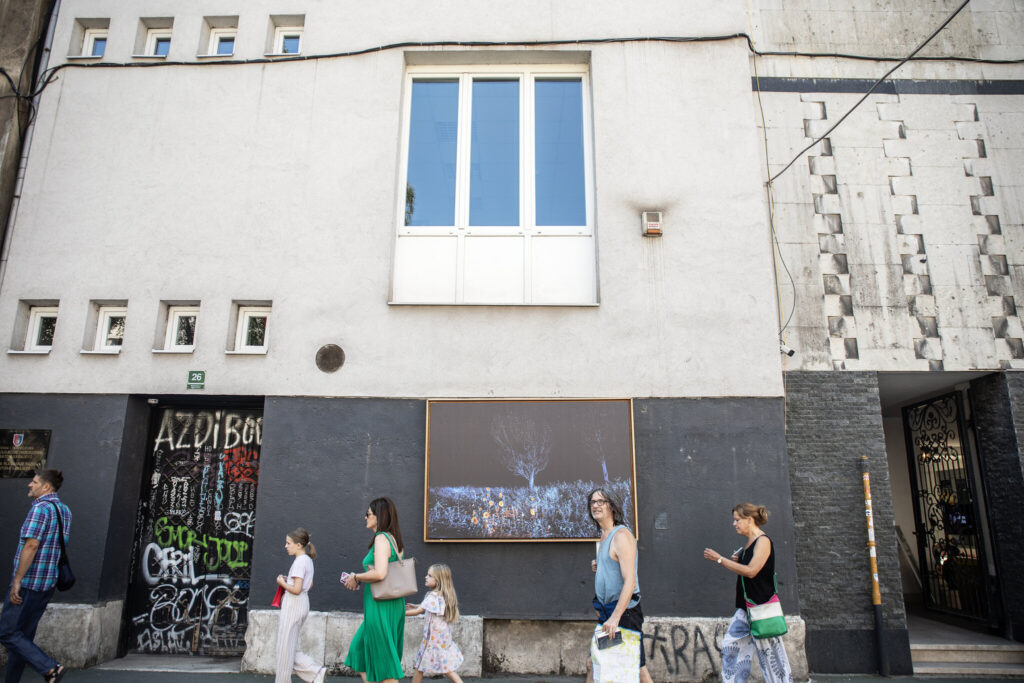
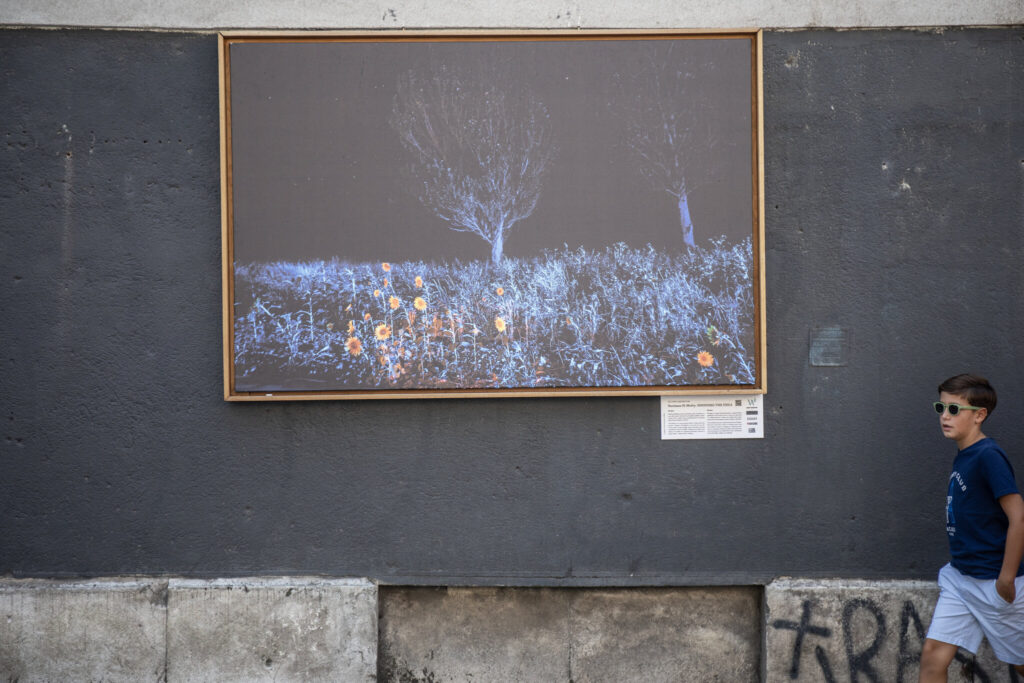
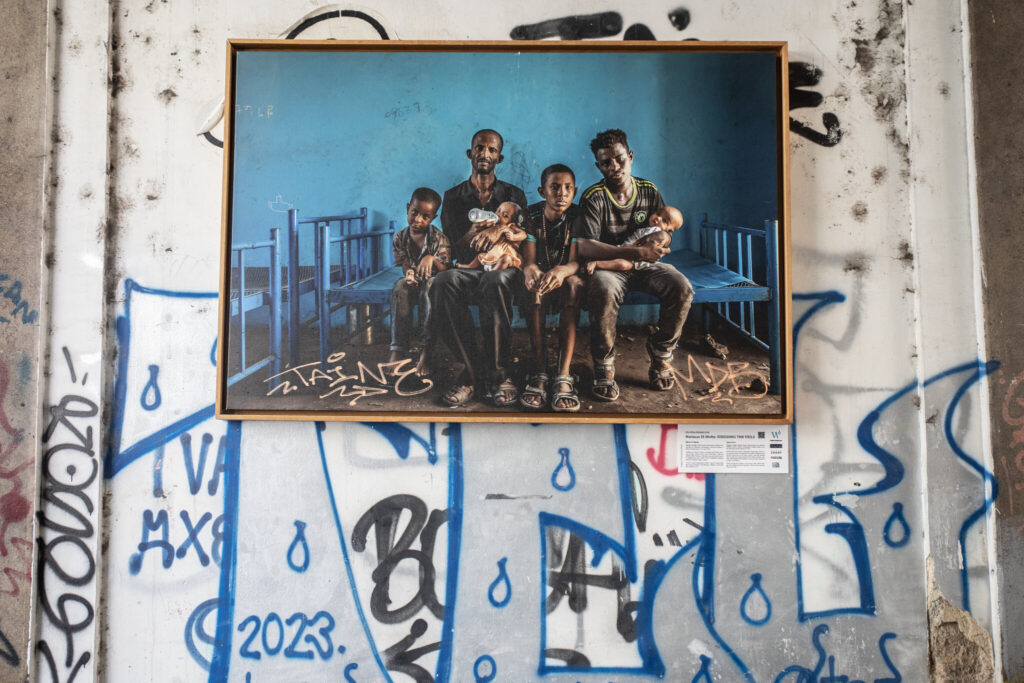
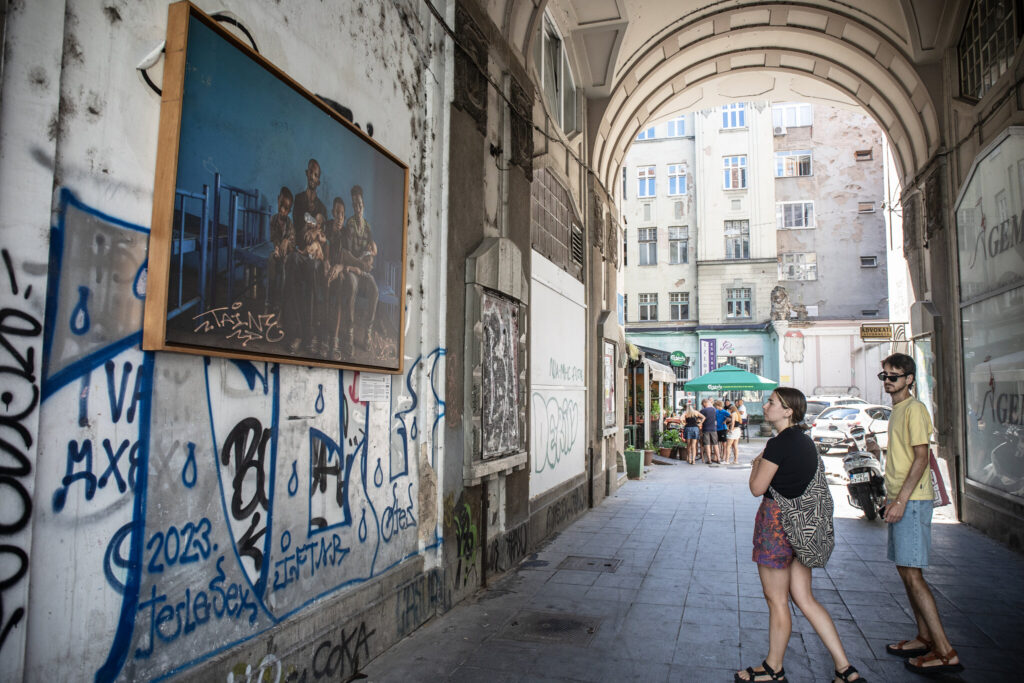
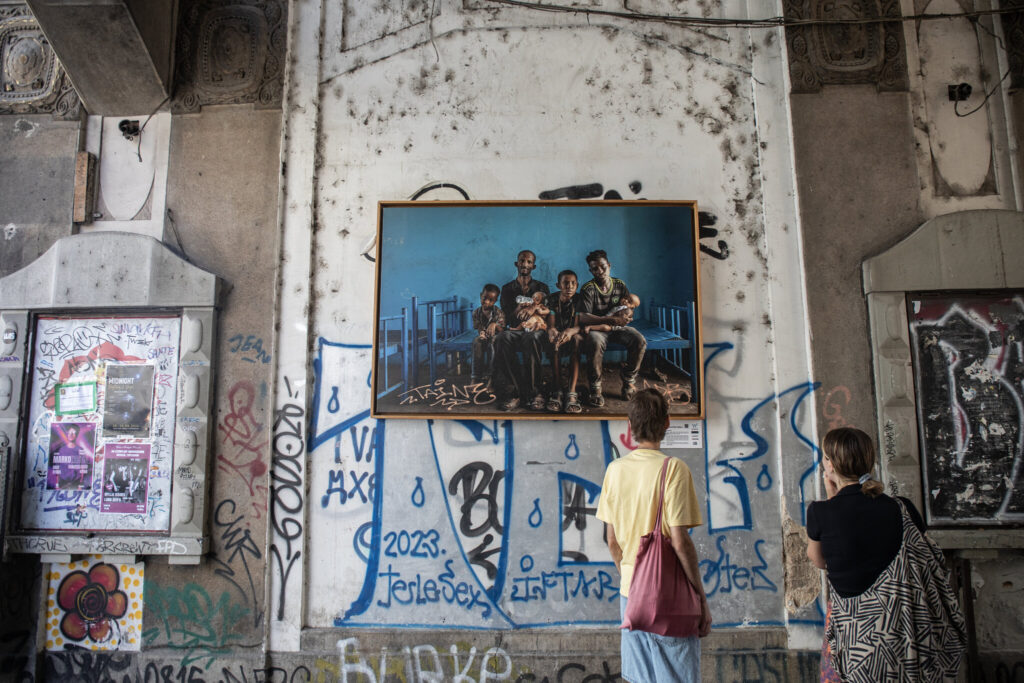
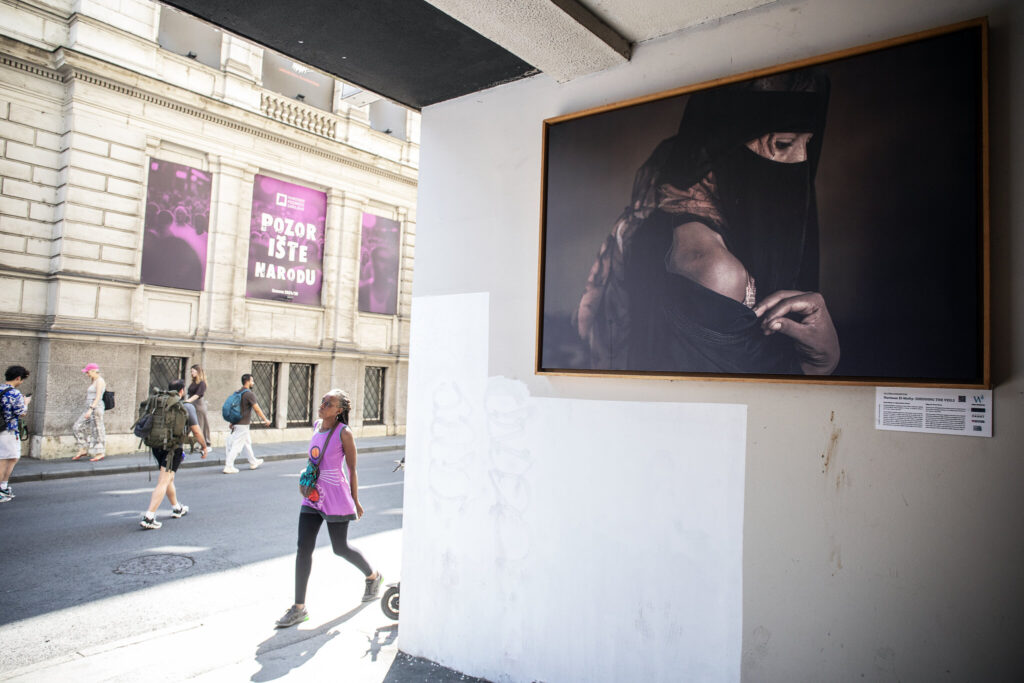
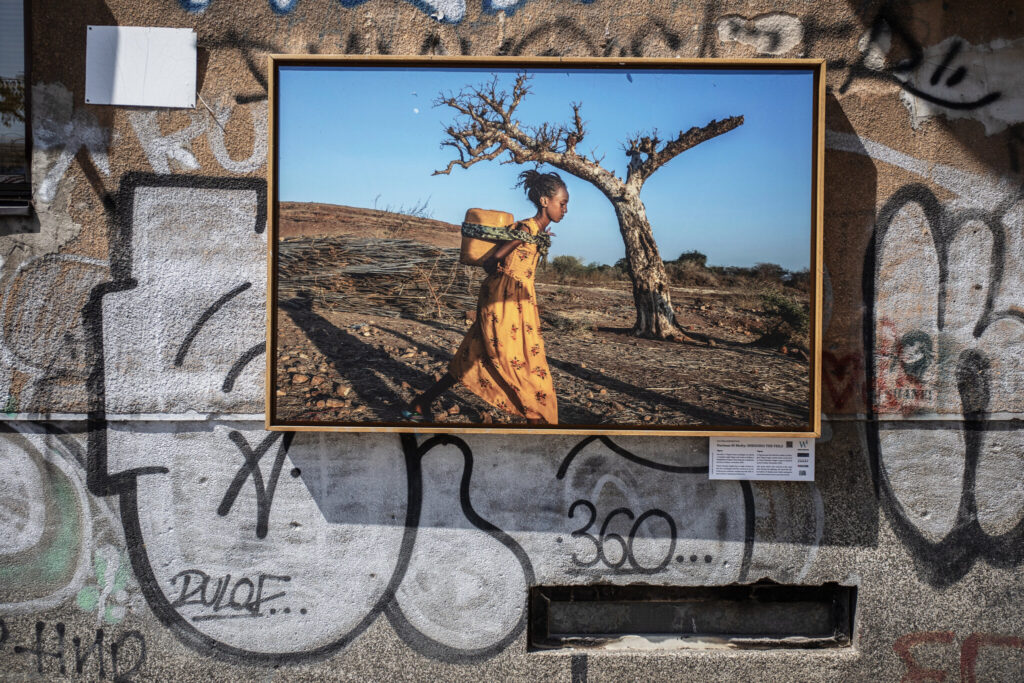
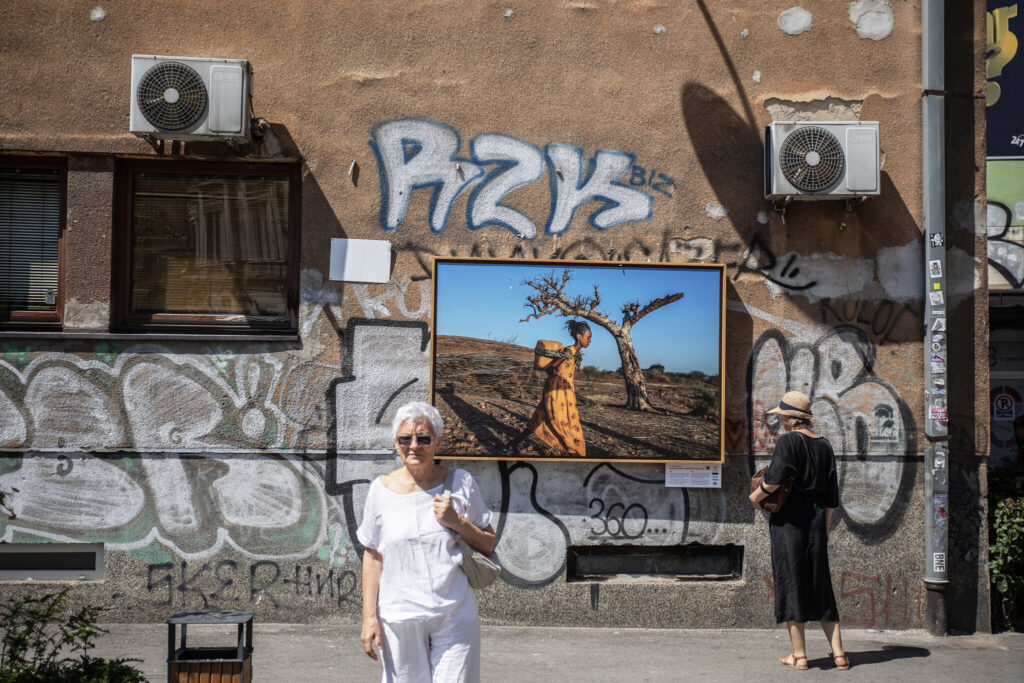
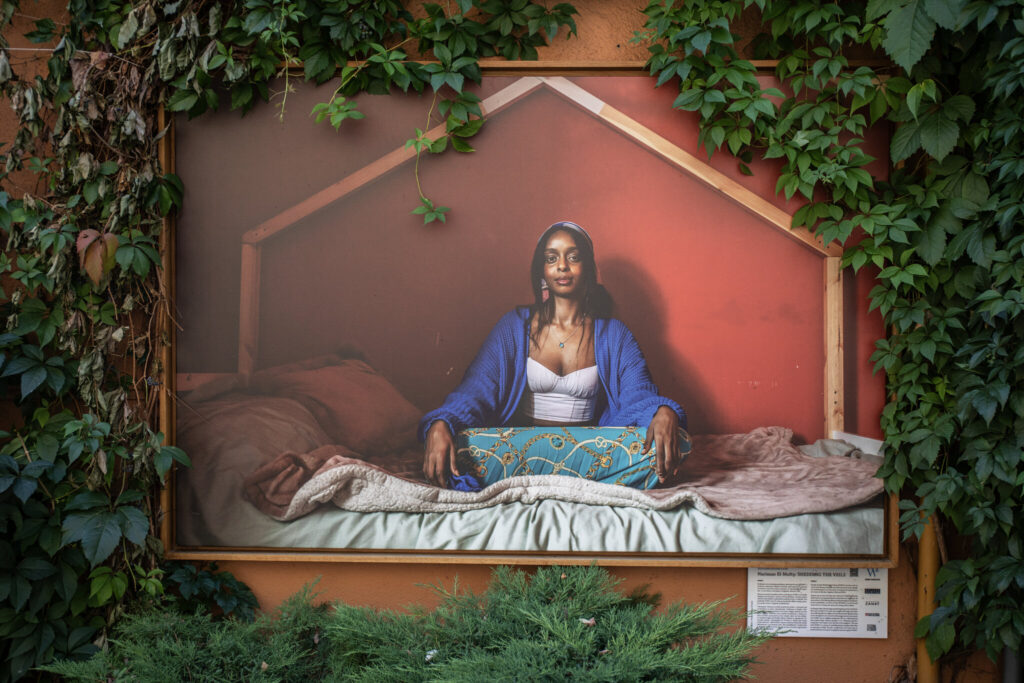
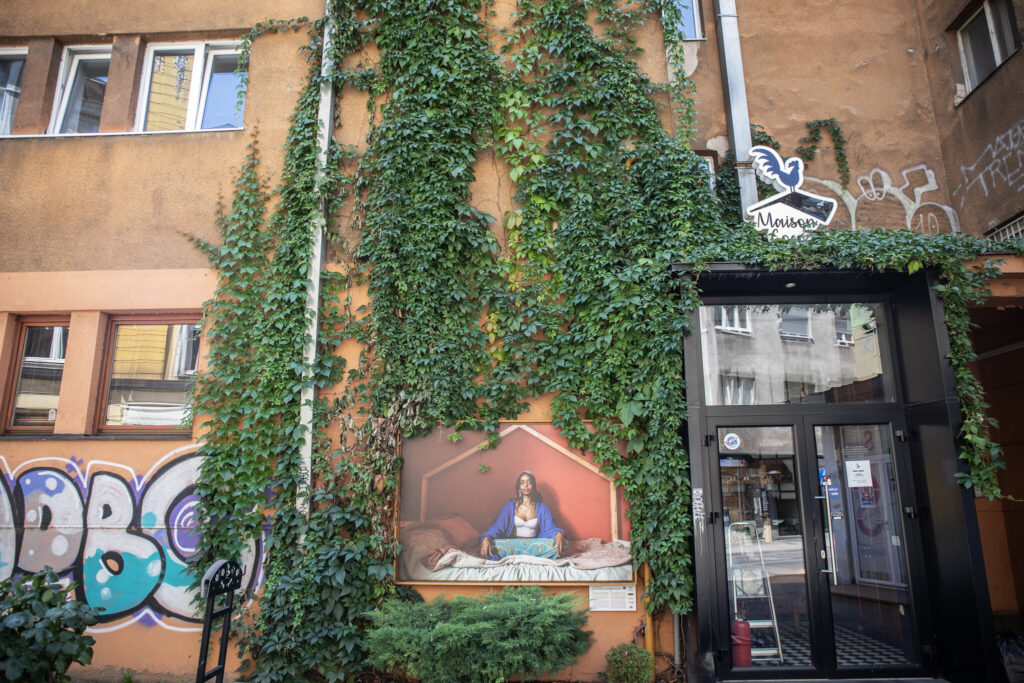
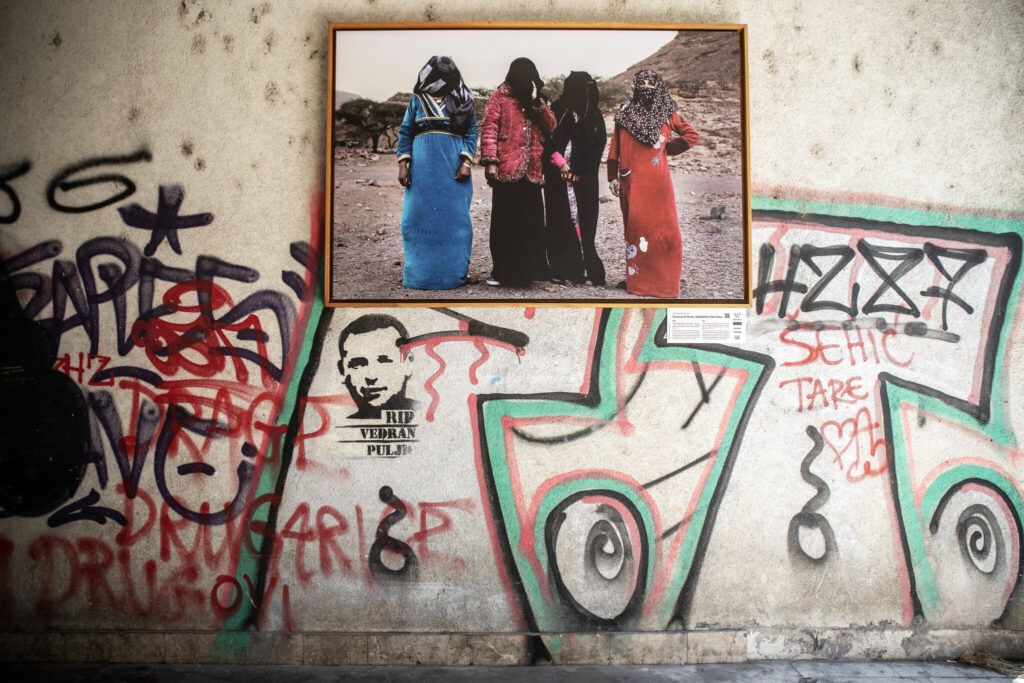
For the fourth consecutive year, WARM Festival transforms Sarajevo’s city centre into an open-air gallery, presenting large-scale photographic exhibitions across 15 public locations. This year’s exhibition, Shedding the Veils by Nariman El-Mofty, brings together photographs from years of reporting across some of the world’s most difficult conflicts.
Rather than focusing on a single war or geography, the exhibition explores the universal threads that connect people living through violence, displacement, loss, and resilience. Installed throughout the city, it invites passers-by to encounter stories beyond the headlines and reflect on the shared humanity that exists beneath political, cultural, and geographical divisions.
Curated by Lejla Hodžić, the exhibition opens with an artist walk and talk beginning in front of the National Theatre in Sarajevo on 7 July at 18:00.
________________________________
NARIMAN EL-MOFTY
Shedding the Veils
The layers that must be removed to go beyond the superficial and get closer to the roots of a story are deep and often difficult to untangle.
How can one ever truly claim to understand another person?
We all arrive carrying our own histories, biases, assumptions, and perspectives. The way we understand others is shaped by how we ourselves have been shaped. Human beings are complex and layered. No single person can grasp every part of a story.
Are we seeing or are we looking?
For me, understanding often begins with the environment. The landscape is the first layer. The soil beneath people’s feet, the mountains they cross, the fields that feed them, the roads they travel, and the places they call home all shape who they are. Taking the time to understand a place is often the first step toward understanding the people who live within it.
The nature of photojournalism places me within societies during some of their most difficult moments. Photographing people in times of vulnerability introduces one immediately to the rawness of human experience. Yet vulnerability alone is not enough. One of the challenges of photojournalism is how to tell the “truth” while preserving dignity. How do you photograph suffering without reducing a person to it? How do you show the brutality of war while remembering the humanity of those living through it?
The deeper I move into a story, the more the differences start to fade. These veils begin shedding but are never fully removed. Hunger looks the same in Yemen, Sudan, Ukraine, or anywhere else. Grief and resilience are not bound by geography. Beneath these layers we are far more alike than we often imagine, just like what’s under the tones of our skin.
Every landscape and every person has left their imprint on me. I am the product of the people and places that have touched me deeply. I evolve through their hardships and trauma, and that evolution travels with me to the next person, the next landscape, and the next story. The two are inseparable.