
Laurent Van der Stockt
Photographer
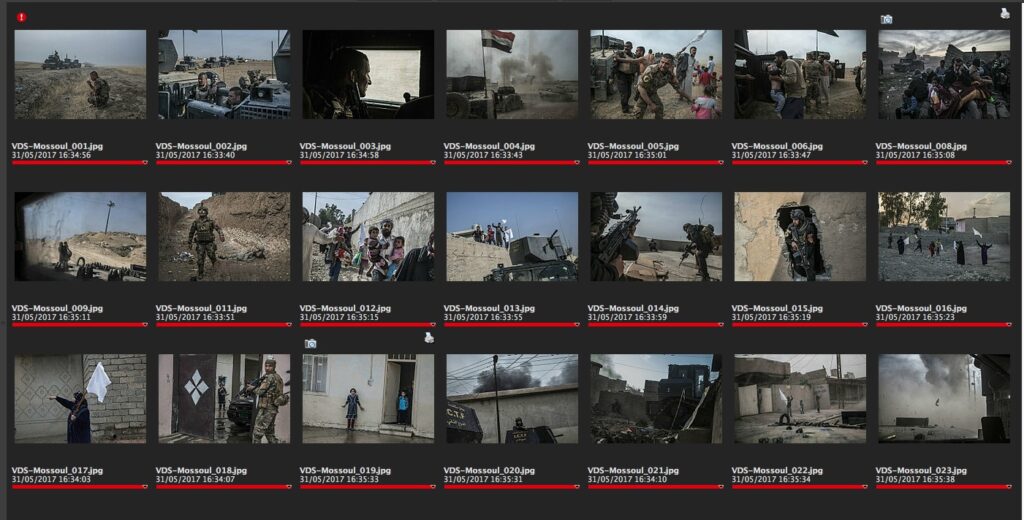
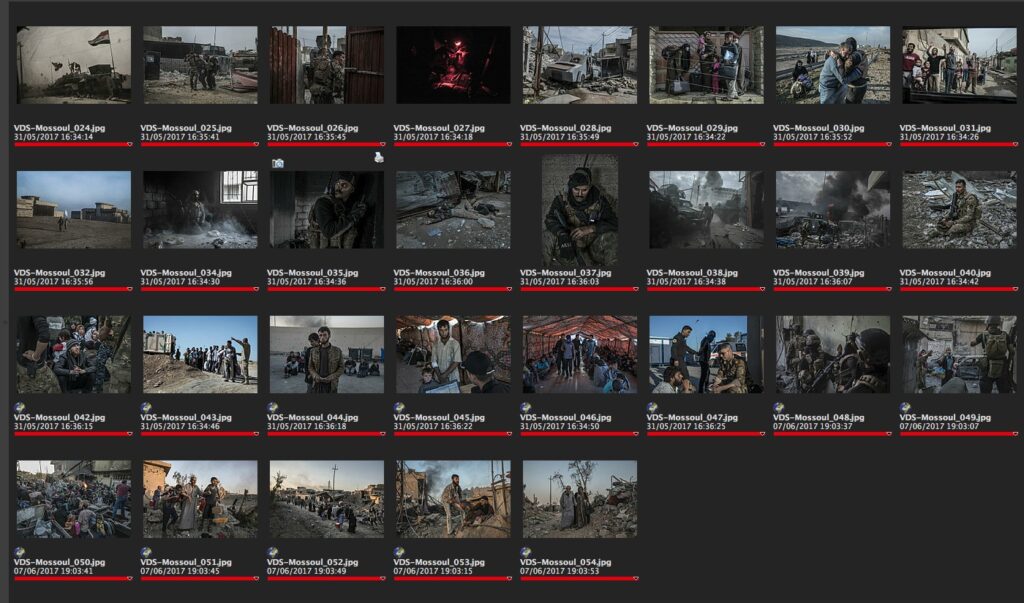
The Battle of Mosul
The Battle of Mosul
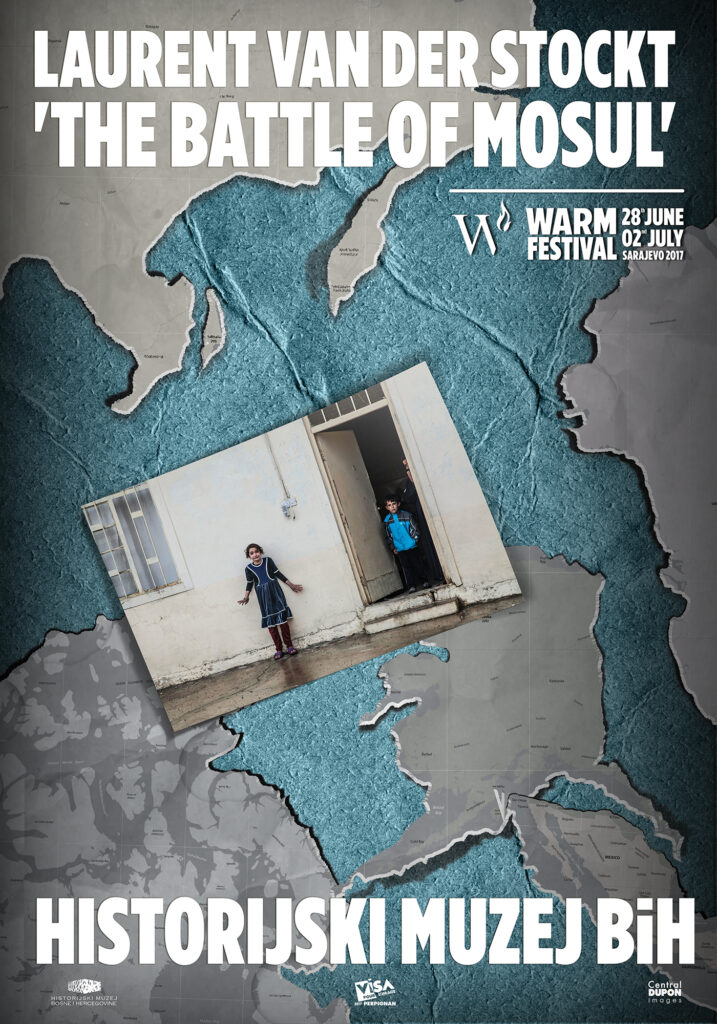
A photo exhibition by Laurent Van der Stockt
Location: Historical Museum, Sarajevo, July 2017
Partner: Visa pour l’Image Perpignan
The battle to liberate the second largest city in Iraq from the Islamic State group (IS) began in October 2016 and continued in June this year.
Nine months to face a dangerous military challenge as it was about chasing away the members of Daesh (Arabic language acronym of the Islamic State), including several thousands jihadists fighters ready to die in a battle, while between 1 million and 1 million and a half inhabitants still lived there at the beginning of the operations.
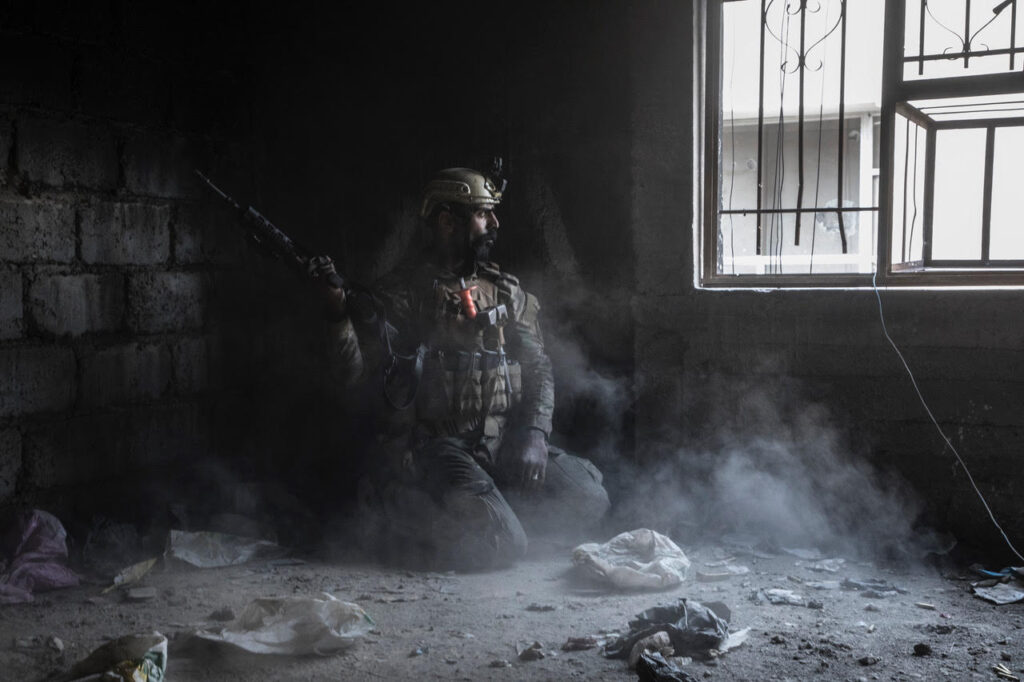
In a country where most of the workings are plagued by inequalities, corruption and sectarianism, “CTSs”, the special forces of the counter-terrorism services, dependent on the Prime Minister and not on the defense, have gained the recognition of the population. As the war started three years ago against the IS, its soldiers have fought Daesh since the creation of the caliphate of Al-Bagdadi in June 2014. In Ramadi, Hit, Fallujah and throughout the province of Anbar, they have been more professional and respected by Iraqi people of all denominations than other military corps. In Mosul they were predominant whilst penetrating and taking over the first western half of the city. Unlike the turning point with white phosphorus attacks on Raqqa in Syria a bit later, the international air strikes prior to their attacks were generally parsimonious and precise, avoiding a more serious human disaster than it already was. The advance of the troops was prudent in order to spare as many civilians as possible, even though some 200,000 of them were displaced and many others injured or killed.
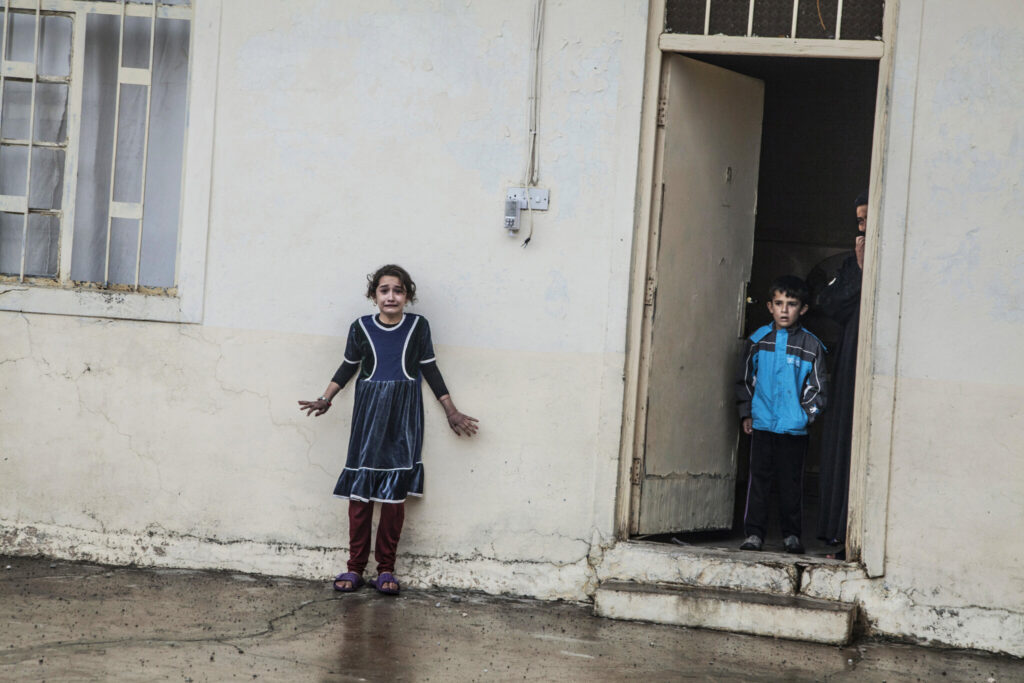
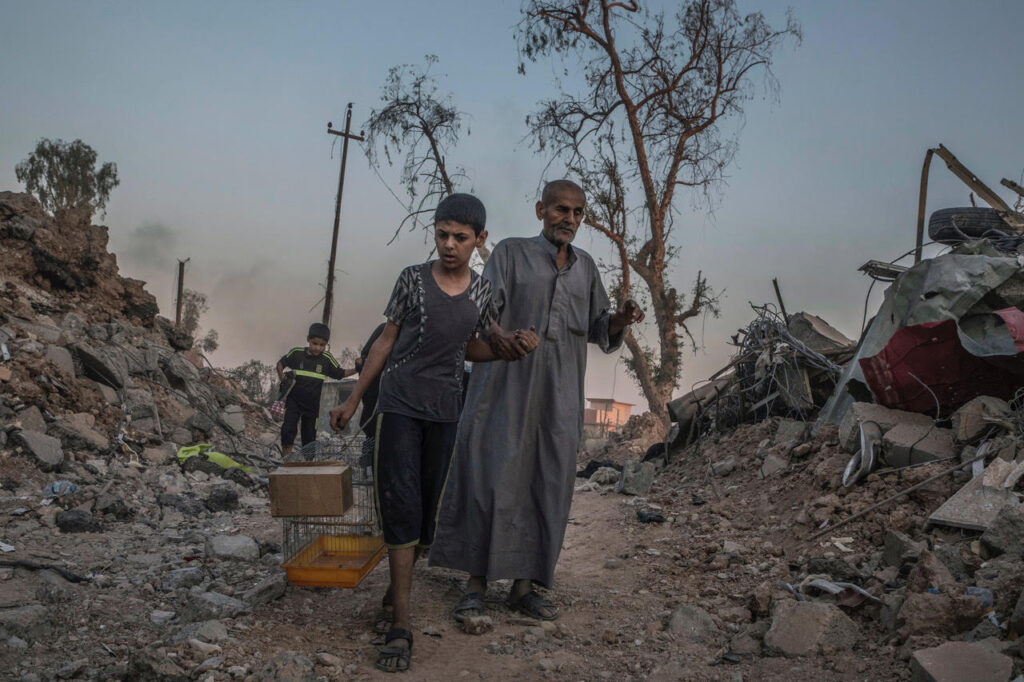
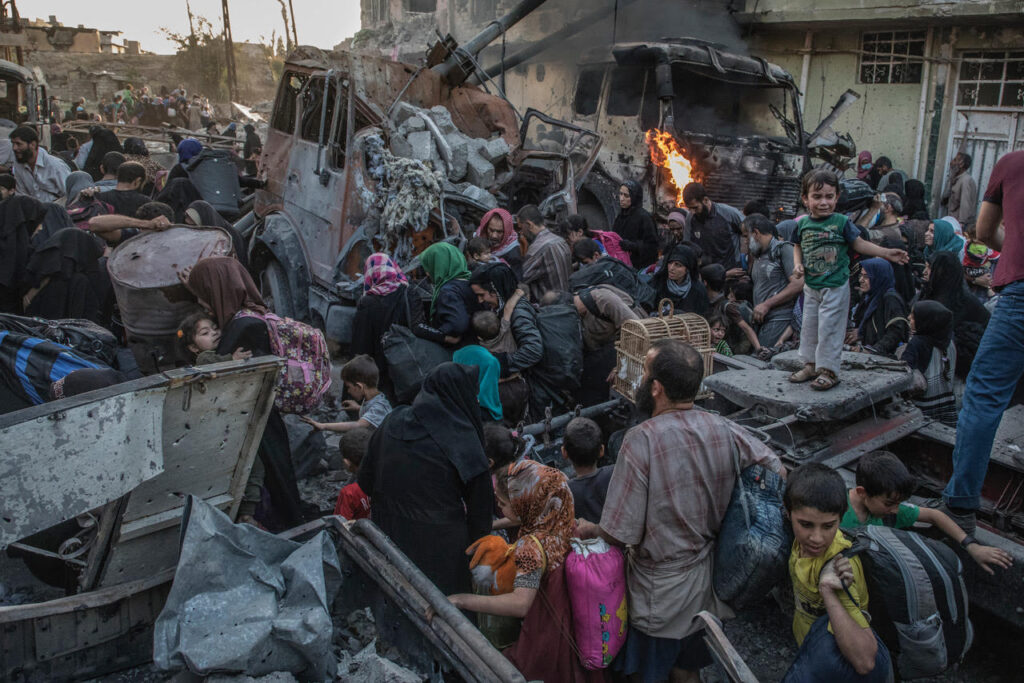
Unfortunately, other Iraqi forces engaged in the battle – the army, the federal police and ERD, its rapid reaction forces, much more involved in taking over the second part of the city, have dramatically increased the human cost of the operation. To the east of the Tigris River, artillery and helicopters have struck without restraint or precision, so, hundreds of civilians died under bombardments (according to various humanitarian and United Nations sources, between 2100 and 4000 civilians died between October 2016 and June 2017). Another 500,000 were displaced. As ground troops were progressing without any precautions required by street fighting, thousands of civilians have had to flee Daesh-controlled areas crossing the front lines under fire and explosions when they were not targeted by the IS snipers or forcibly detained by jihadists who knew that the coalition would not strike if the presence of civilians was visible or suspected.
An armed action to control Mosul was inevitable and the majority of the population, who suffered tremendously under the IS, long called for intervention. But, even before it began, the crucial question was that of the political organization and post-battle governance. Will the political forces, mostly Shiites, who share power in Iraq succeed in establishing order and peace in Mosul and in the province of Nineveh? The majority Sunni region can only be appeased, among other things, by the return of respect and justice for its community.
Laurent Van der Stockt