

Carol Isoux
Journalist and foreign correspondent
Fabio Bucciarelli
Photographer
Gen Z, a global language of revolt
Gen Z, a global language of revolt
Text by Carol Isoux, photos by Fabio Bucciarelli and Chemi Doraje Lami
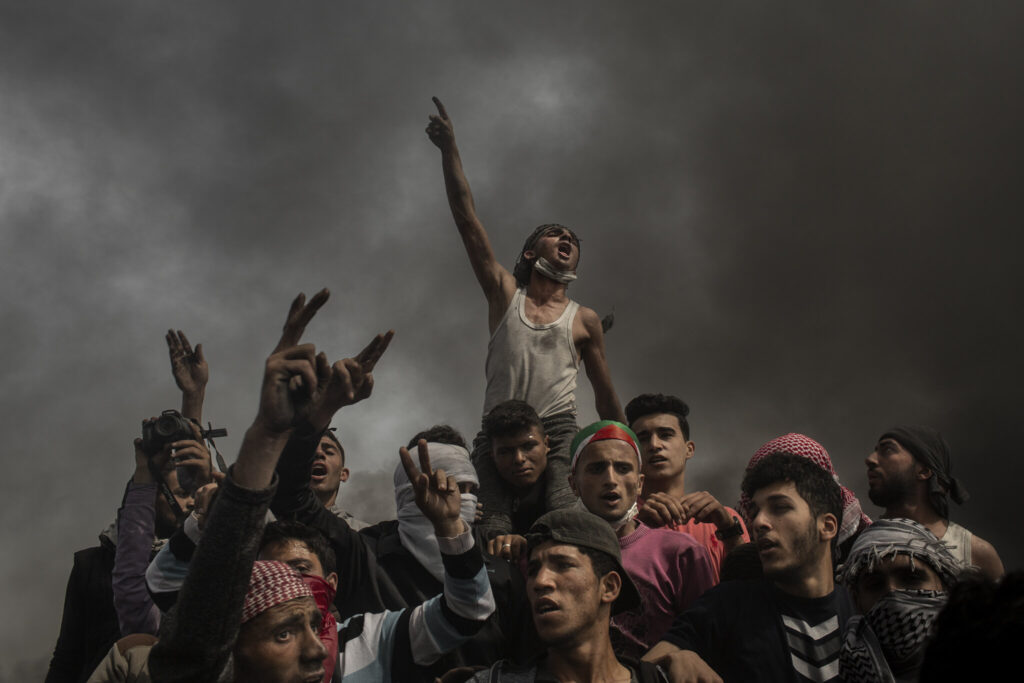
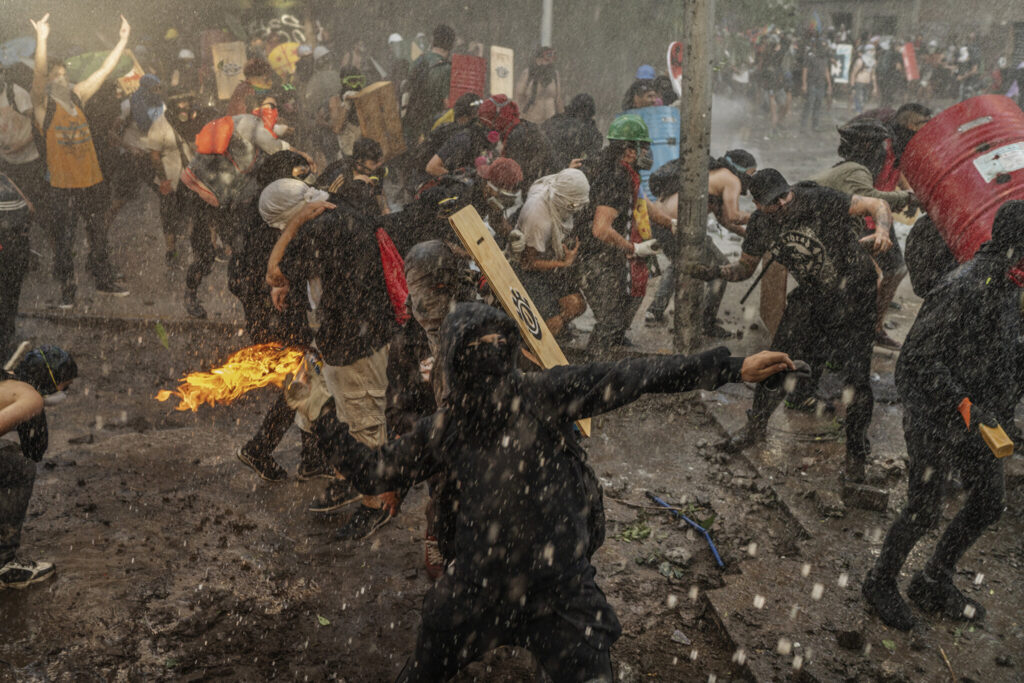
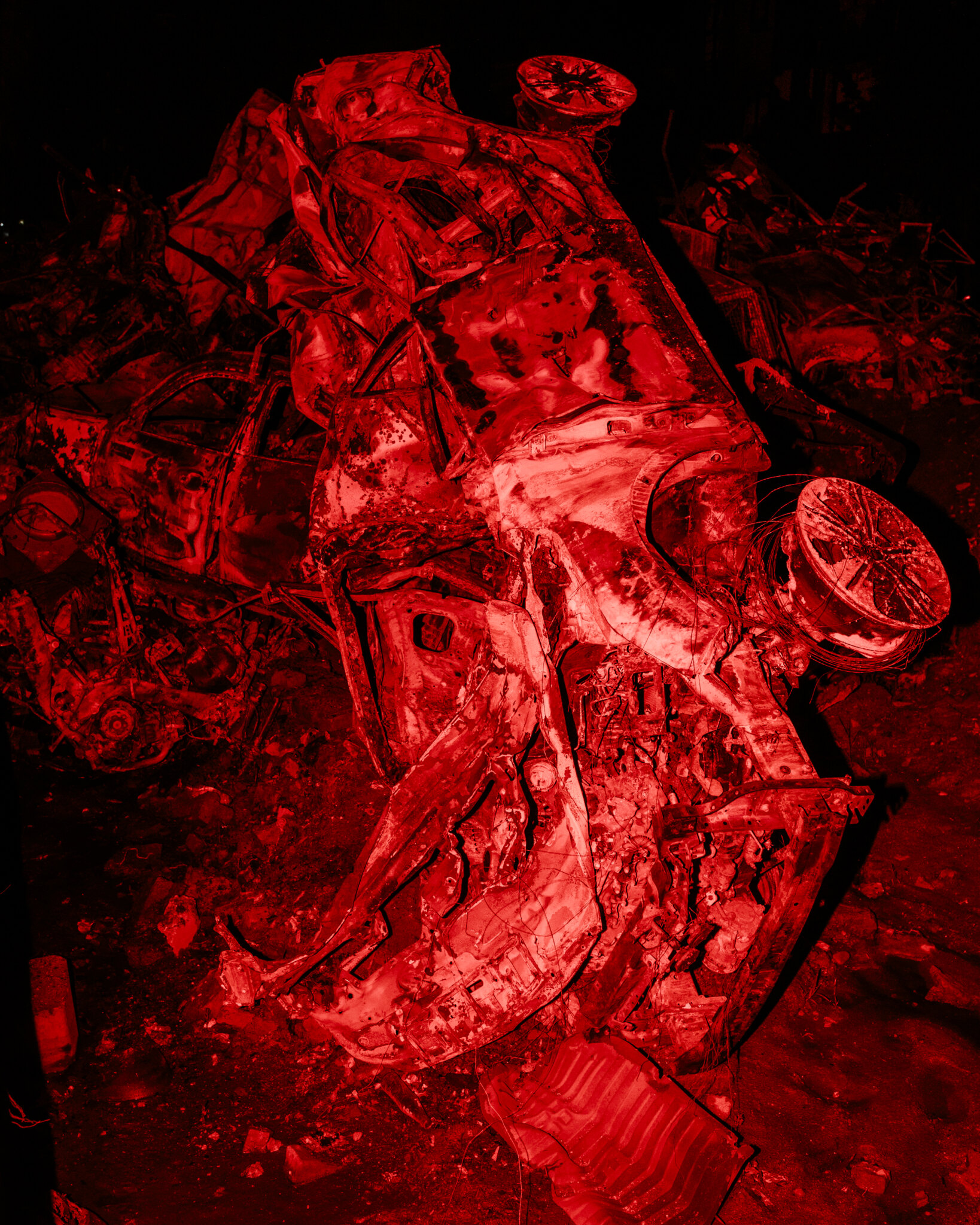
A row of transparent shields. Black helmets facing masked, tense faces. Behind them, a car is burning. Costumes, crowds. A column of black smoke, a raised fist.
Are we in Kathmandu, Santiago de Chile, Belgrade or Yangon?
Take a closer look. Details may change, but the images have begun, strangely, to rhyme, from one continent to another, one uprising to the next.
Across continents, a generation raised online is taking to the streets.
The reasons and the political and cultural contexts differ radically. Yet from Bangladesh to Kenya, Nepal to Madagascar, Serbia to Myanmar, young protesters appear to be rising against the same enemies: corruption, unemployment, authoritarianism, collapsing public services and inequalities so obscene they can no longer be hidden, exposed on the screens everyone carries in their pockets.
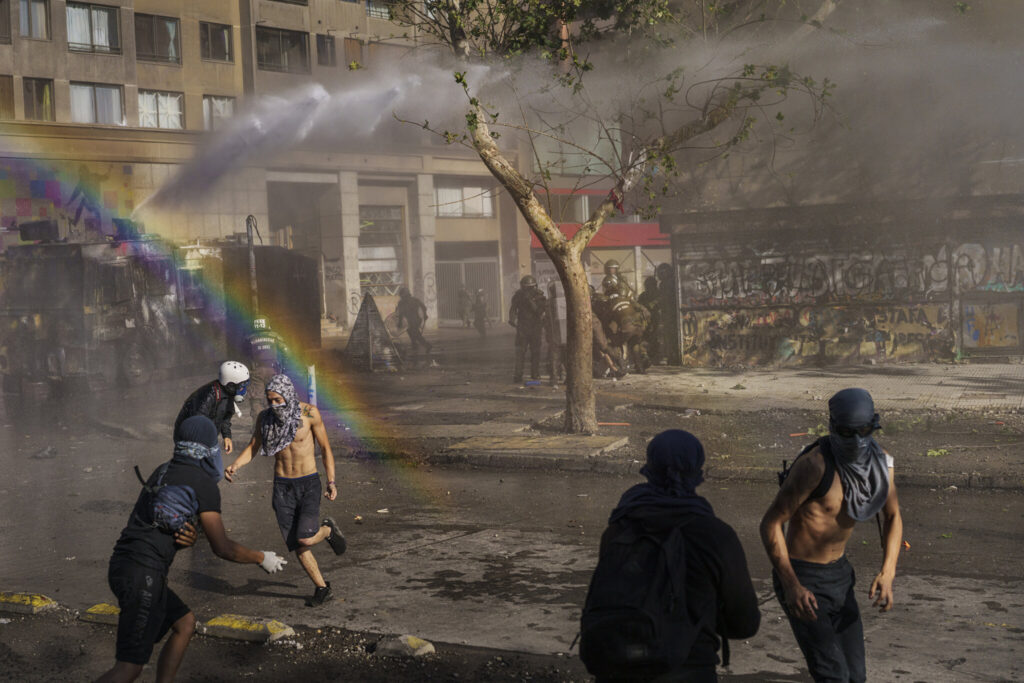
Steeped in viral memes, they seem to be drawing from an increasingly shared repertoire of revolt: tactics, symbols, visual communication.
“Too comfortable to rise up.” “Hiding behind their screens.” “A generation that knows nothing of sacrifice.” We’ve heard it all about Gen Z: raised in greater comfort than their parents, with too much to lose to risk everything; a generation that has begun to turn away from older, warrior ideals of masculinity and perhaps, with them, from the very idea of putting yourself on the line for a cause.
But look closer.
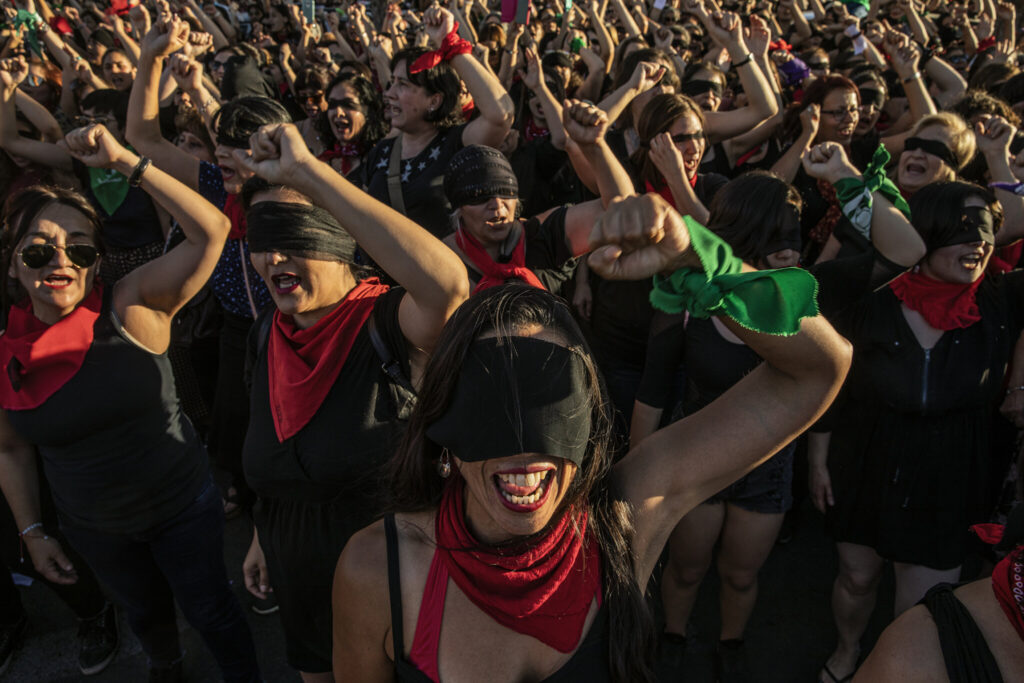
Perhaps they are willing to fight, young men and women alike, just for different things. The grand abstractions inherited from previous generations — democracy, freedom of the press, political ideology — feel remote, particularly when the institutions invoking them are seen as compromised, hypocritical or simply irrelevant.
Gen Z-led revolts often begin somewhere more immediate: a rise in the price of a subway ticket, a job they cannot get, an electricity bill they cannot afford, daily water cuts.
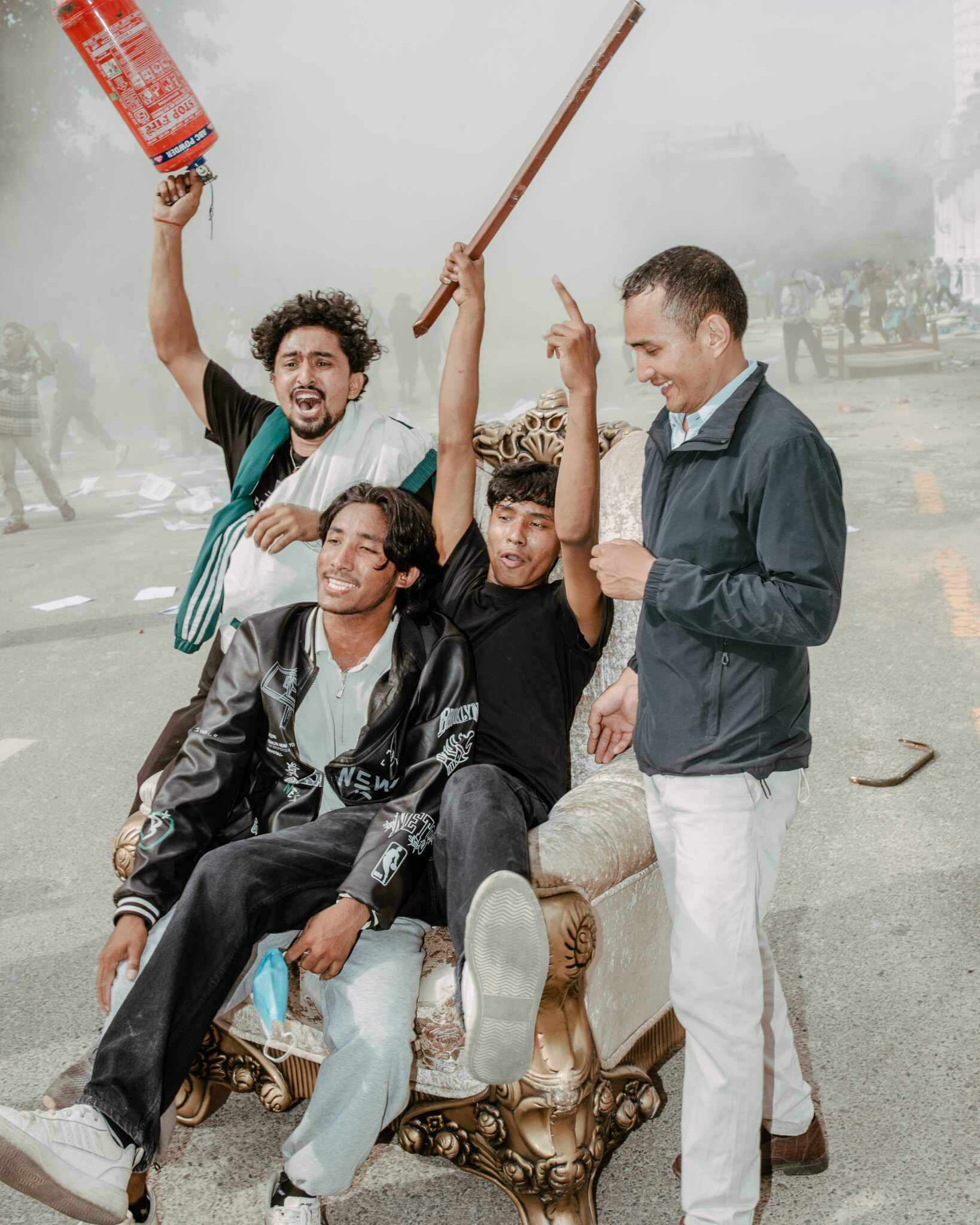
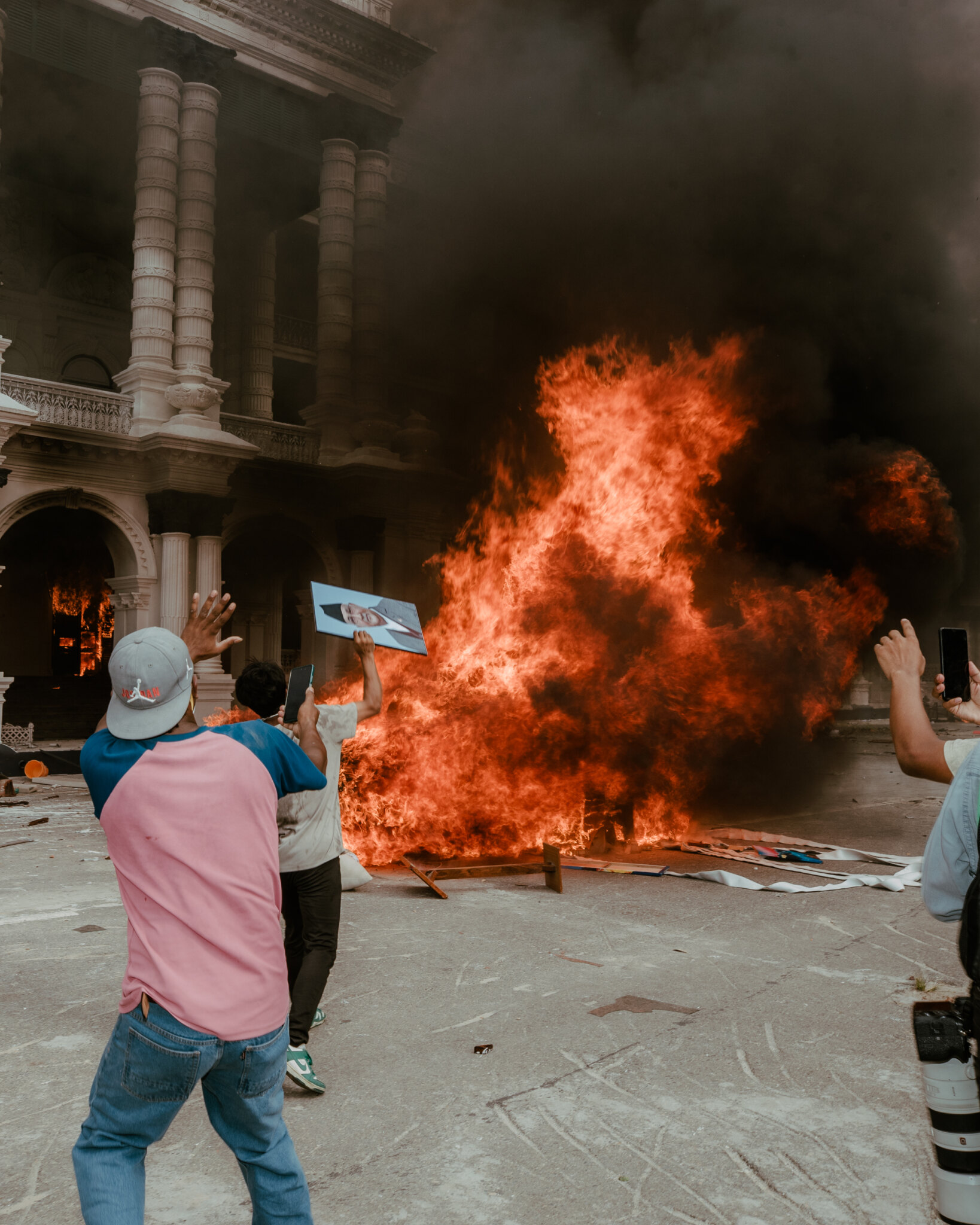
In Nepal in 2025, the immediate spark was a government ban on 26 social-media platforms. But the rage had been building long before Facebook and Instagram went dark. Online, a “Nepo Kid” campaign contrasted the extravagant lifestyles of politicians’ children with the prospects of ordinary young Nepalis, millions of whom see migration as their only route to a better life. Luxury cars, designer clothes: images meant to flaunt success became evidence of a rigged political system.
Then the protest moved from screen to street. Security forces opened fire. Young protesters were killed. Their faces immediately returned to social media as those of martyrs.

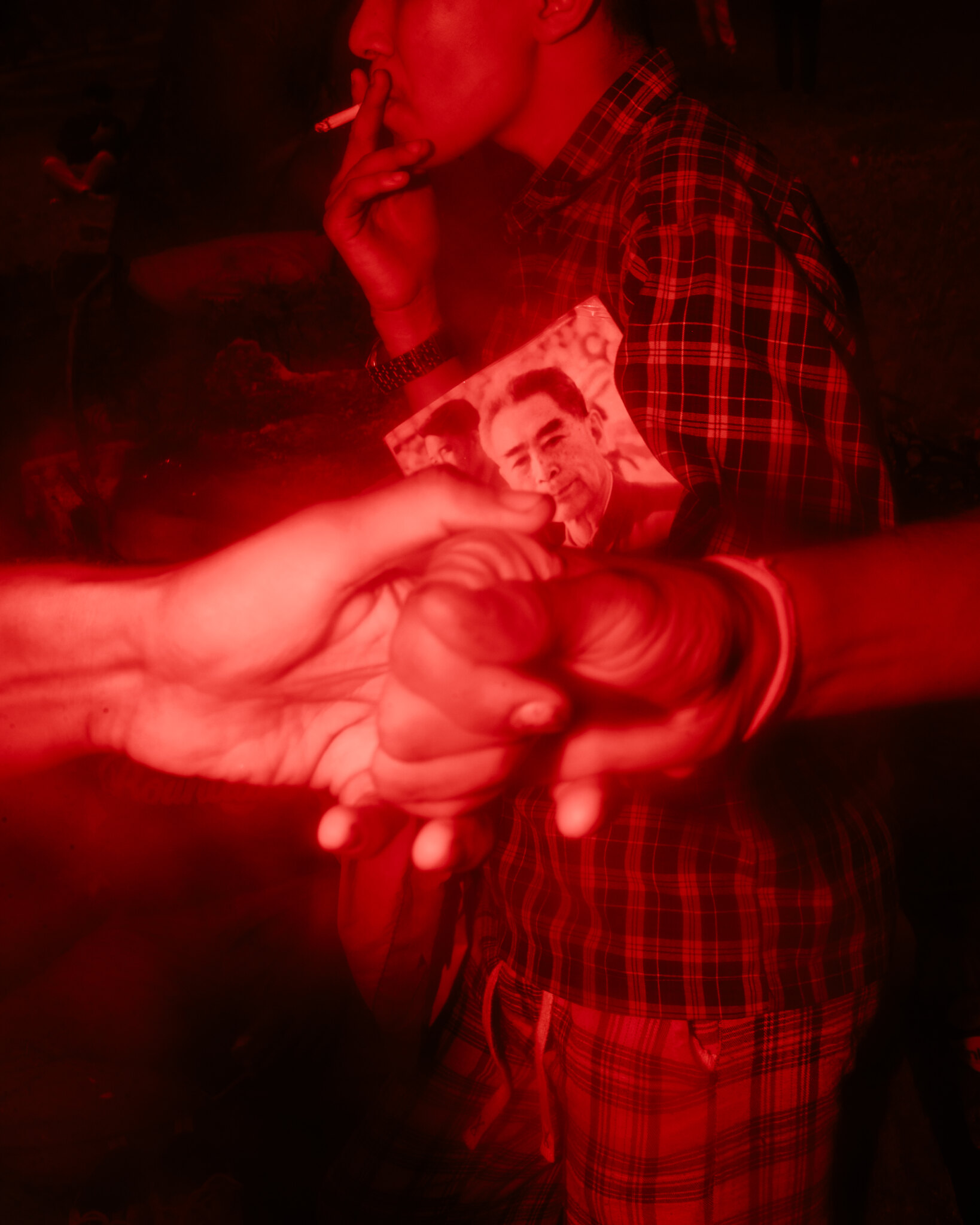
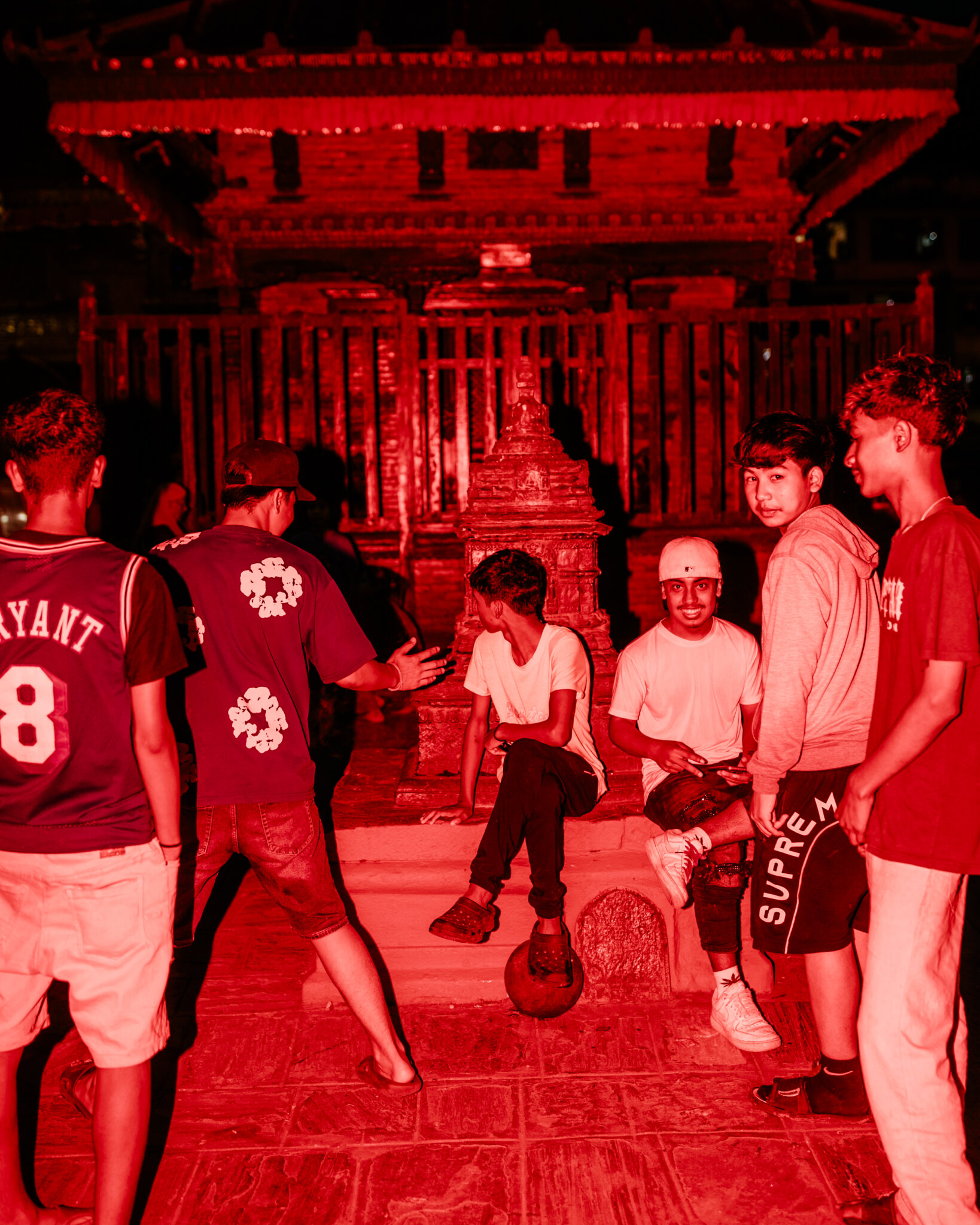
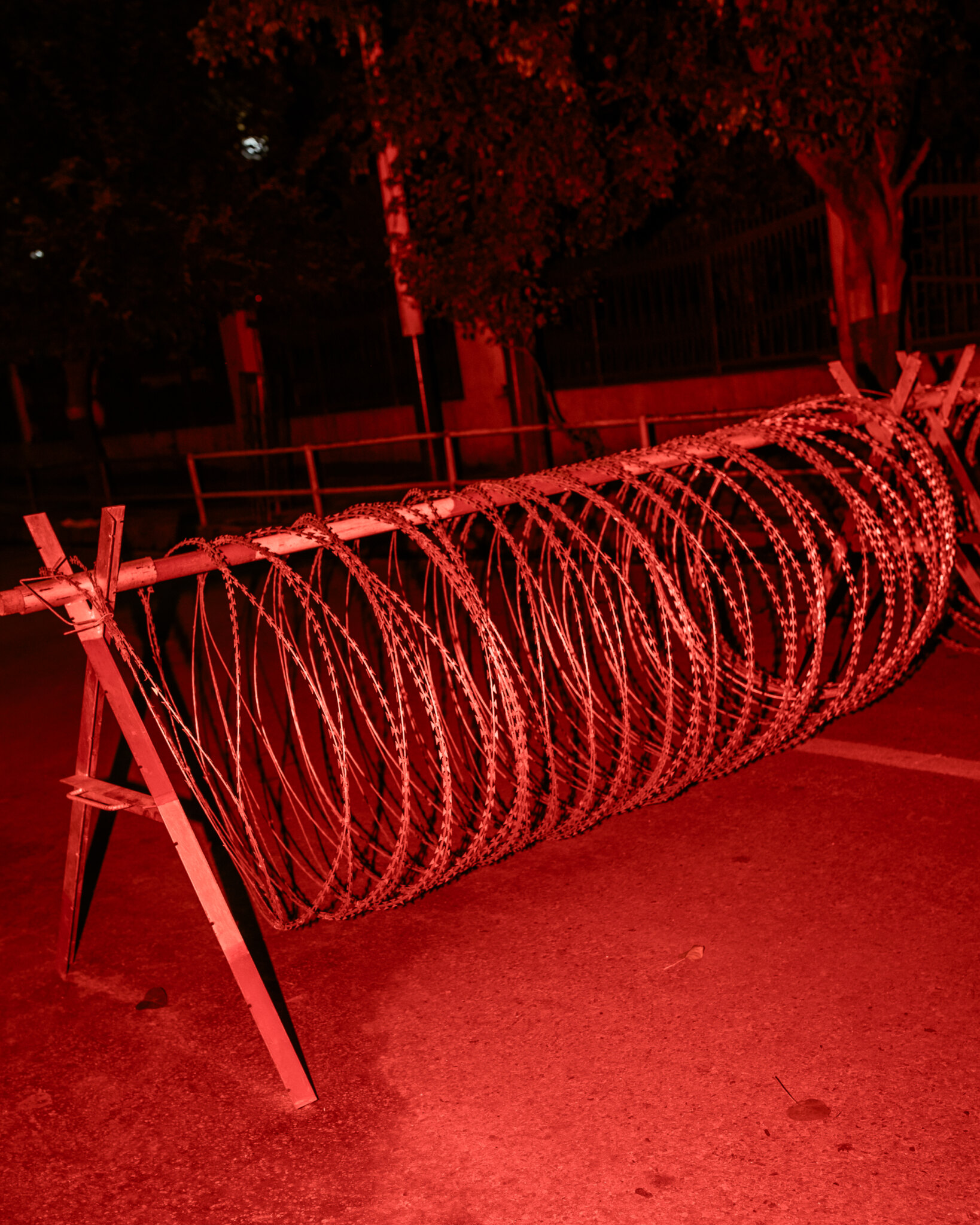
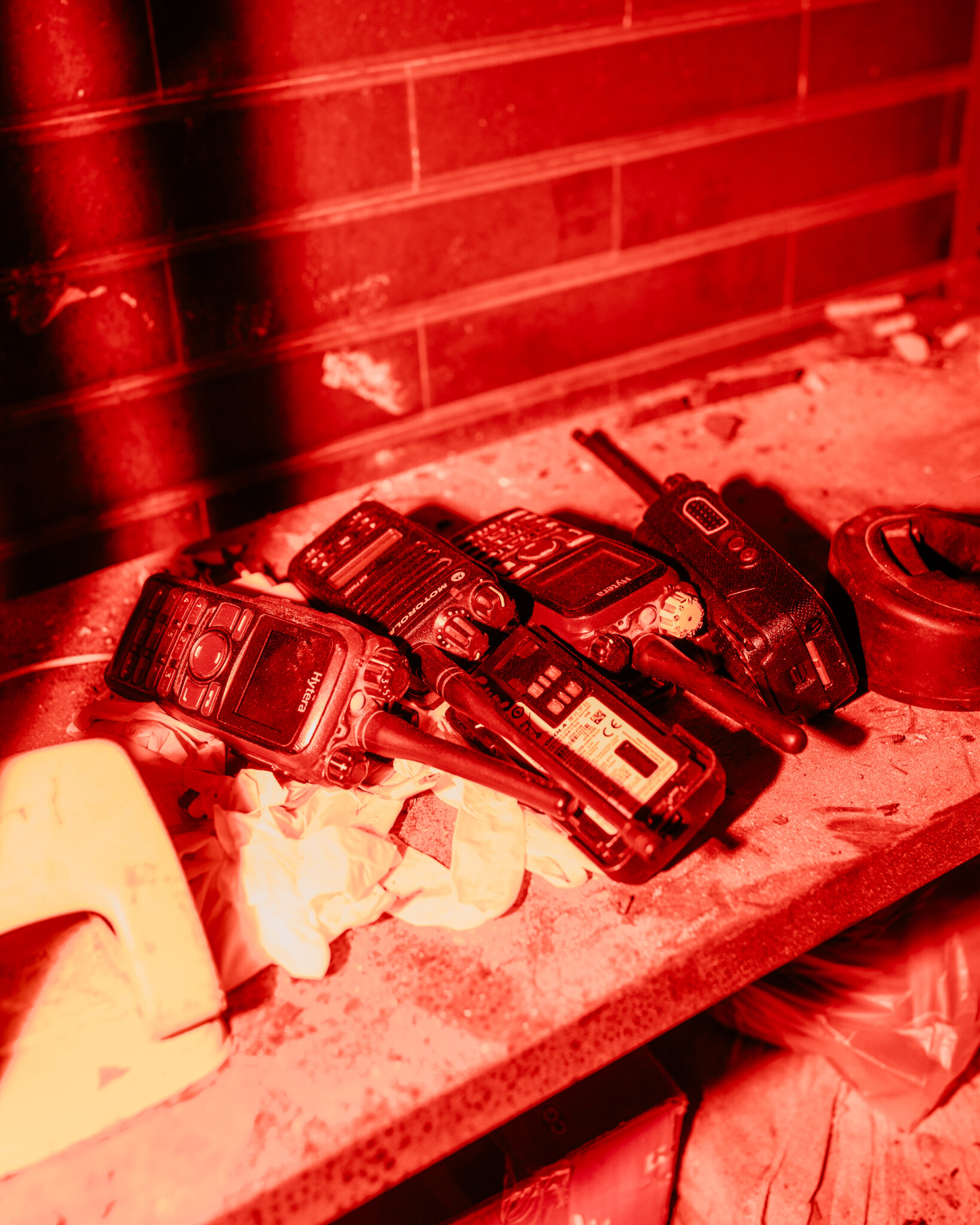
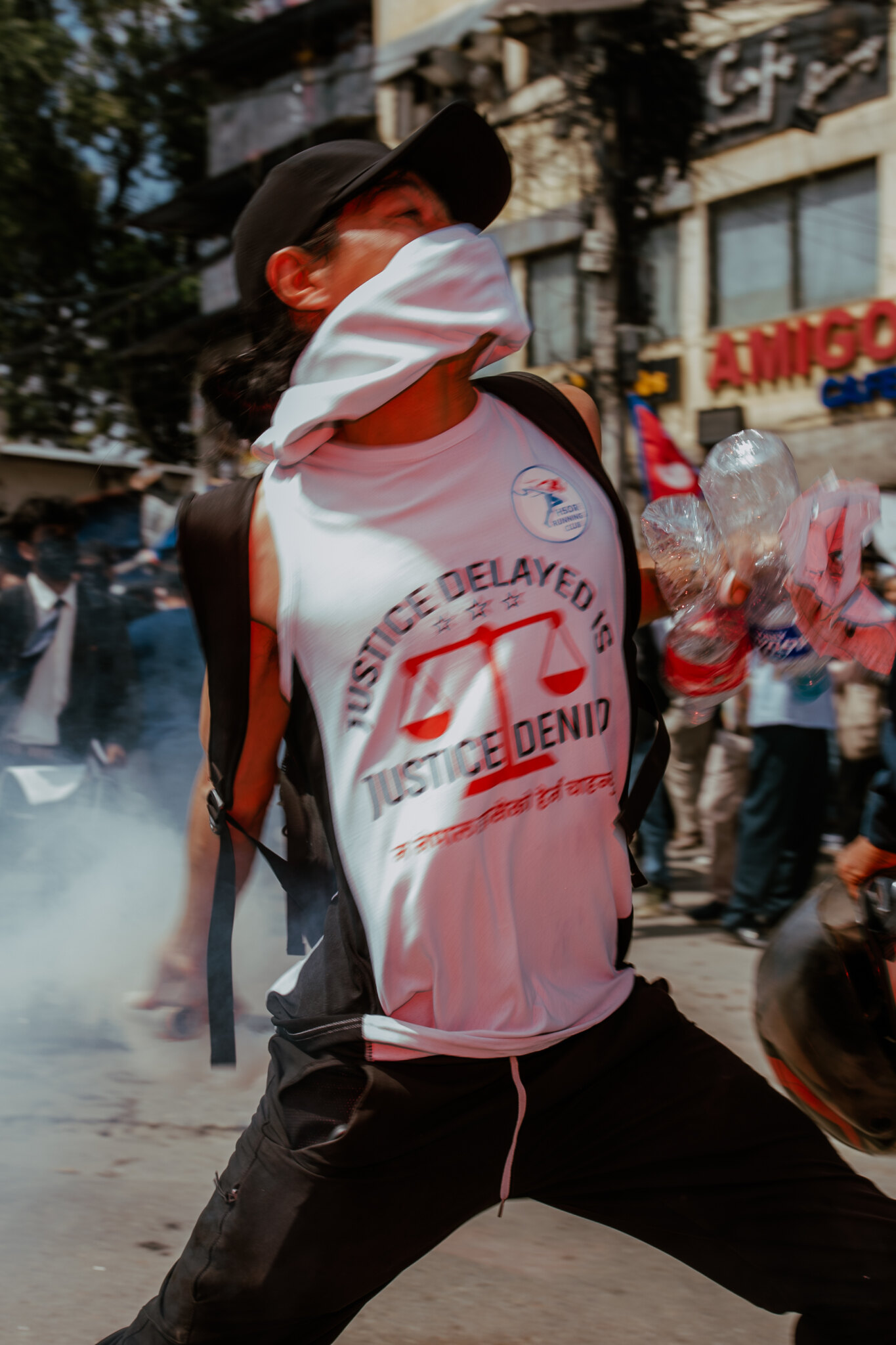
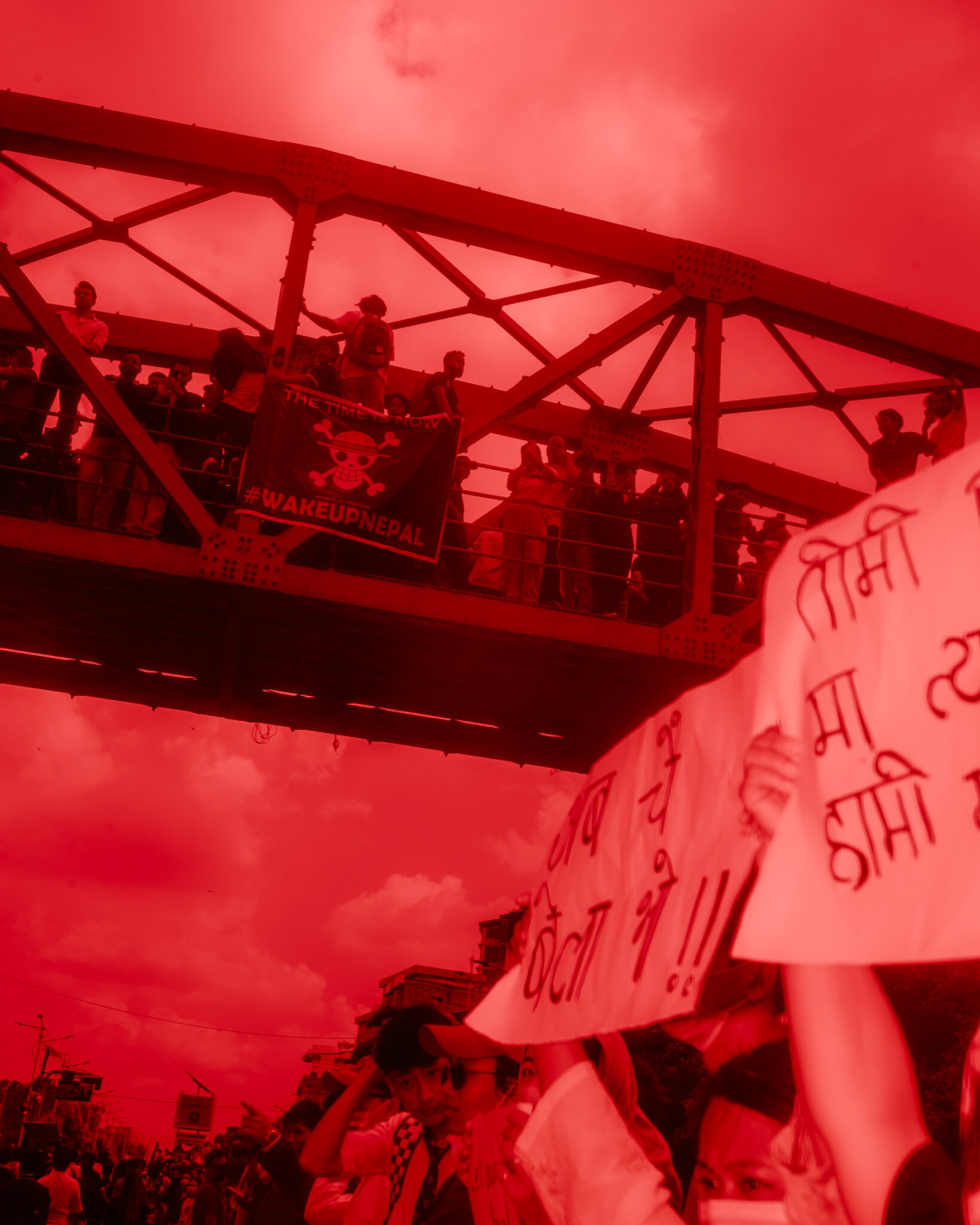
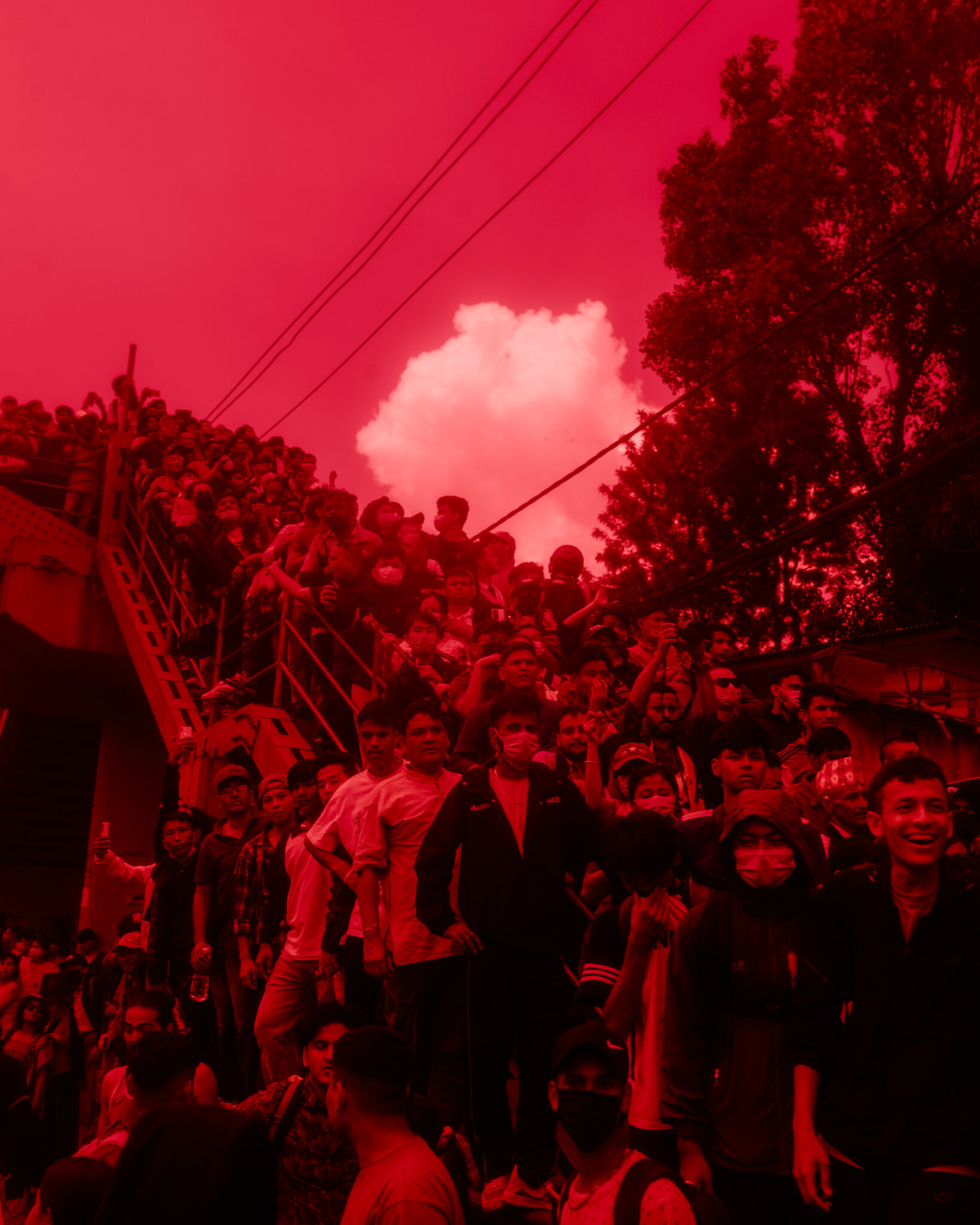
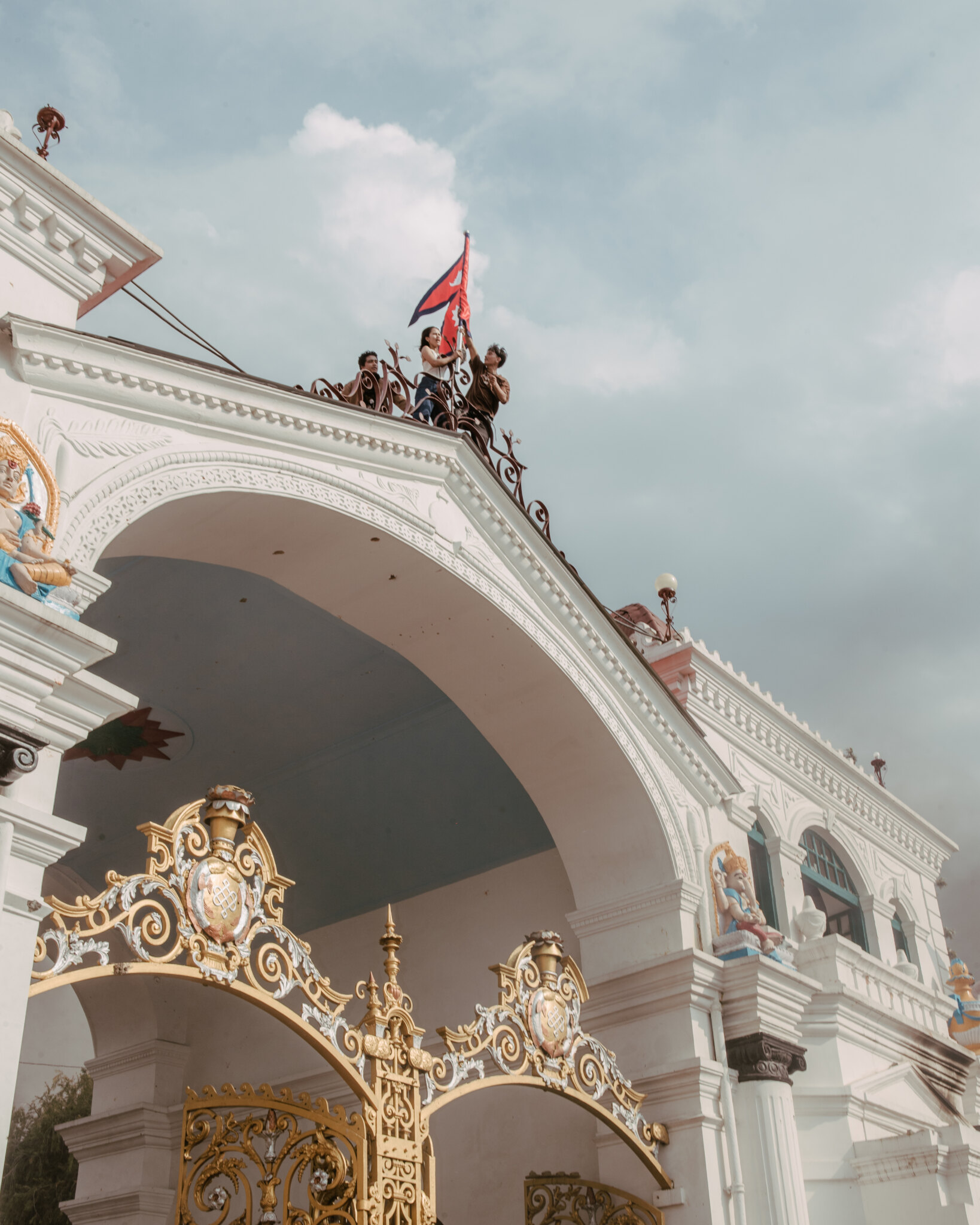
Bangladesh had undergone a similar acceleration a year earlier. What began as student opposition to quotas in government jobs became something much larger after violence against demonstrators. On 16 July 2024, Abu Sayed, a student at Begum Rokeya University, stood facing the police, his arms spread wide. He was shot dead. The images travelled instantly.
A human being dies.
An image takes on a political life of its own.
This is one of the defining shifts in the uprisings gathered here. The image no longer merely records the revolt. It becomes part of it, shapes it, prolongs it, launches it into the future.
To photograph, upload, repost or remix becomes a political act. Images tell people where to gather and show them what happened. They expose violence, give the dead an identity, ridicule authority and turn private anger into a collective experience. Their circulation is performative: to share an image is already to join the movement, a way to say: I stand with you.
With the images, the tactics of street protest travel too.
The Milk Tea Alliance first brought together young activists in Hong Kong, Taiwan and Thailand, before spreading to Myanmar and beyond. More than a formal alliance, it is a loose, pan-Asian network of resistance: young, digitally connected, steeped in pop culture, hostile to military rule and increasingly willing to challenge China’s dominance in the region.
Hong Kong became the laboratory for a new style of street protest. Protesters elsewhere borrowed its umbrellas, encrypted messaging apps and ways of disabling surveillance.
But its most influential contribution to the modern protest repertoire was borrowed from an unlikely political philosopher, Bruce Lee: “Be water.” Gather across the city. Converge. Never stay still long enough to be contained. Disperse before the police can close in, then surface somewhere else.
Fluid, elusive, always moving.
Symbols travel the same way. The Guy Fawkes mask travelled from a seventeenth-century English conspiracy through a graphic novel and Hollywood film to become a global face of dissent, from Occupy Wall Street to Gaza. Pop culture provides an endlessly renewable political vocabulary: Doraemon, dinosaurs and other cartoonish costumes turn up in demonstrations, using absurdity and humour to ridicule ageing elites and strip authority of its power.
Perhaps the most striking shared symbol of these revolts is the absence of a face.
The twentieth century gave revolution its portraits: Che Guevara, Nelson Mandela, Aung San Suu Kyi, leaders whose faces became almost inseparable from the struggles they embodied. Today, masks protect against cameras, facial recognition, arrest and retaliation.
Anonymity also carries a political idea: anyone can be behind the mask.
Leaderless leadership makes a movement harder to decapitate. Arrest one organiser and another account appears; remove one spokesperson and the crowd remains. The only recognisable faces are those of the martyrs, embodiments of revolutionary sacrifice.
A faceless revolution cannot be killed.
But that strength is also a weakness. A movement without a head can be hard to crush and harder to steer. Most youth uprisings fail.
But something survives and something is passed on. From one failure to another, tactics are refined, networks of solidarity grow. In real time, a shared history of Gen Z revolt is taking shape across streets and screens.
Every uprising already contains an image of the next.