
Damir Šagolj
Photographer - Director, WARM
PHOTOGRAPHY OF UPRISING, UPRISING OF PHOTOGRAP
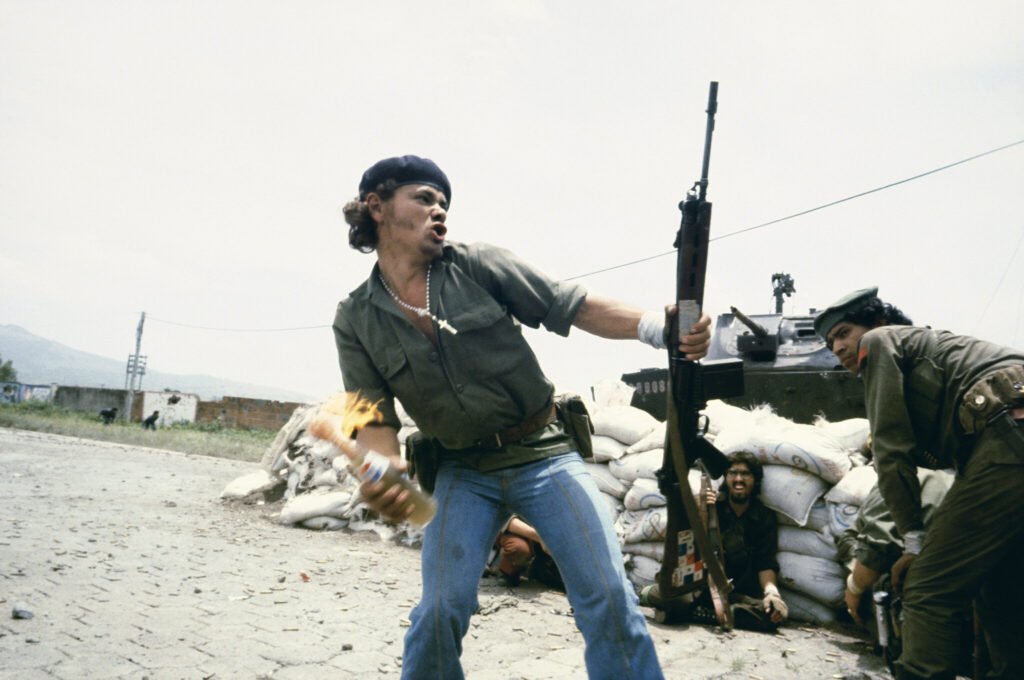
Text by Damir Šagolj, photo by Susan Meiselas
Just before she closes her eyes forever, as dark red blood spreads from her body across the hot Tehran asphalt, Neda Agha-Soltan looks into the camera. We do not know whether she sees the camera; we do not know whether she is conscious at all. But she looks straight into the lens, straight at us, as no one has ever looked at us while leaving this world.
The camera is on a phone. The phone is connected to the Internet. And the amateur footage will instantly go viral and enter history as one of the defining images of the Iranian people’s uprising against a repressive regime, especially of the struggle of its women and girls.
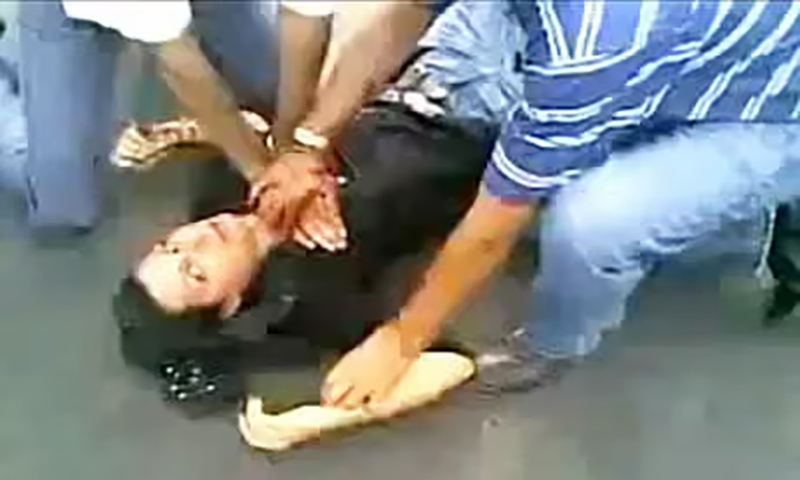
While many professionals and seasoned reporters gathered around Azadi Square and the other rallying points of the Green Movement in Tehran, in 2009, trying to document one of the most important uprisings of our time, the most iconic image of all was created by none of us.
It was made by someone, somehow, somewhere.
And yet we remember that image together with the moment we first saw it. We remember how it struck us then, and how it strikes us anew each time we see it again.
The footage of Neda Agha-Soltan’s death marks a turning point in the history of reporting from uprisings. Until then, the power to make an image that could move millions, perhaps even alter the course of a political movement, had largely belonged to professionals. Now it belonged to anyone with a camera and a connection.
For photographers of my generation, something fundamental had changed.
Neda’s direct gaze into the camera, breaking the fourth wall, makes it impossible for us to remain mere spectators; it turns us into accomplices. Some images stay with us like scars on our conscience, against which we measure every pain that comes after. Neda’s is one of them.
The tumultuous bond between photography and revolt had begun much earlier. Photography emerged at the same moment when modern, urban, popular uprisings were becoming central political events. From the beginning, photography and uprisings, revolutions and wars, were entangled in an exhilarating, troubled relationship.
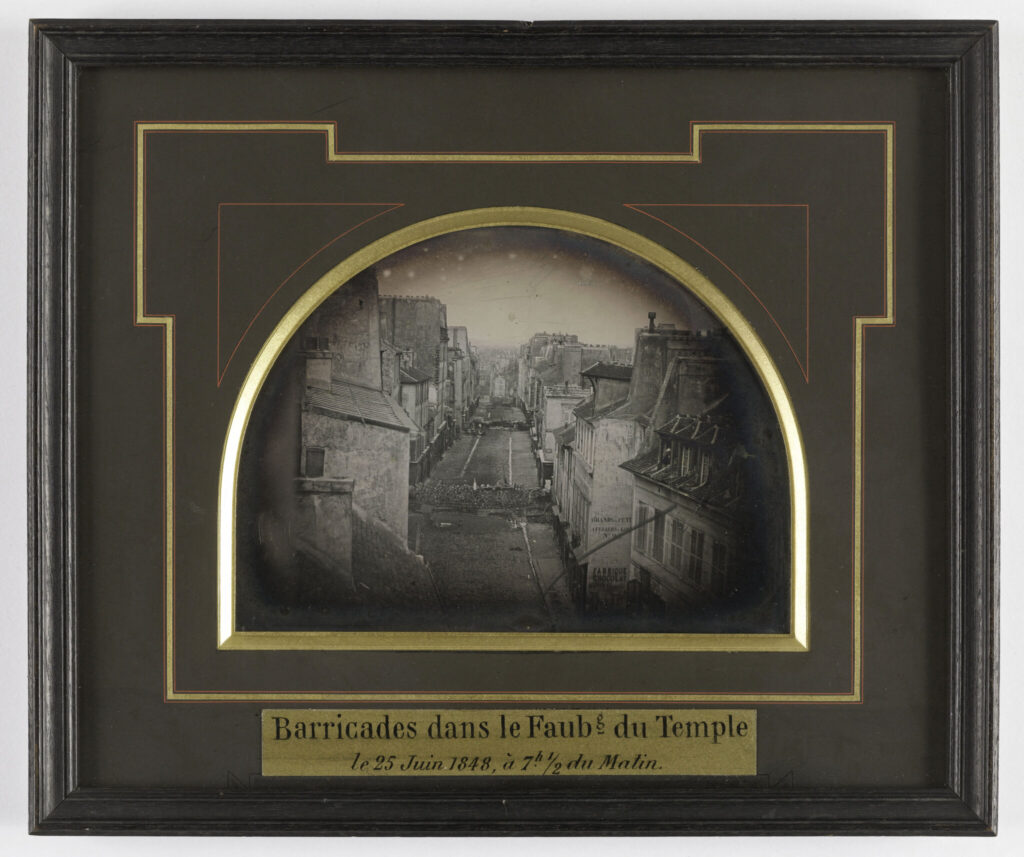
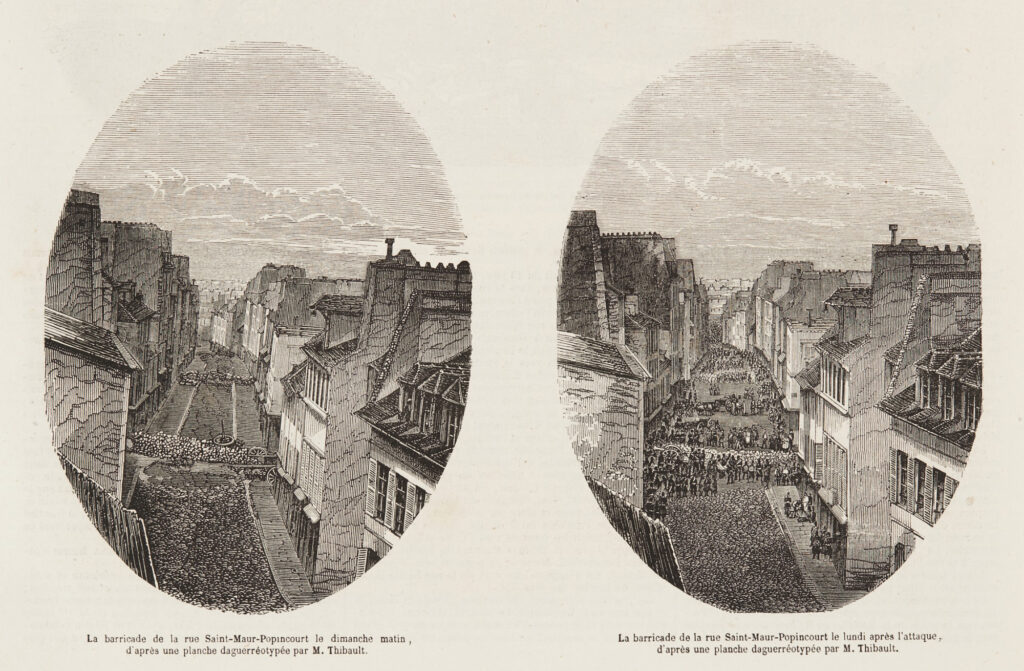
On the morning of 25 June 1848, towards the very end of the June Days uprising and shortly before the assault of the National Guard, Charles-François Thibault pointed a daguerreotype camera towards the barricades of the rue Saint-Maur-Popincourt in Paris. The resulting photograph is strangely quiet: two barricades, a flag, a solitary figure. There is none of the violence or immediacy we now associate with images of revolt.
Yet something had changed. For the first time, photography could bring us to the place where history was breaking.
A photograph demands presence. Someone has to be there. Someone has to stand close enough to what is happening, raise a camera and decide where to point it.
For more than a century, that physical fact gave photographers a particular role in uprisings and wars. We were witnesses. We brought back evidence.
But soon, those who rebelled began to understand that an image could do more than document an uprising. It could become part of its strategy.
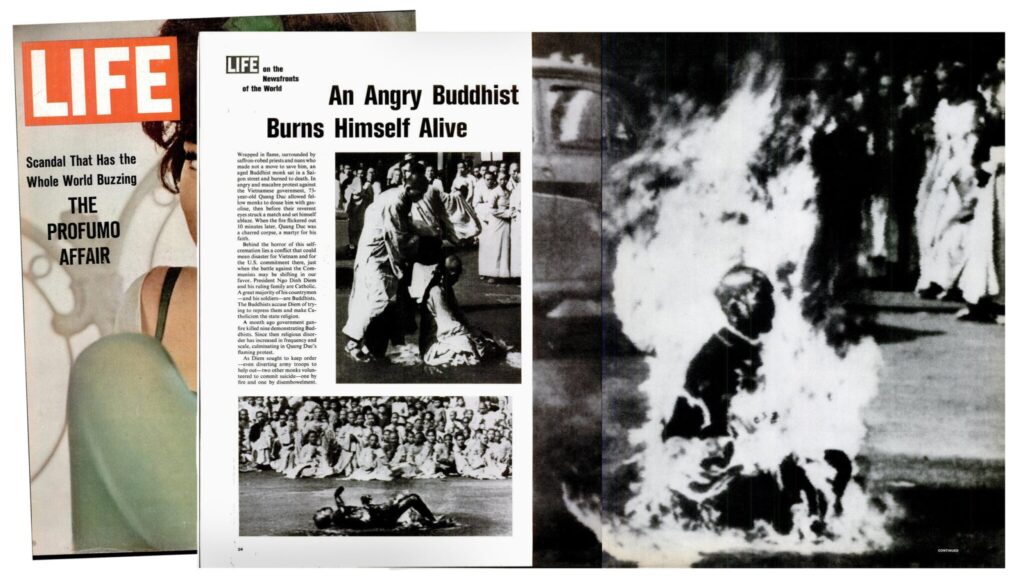
In Saigon in 1963, the Buddhist monk Thích Quảng Đức sat down in the street, crossed his legs and asked fellow monks to pour petrol over his body. Then he struck a match.
Journalists had been warned the night before that “something extraordinary” would happen. Malcolm Browne of the Associated Press came with his camera.
Quảng Đức was protesting against the persecution of Buddhists by South Vietnamese authorities. His gesture was not only meant to happen. It was meant to be seen. The camera was no longer an accidental witness to the uprising; it had been anticipated as part of the act itself. The image would carry the protest far beyond the street where it happened, turning one man’s act into a political event witnessed around the world.
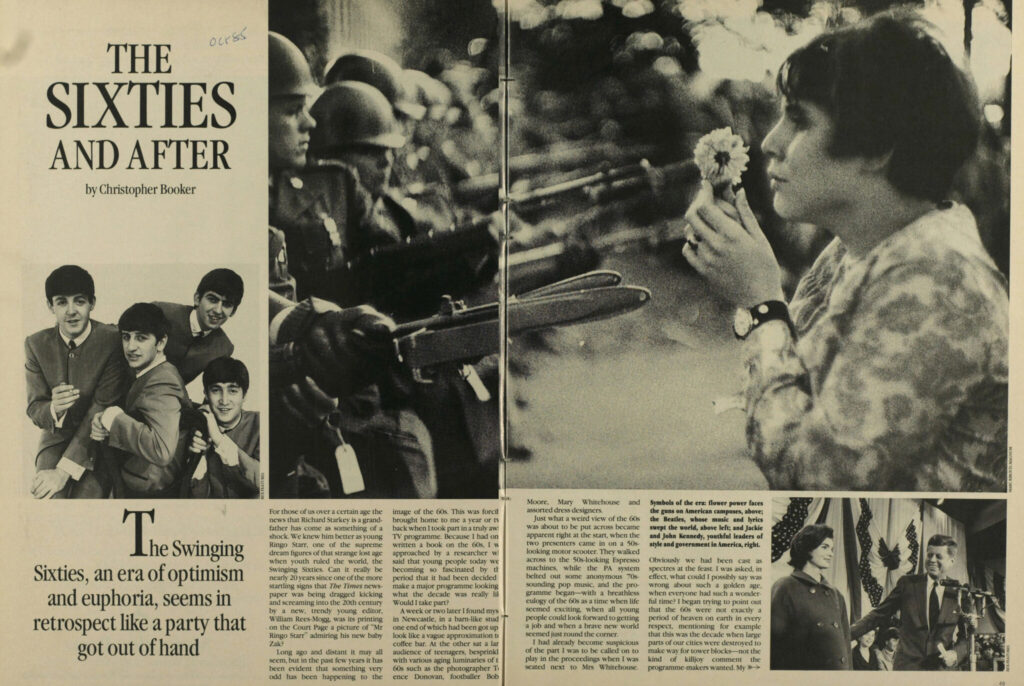
Four years later, outside the Pentagon, Marc Riboud photographed seventeen-year-old Jan Rose Kasmir standing before the bayonets of the National Guard with a flower in her hand.
It is an almost indecently simple photograph.
On one side: men, uniforms, rifles, bayonets.
On the other: one girl and one flower.
Force and vulnerability. War and peace.
There is no blood in the photograph. No barricade. Nobody dies. And yet it contains the threat of violence and the refusal to submit to it.
Perhaps this is what great photographs of uprisings do : take something vast and complicated – a war, a generation’s anger, a political struggle- and compress it into a gesture that anyone can understand in an instant.
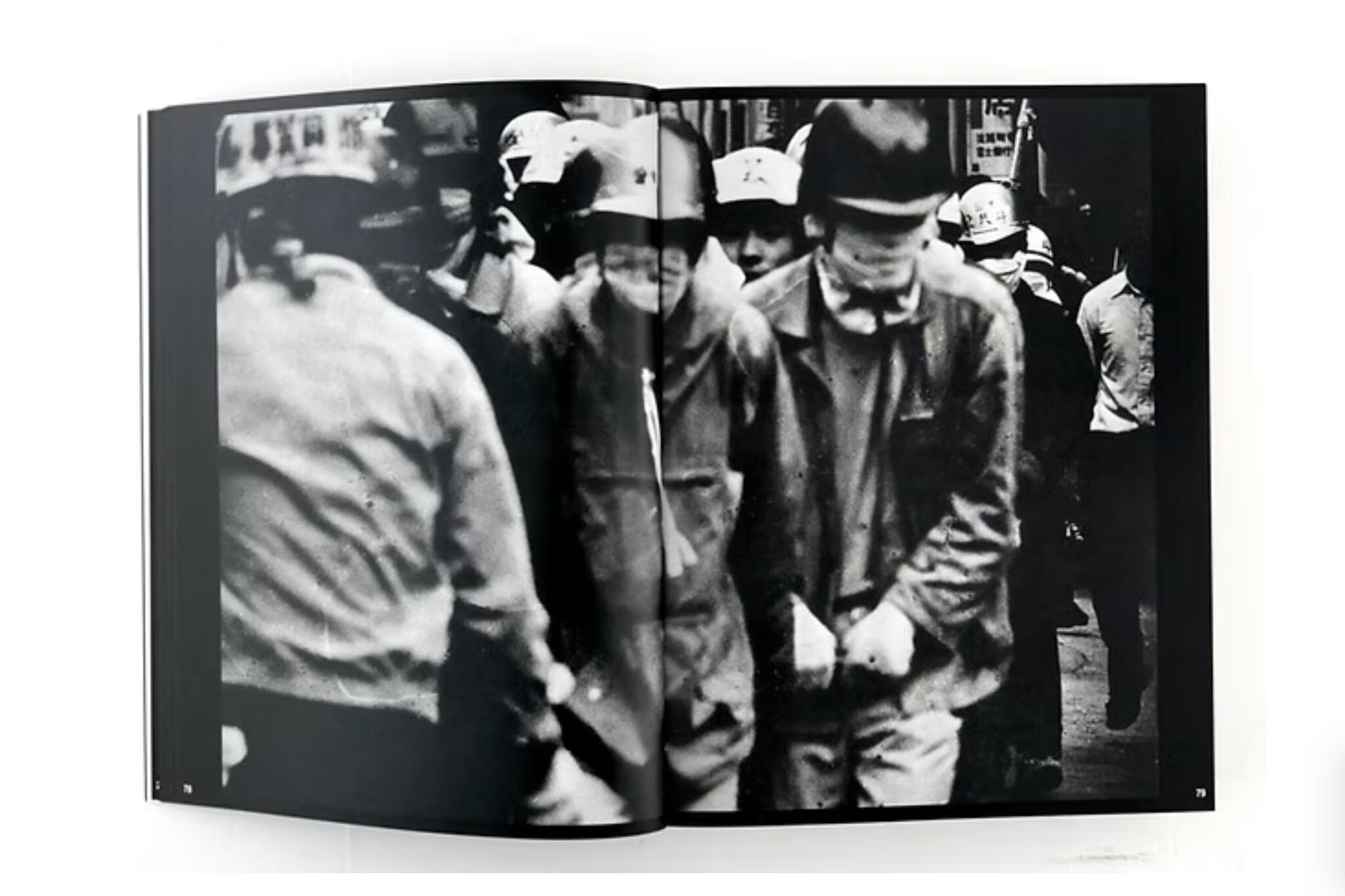
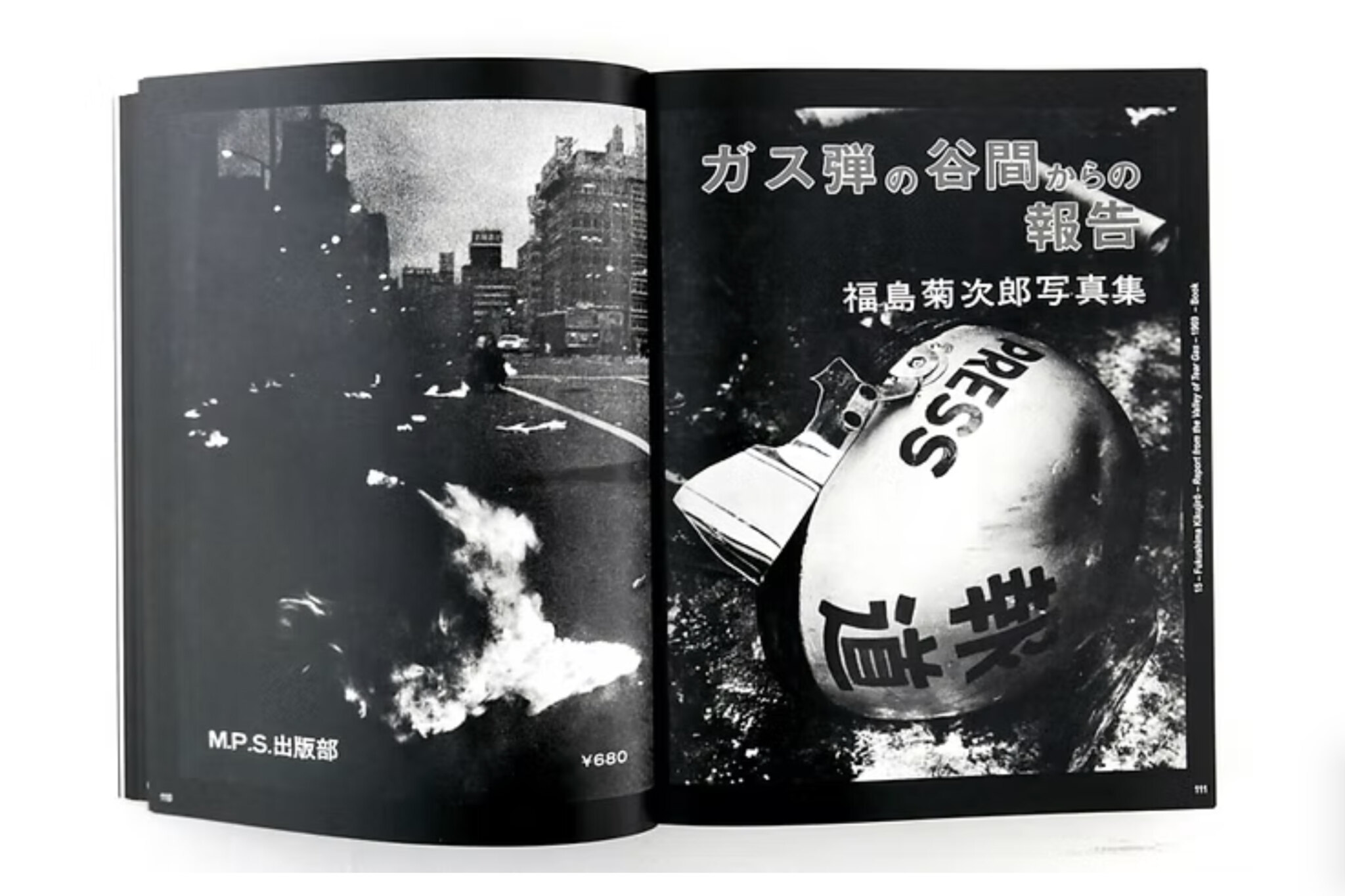
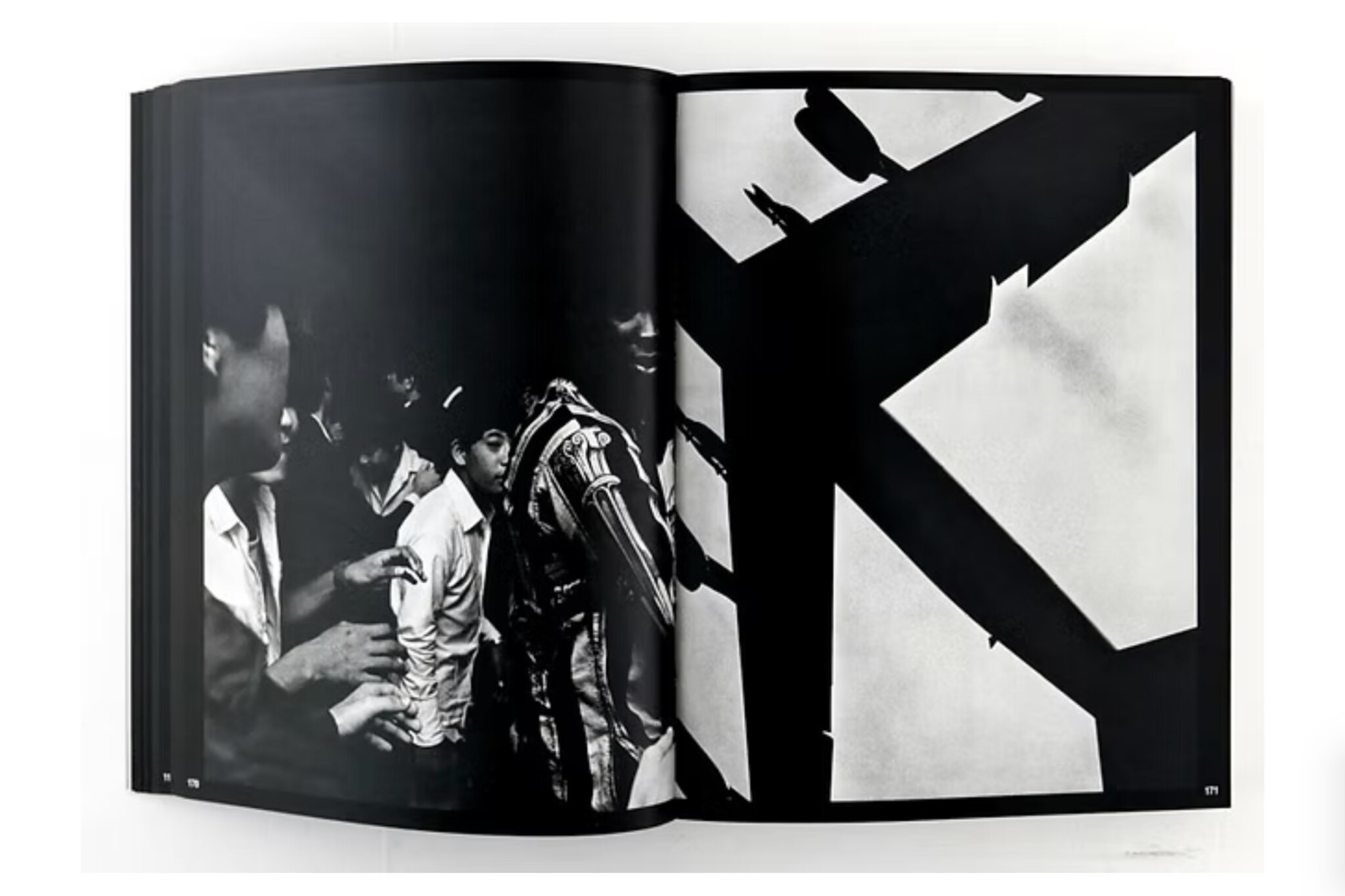
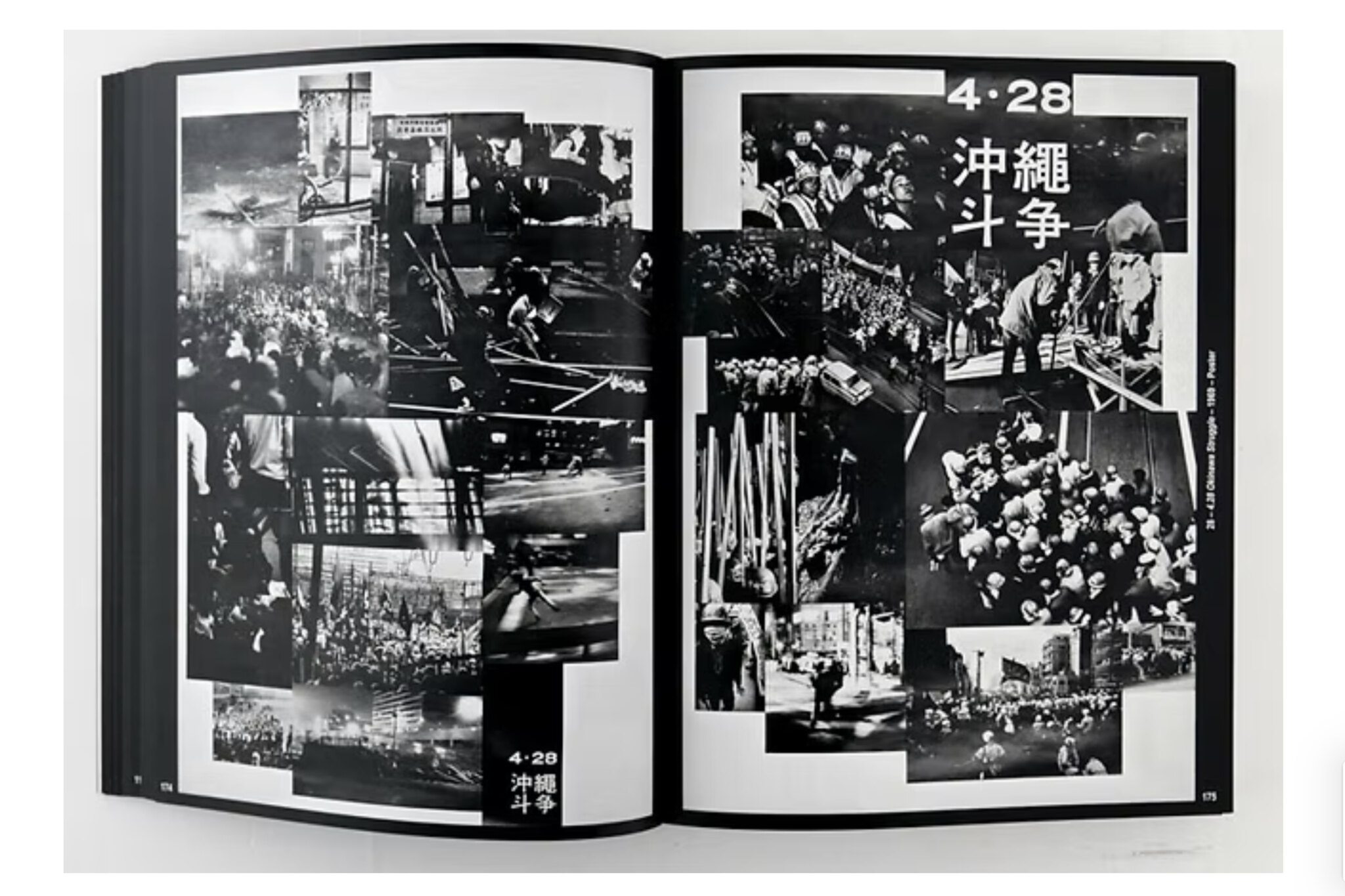
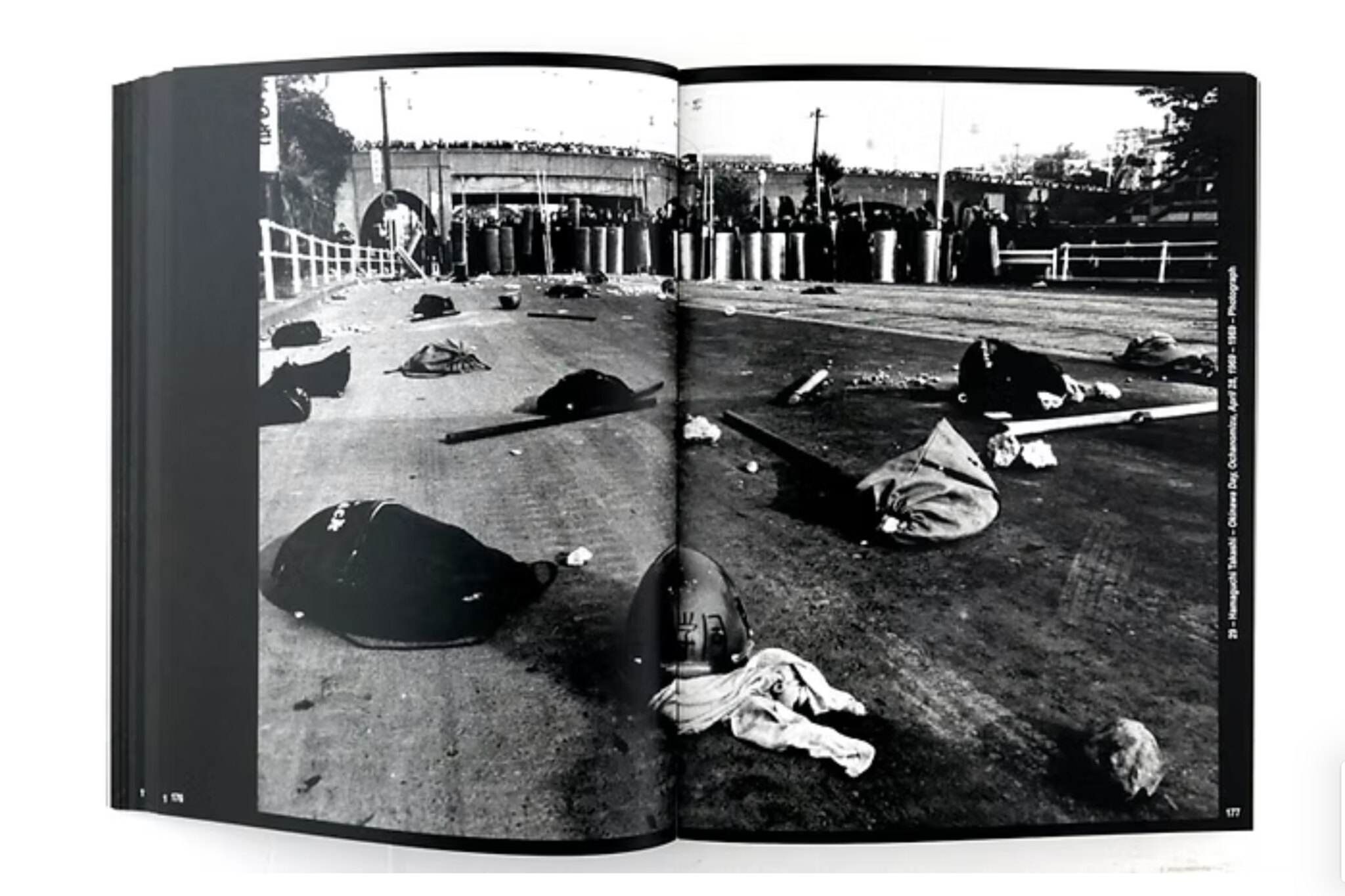
Thousands of kilometres from the bayonets of the Pentagon, in a world we knew very little about, another revolt was taking shape. In Japan, students, workers and trade unions took to the streets against the government, American military bases and the Vietnam War.
Activists began photographing the protests themselves and circulating their images through cheaply printed books and independent publications, bypassing the mainstream press. The radical magazine PROVOKE pushed this further: its grainy, blurred, chaotic photographs rejected not only the idea of the photographer as a detached observer, but the very visual language through which established media claimed to describe reality. If protesters no longer trust the institutions they are fighting, why should they trust those institutions, or the media around them, to decide what their revolt looks like?
More than half a century later, that question has returned with extraordinary force. Many protesters no longer see journalists as reliable witnesses of their movements. They film themselves, publish themselves and speak directly to their audiences, often convinced that mainstream media will misunderstand them, distort their motives or show only the violence of the protesters, not the violence which produced it. The difference is that what required underground magazines and printing presses in 1968 now requires only a phone.
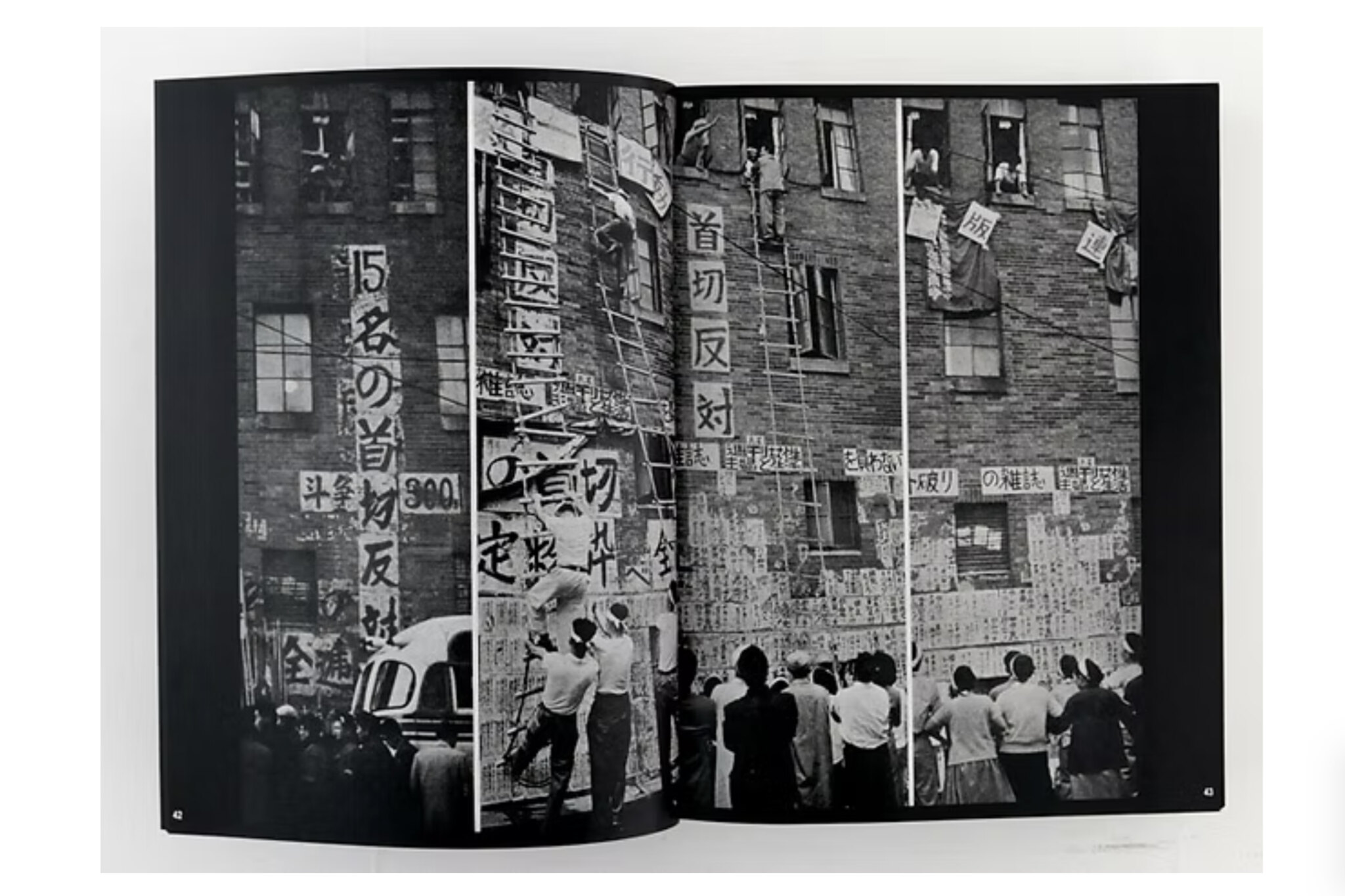
But making your own image is one thing. Controlling what happens to it afterwards is another.
In Nicaragua in 1979, Susan Meiselas photographed Pablo “Bareta” Aráuz as he prepared to hurl an improvised incendiary bomb at the National Guard. His body is taut, a rifle in one hand, a Pepsi-Cola bottle transformed into a weapon in the other.
The photograph became known as Molotov Man.
The insurgent is not a victim. He is a fighter.
His side wins. The Somoza dictatorship falls, the Sandinistas enter Managua, and Molotov Man becomes an image of revolution and victory.
Then something extraordinary happens to the photograph.
It escapes.
It appears on posters, murals, T-shirts and political propaganda. It ceases to belong entirely to Susan Meiselas, to Bareta, even to the particular instant in which it was made.
Almost forty years later, in 2018, Nicaraguans rise again, this time against Daniel Ortega, one of the leaders of the revolution that Molotov Man had come to symbolise. A new photograph appears of a protester in almost exactly the same pose. The two images begin circulating together.
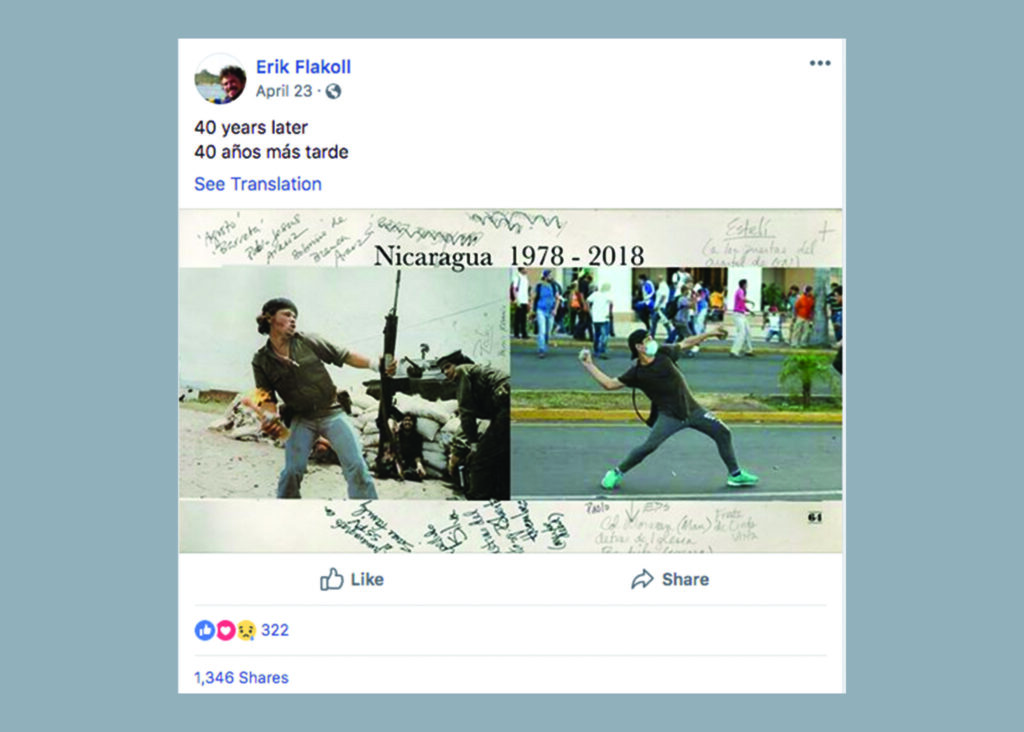
The photograph of one revolution has returned as an image of revolt against what that revolution became.
This is what happens to powerful images. Once released into the world, they acquire lives of their own. They change context, generation, sometimes even sides. They wait in our collective memory until history gives them another meaning. What survives in them is often something more elemental than the cause itself: the moment when a human being decides to resist.
Perhaps no photograph reduces that decision to a simpler gesture than the image we know as Tank Man.
On 5 June 1989, the day after the violent suppression of the protests around Tiananmen Square, an unidentified man carrying two white shopping bags walked onto the Avenue of Eternal Peace and stood in front of a column of tanks.
He knew what those tanks had done and he did not move.
The photograph alone does not quite show the determination of his act. The video does. Every time the tank tries to go around him, he steps into its path again. At one point he climbs onto the tank and appears to speak to the soldiers inside, then climbs down and stands in its way once more.
Rationally, the act is futile. One small man cannot defeat a column of tanks. But he can halt it for a moment. And that is exactly what he does.
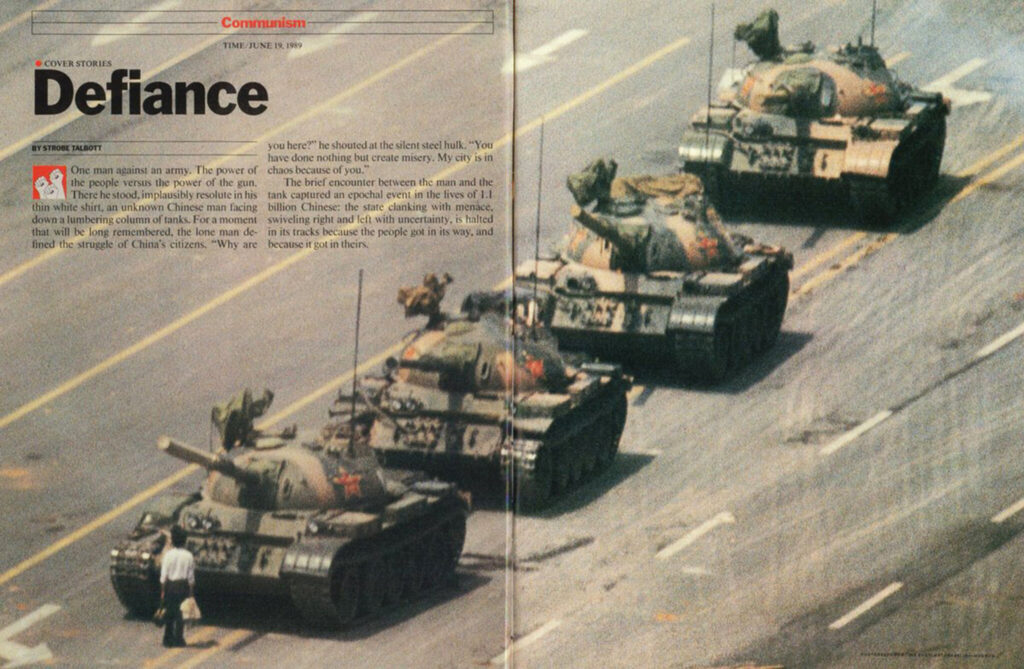
Perhaps it is precisely in that futility that the image finds its greatest power. What would happen if every small man managed to halt the force of repression, even for his own three minutes?
The image did not travel easily. The film had to be physically carried out of the Beijing Hotel. One roll shot by AP photographer Jeff Widener was hidden in a student’s clothing and smuggled out by bicycle.
The picture had to escape before the authorities could stop it.
Twenty years later, Neda’s image needed none of that.
No newspaper. No agency. No editor. No roll of film to smuggle through a checkpoint.
In little more than 160 years, we had travelled from Thibault’s copper plate in Paris, which had to be engraved before it could be published, to an image made in a Tehran street that reached the world before professional photographers standing only a few streets away even knew it existed.
Something disappeared along the way: the clear line separating photographer, witness and participant.
But the old cat-and-mouse game remains. Power tries to control what we see. The uprising tries to produce an image that can no longer be taken back or ignored.
And perhaps that is why it does not matter so much that we do not know the name of the man with the shopping bags. We do not know where he came from, where he was going or what happened to him after he disappeared into the crowd. We do not even know whether, that morning, he considered himself a protester.
We know only that, for a few minutes in June 1989, he decided not to step aside.
The uprisings in these photographs are separated by decades, continents and causes.
A barricade raised in Paris. A body set alight in Saigon. A flower held before the bayonets in Washington. A Molotov cocktail thrown in Nicaragua. A man standing before a tank in Beijing.
Different acts. Different risks. Different histories. But each marks the moment when resistance stops being a position and becomes an act.
This is where photography is crucial. It seizes that moment and refuses to let it disappear. It carries an act of resistance beyond the street, beyond its time, beyond those who were there. Compelling us, in turn, to decide where we stand.