

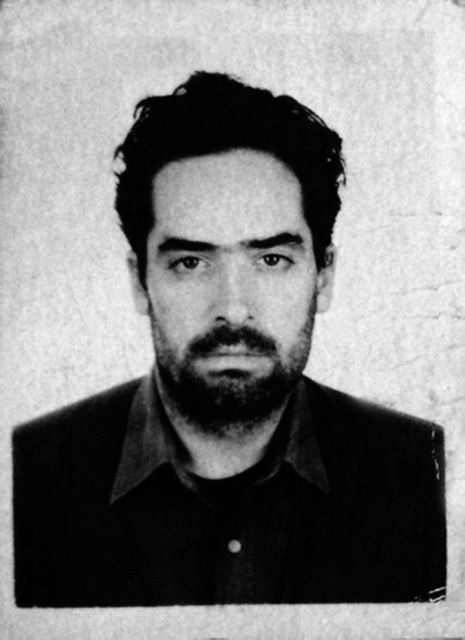
Thomas Dworzak
Photographer, Magnum
Shahr-e-Farang
By Thomas Dworzak
The Shahr-e-Farang is a Persian-Iranian picture-viewing device dating from the late Qajar period of the 19th century and remaining in use through the early Pahlavi era of the 20th century.
Its name translates as “Foreign Cities.” Traditionally mounted on a cart and pulled by a young boy, it was a familiar attraction at fairs, parks, bazaars, and other public gatherings.
For a small fee, viewers could peer inside to see photographic transparencies depicting distant places and landmarks, offering glimpses of the wider world, including the Eiffel Tower in Paris, Big Ben in London, the Colosseum in Rome, and many other destinations.
This contemporary version was built by Mr. Eslami in Tehran in 2025.
Given the urgency of events in Iran, Thomas Dworzak has chosen, as part of the “Uprisings” project, to present a selection of social media screenshots documenting the protests of January 2026 and their brutal repression by the Islamic Republic inside this device. These photographs cannot be publicly exhibited or published in Iran and exist only in this space.
With traditional photographers and journalists unable to cover the events on the ground, and prohibited from doing so, protesters and ordinary citizens became the only witnesses and documentarians of the demonstrations and their brutal, bloody repression.
Their documentation became particularly significant during the near-total internet blackout that lasted for several weeks.
Despite facing extreme personal risks—including arrest, violence, surveillance, and other forms of retaliation—citizens used their phones and social media platforms to record demonstrations, encounters with security forces, injuries, deaths, and the devastating consequences of the crackdown, which reportedly resulted in more than 40,000 deaths.
These screenshots constitute fragments of a contemporaneous record created by people who experienced the events firsthand. Produced under conditions of censorship and severe restrictions on the circulation of information, the images offer the only glimpse into the protests and their aftermath – from the perspective of those who were present and become the visual archive of the January 2026 uprising.