
The Spirit of Maidan
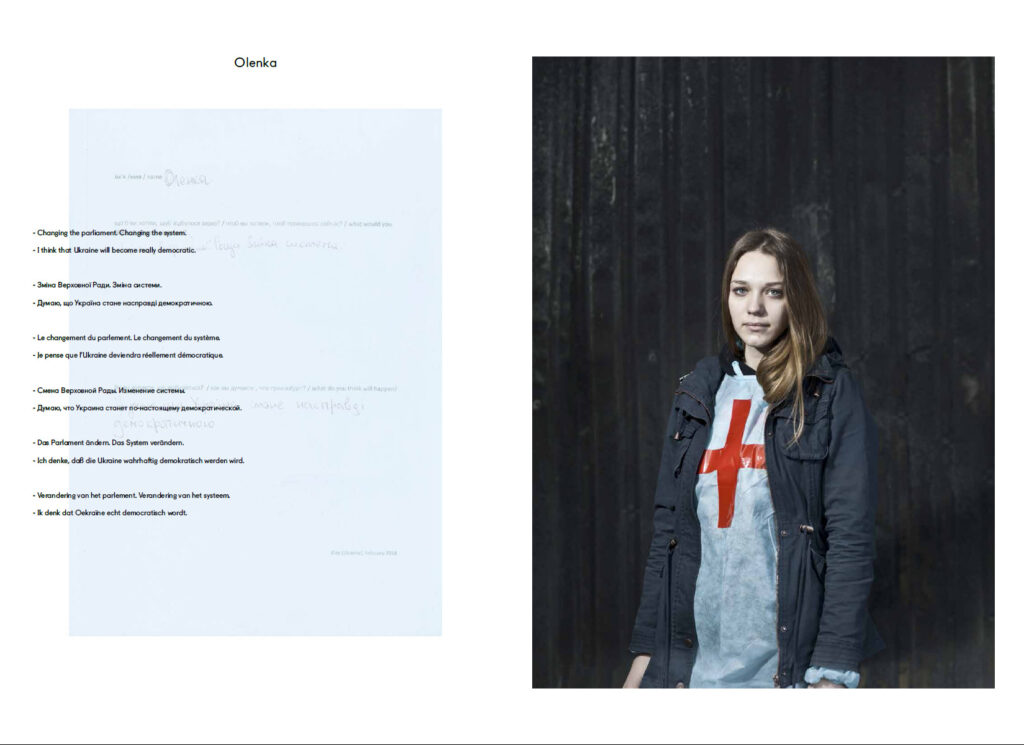
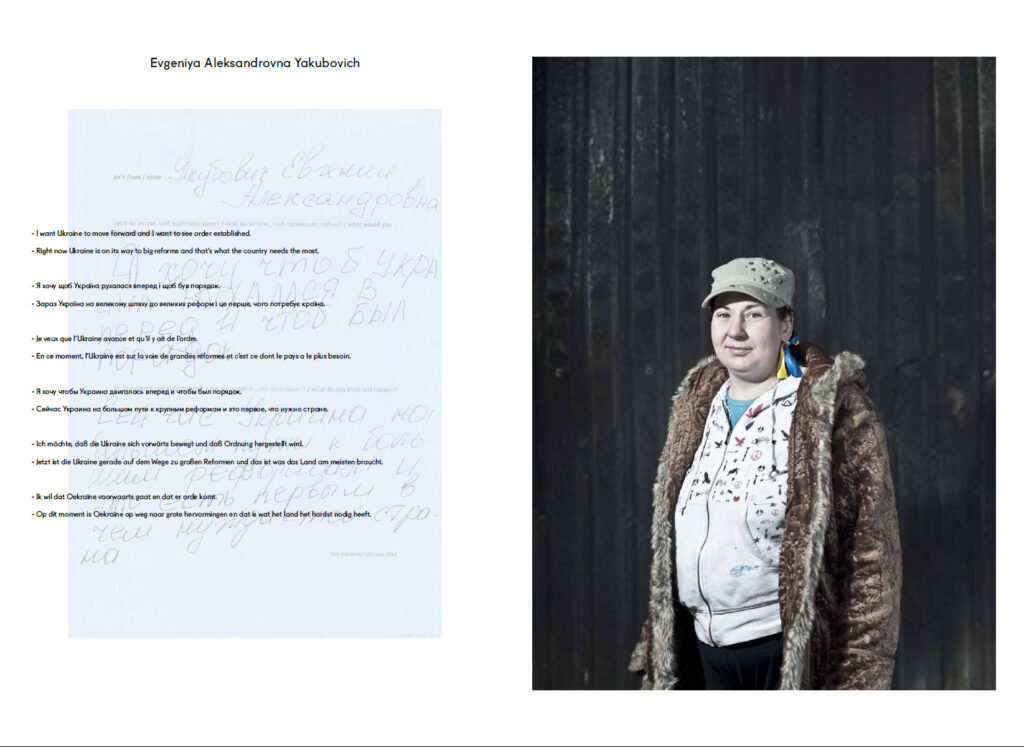
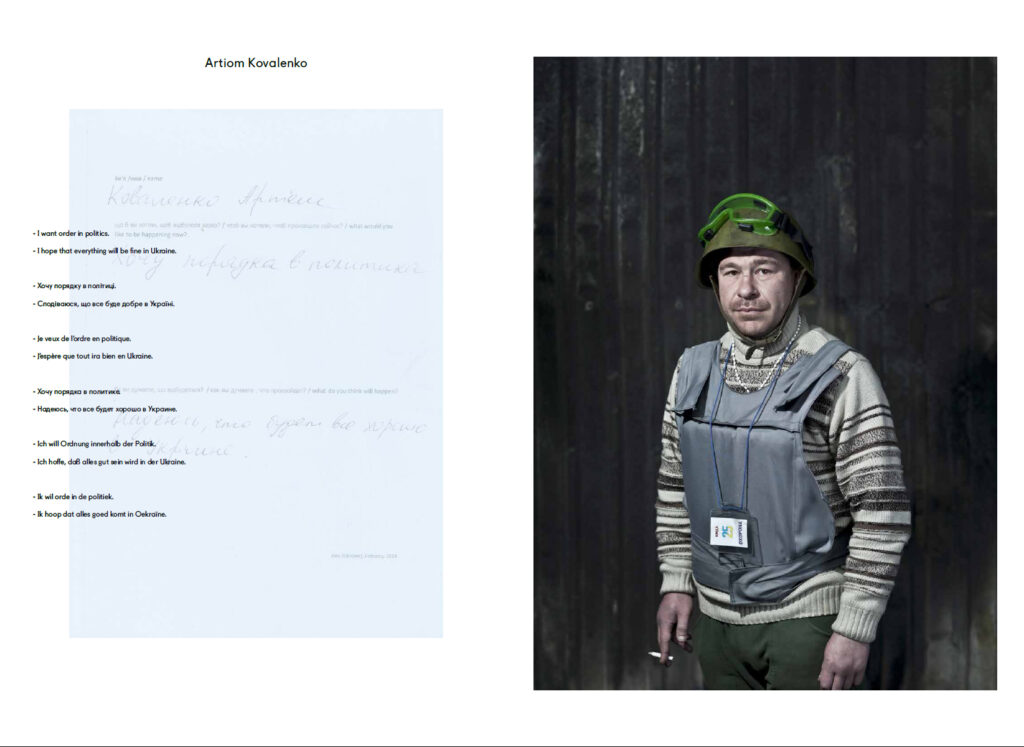
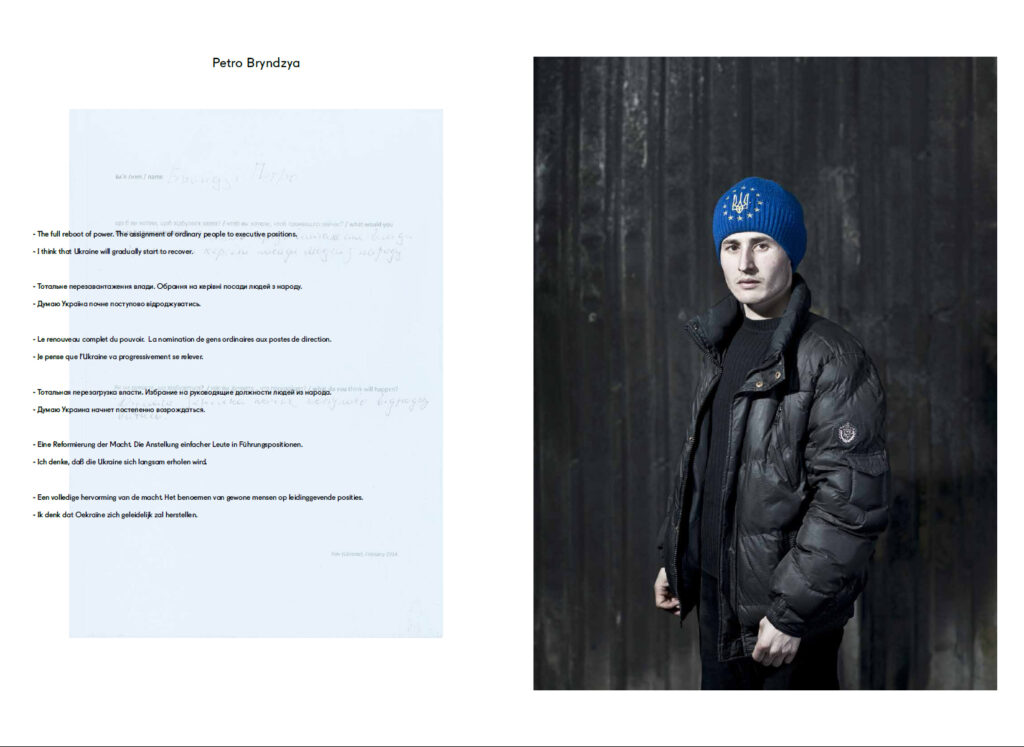
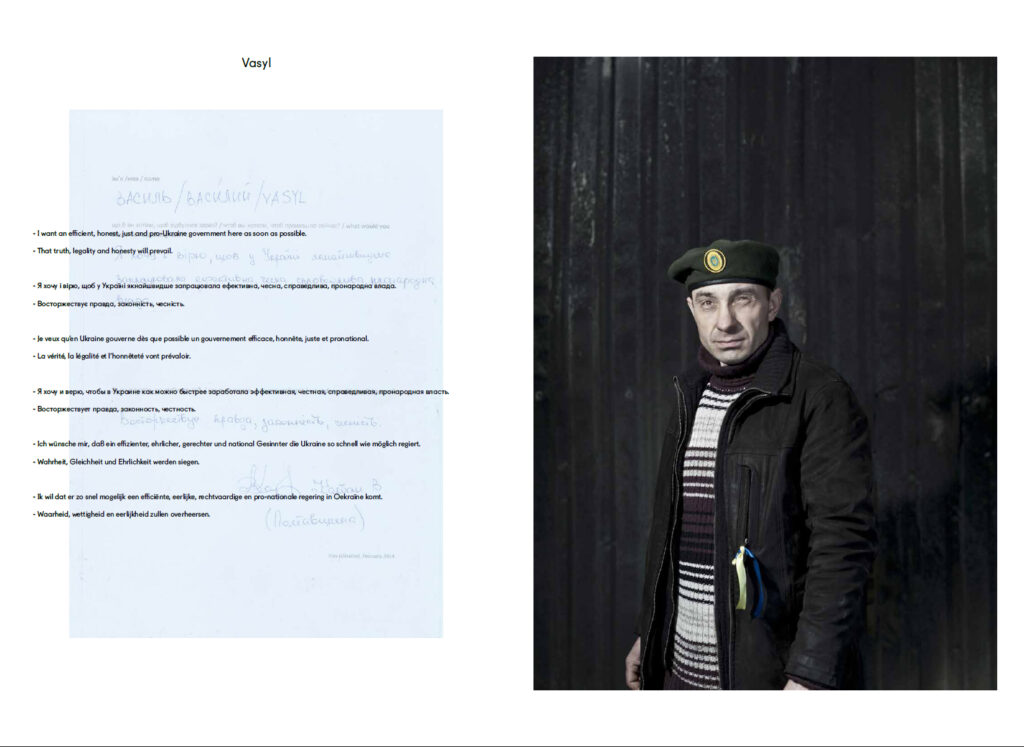
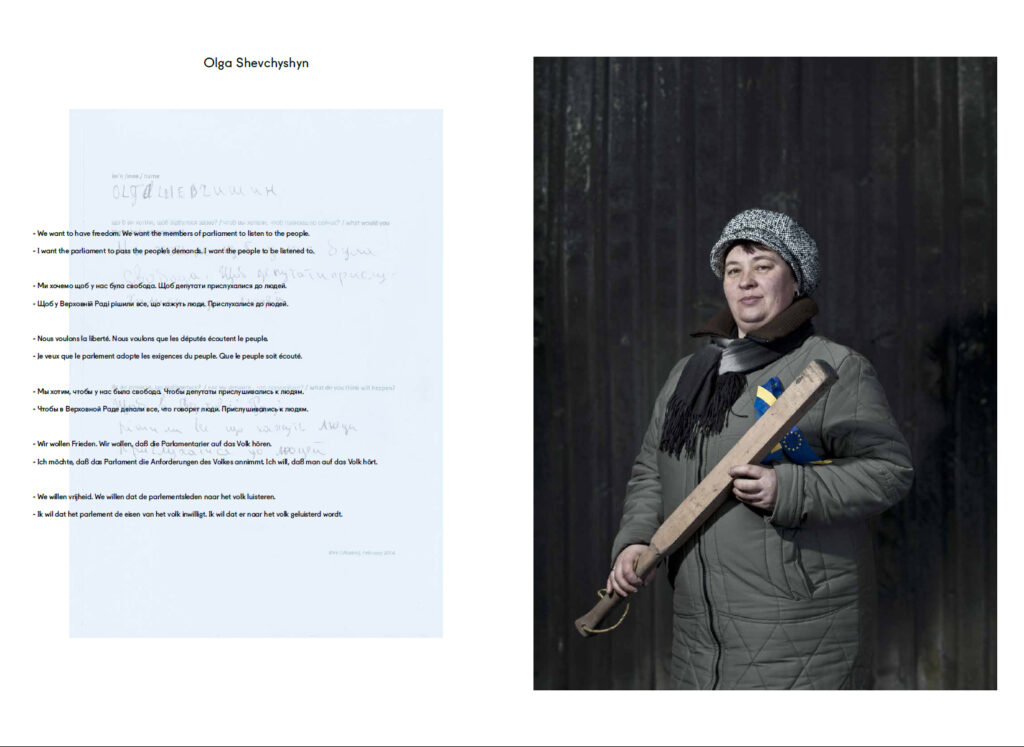
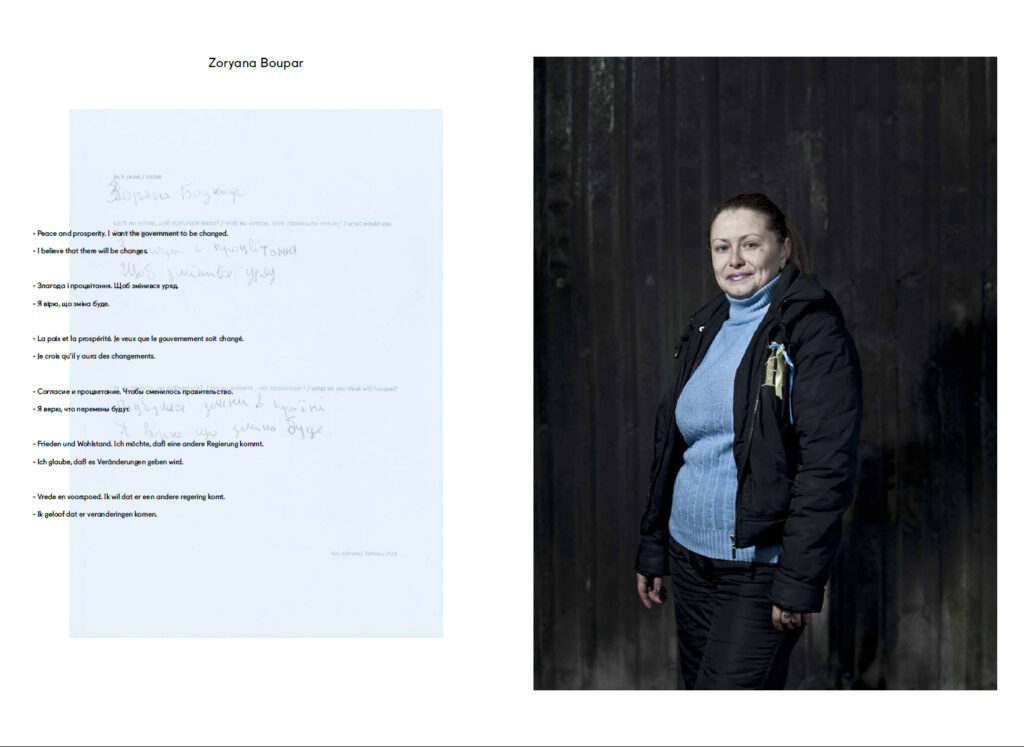
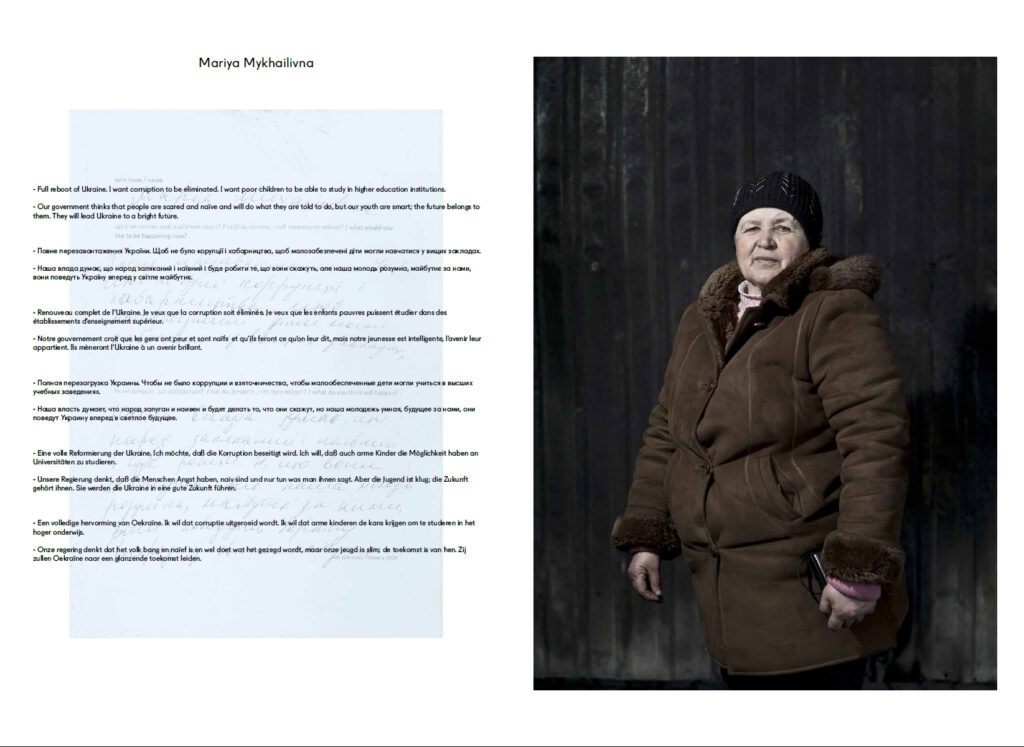
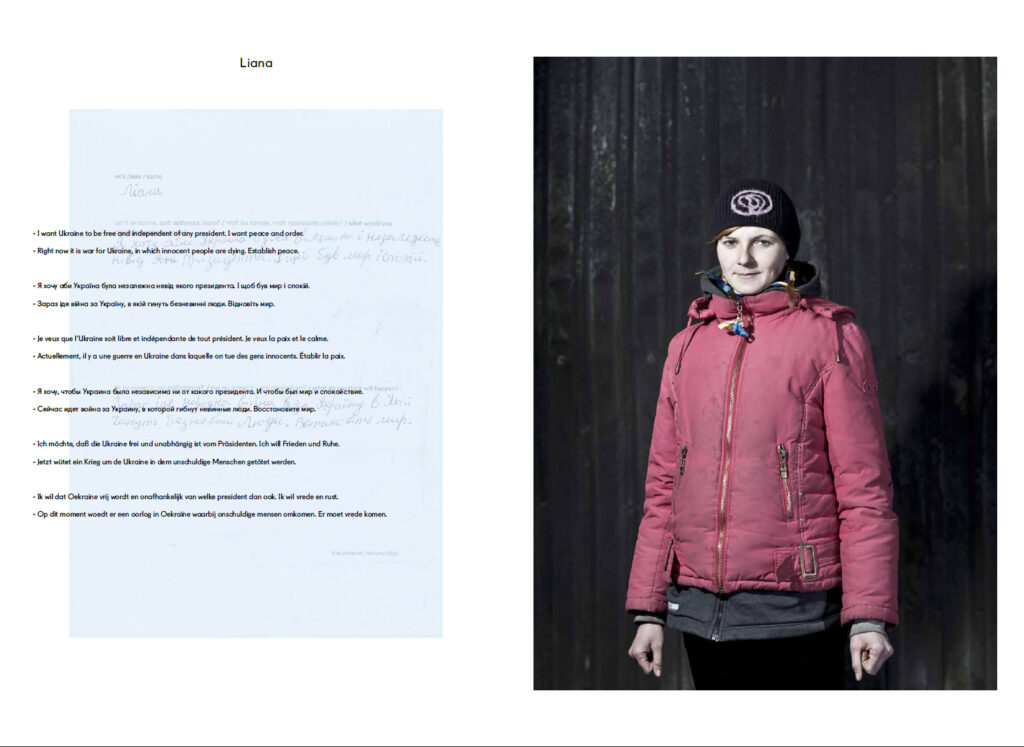
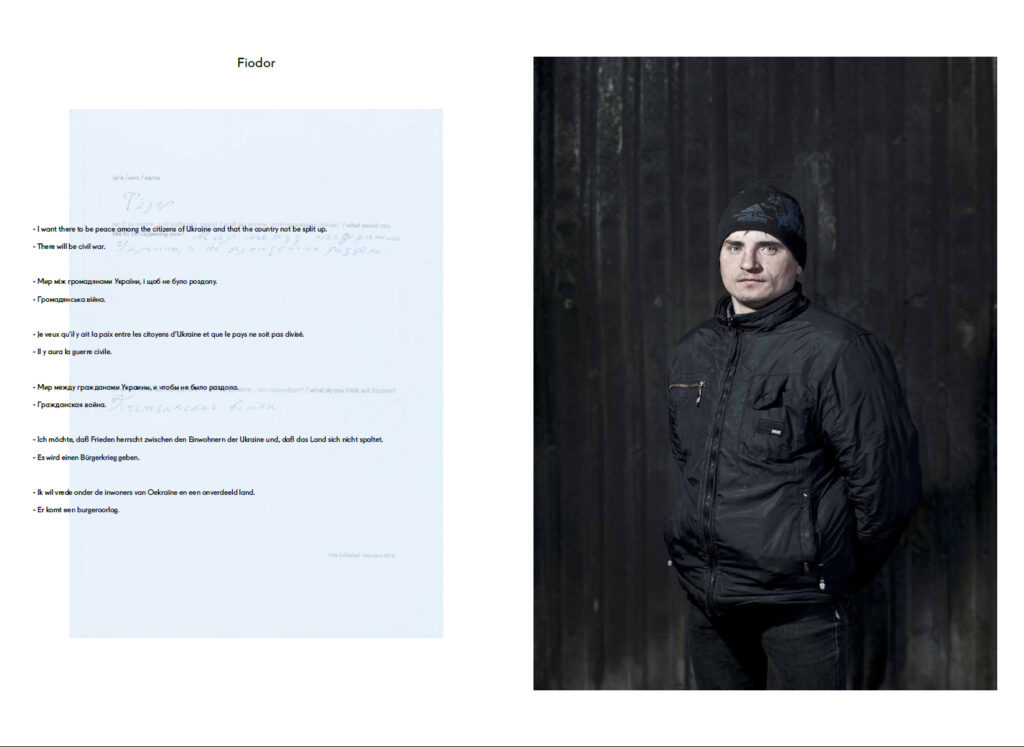
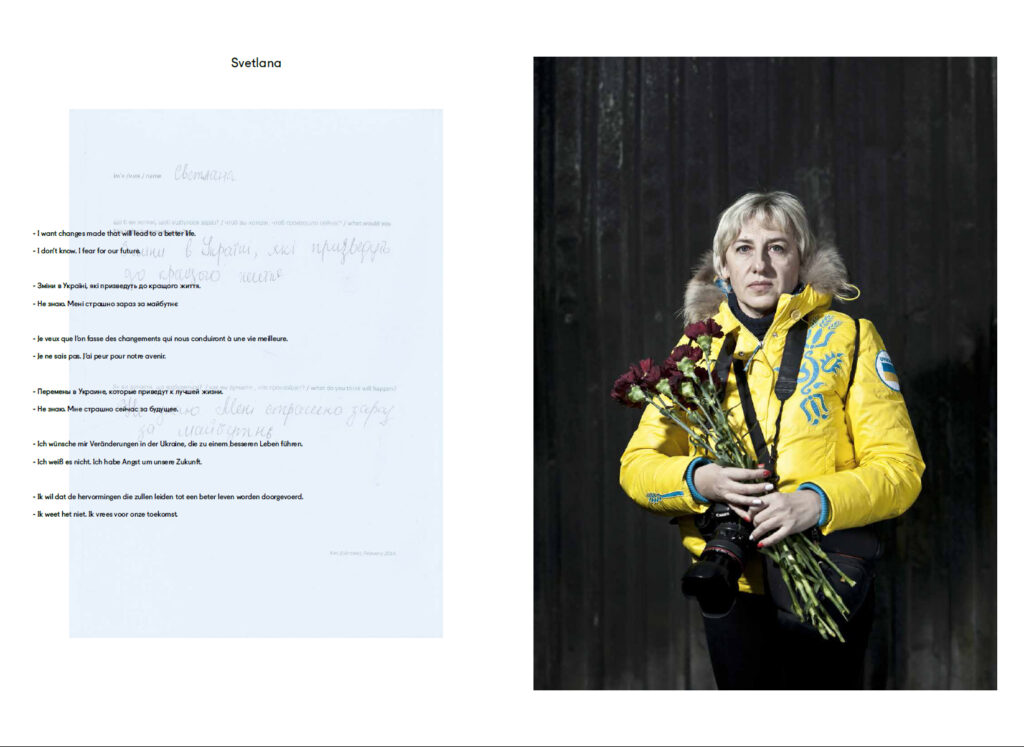
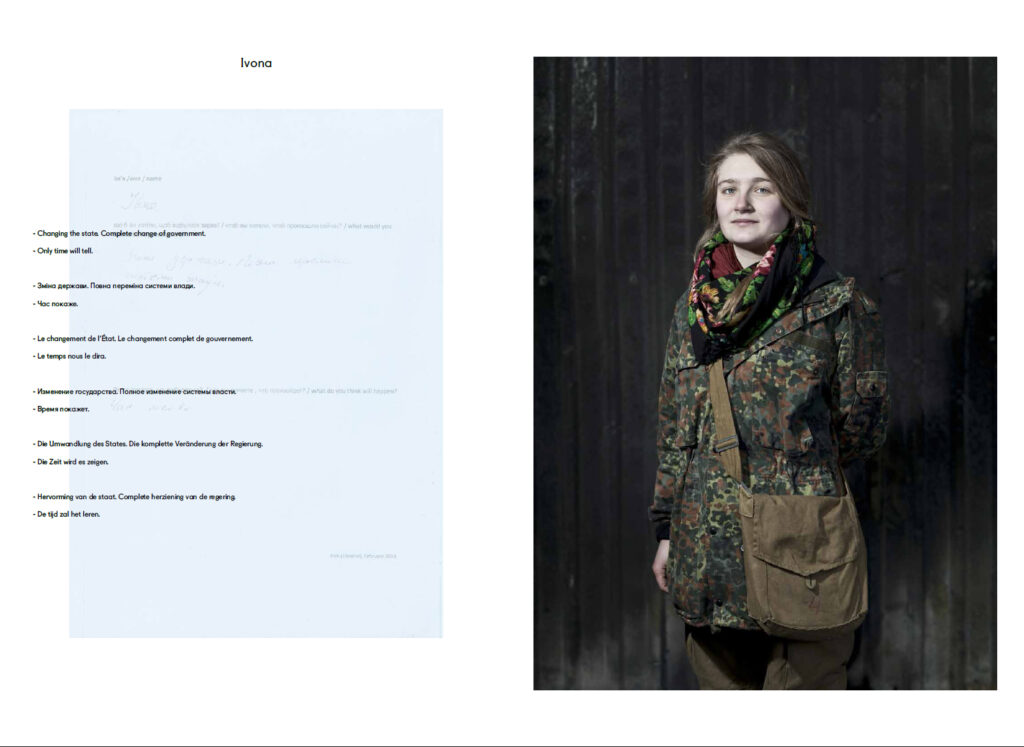
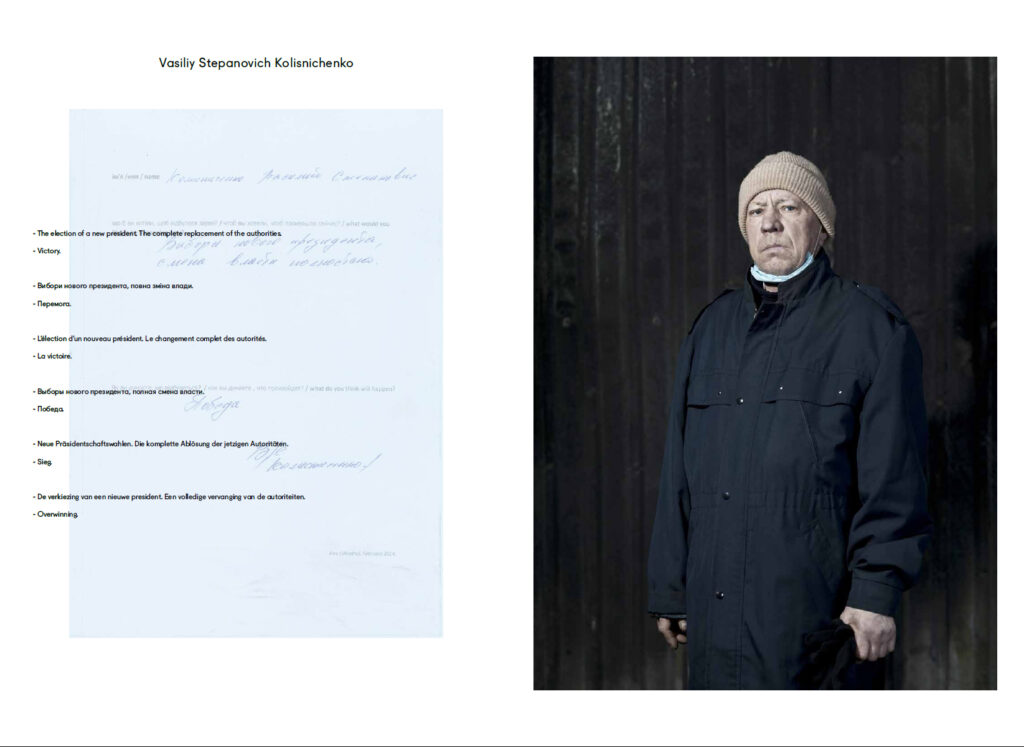
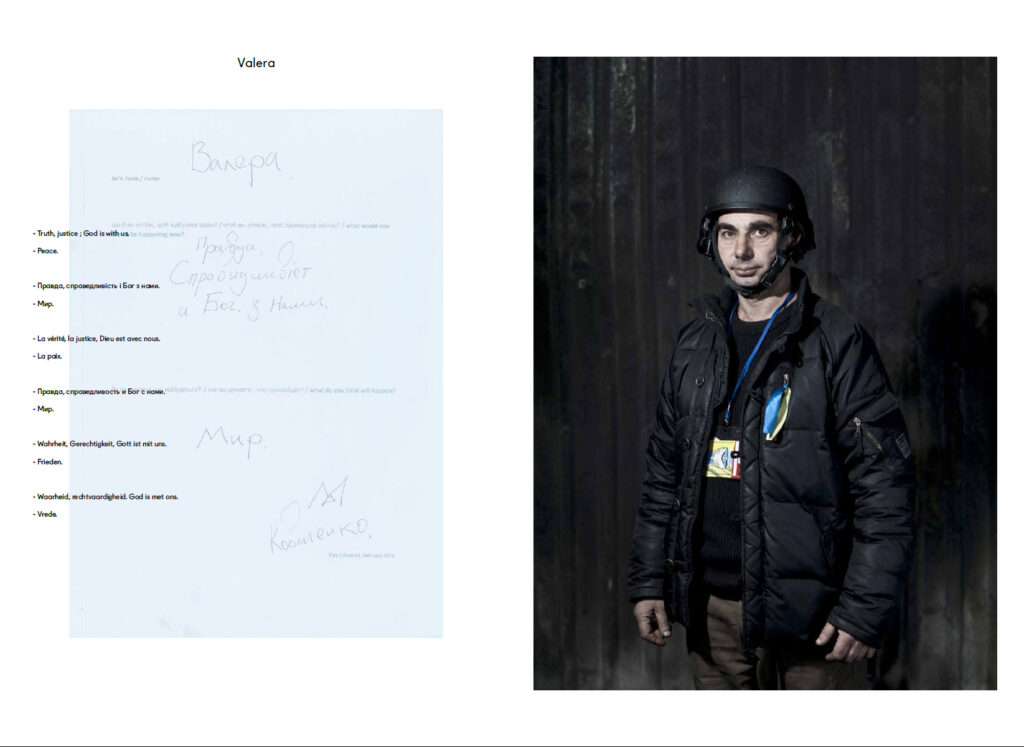
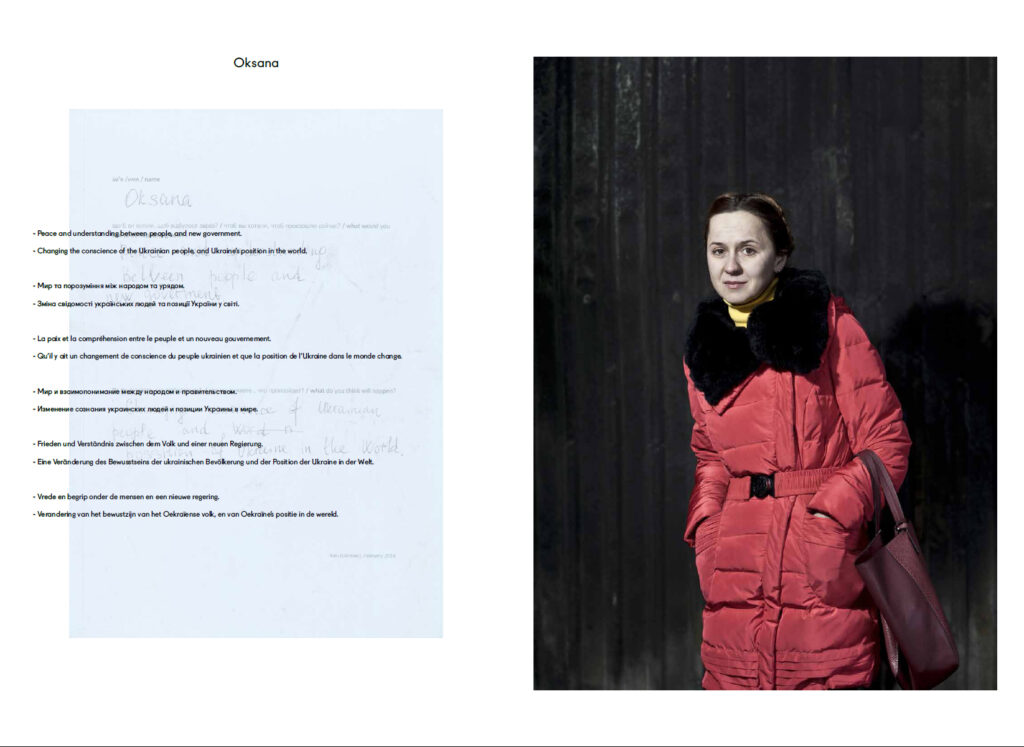
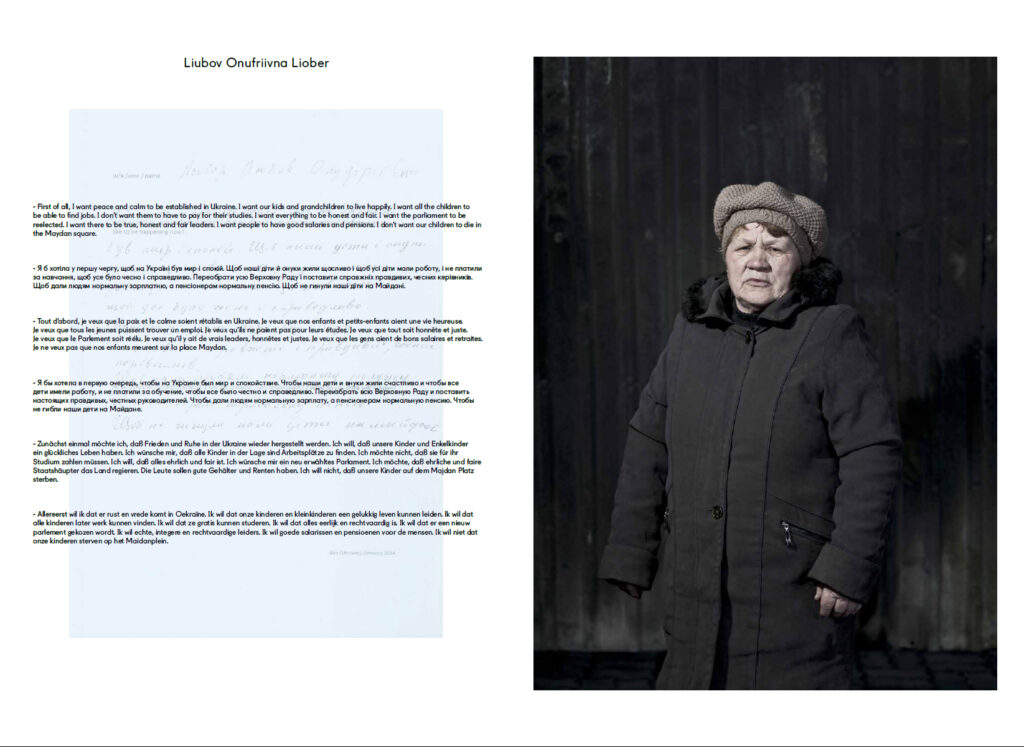
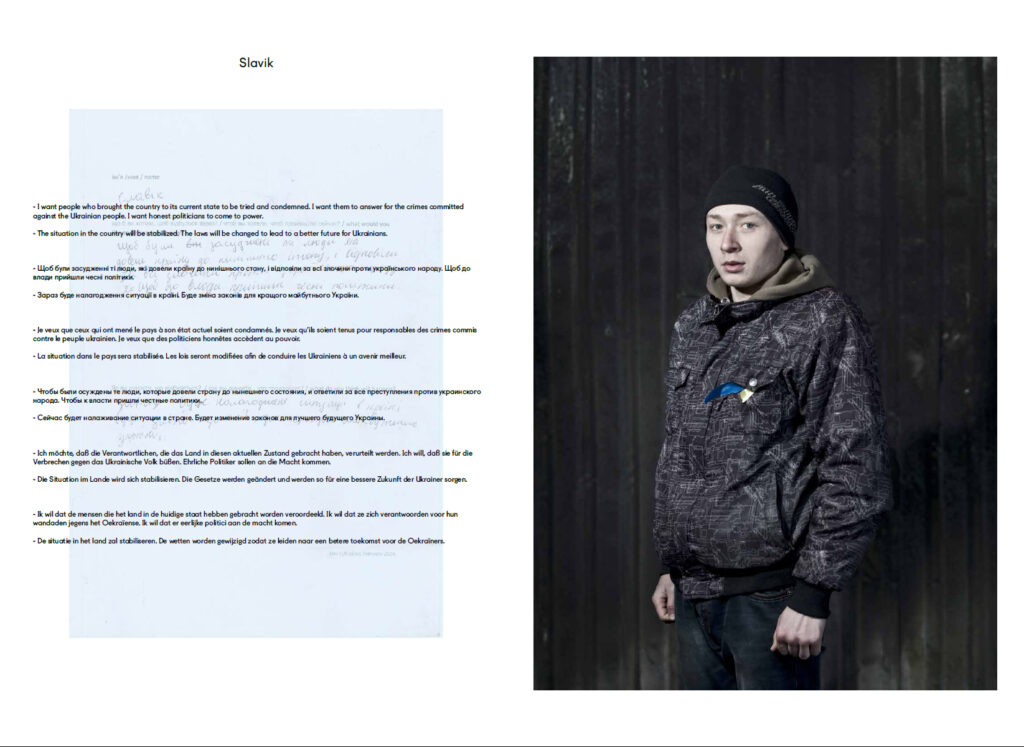
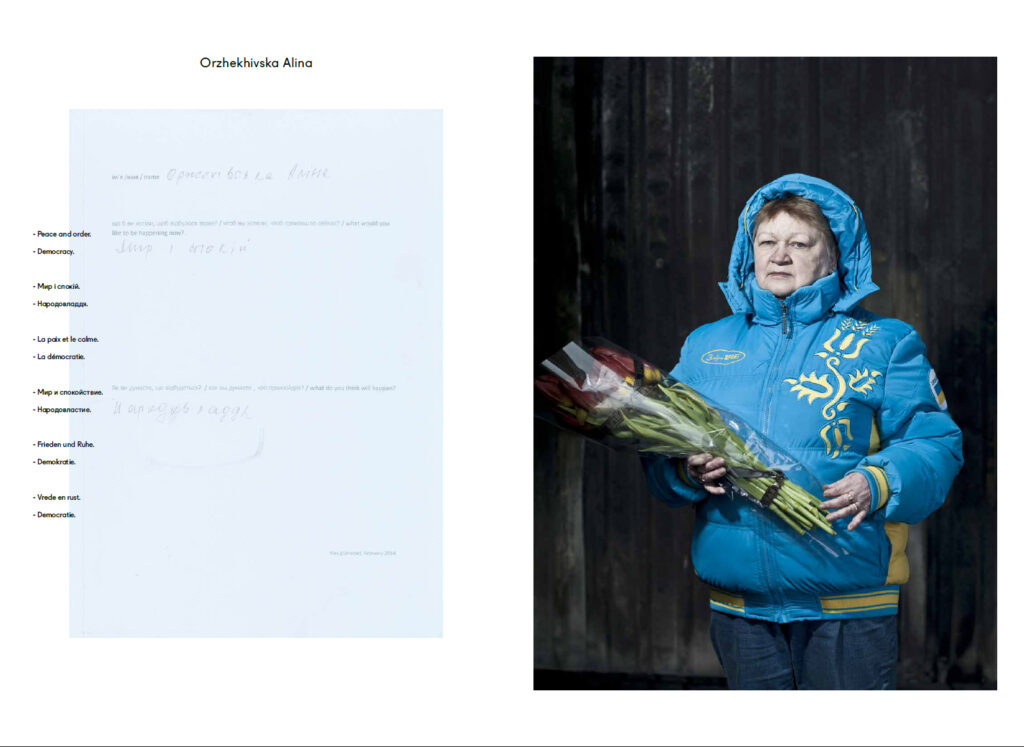
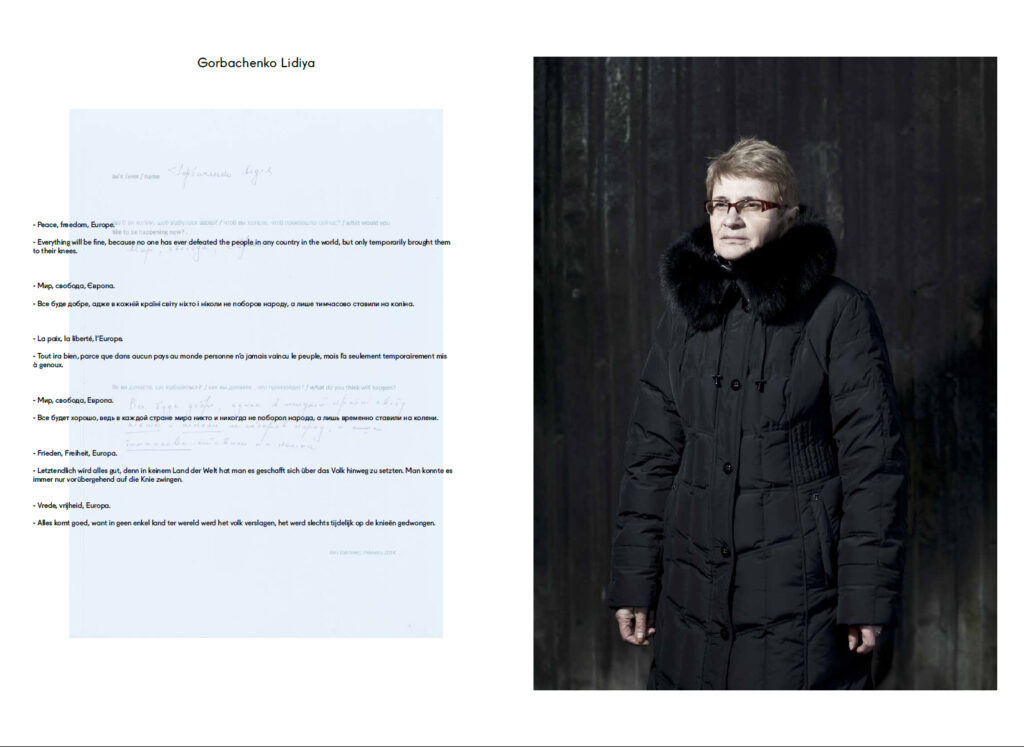
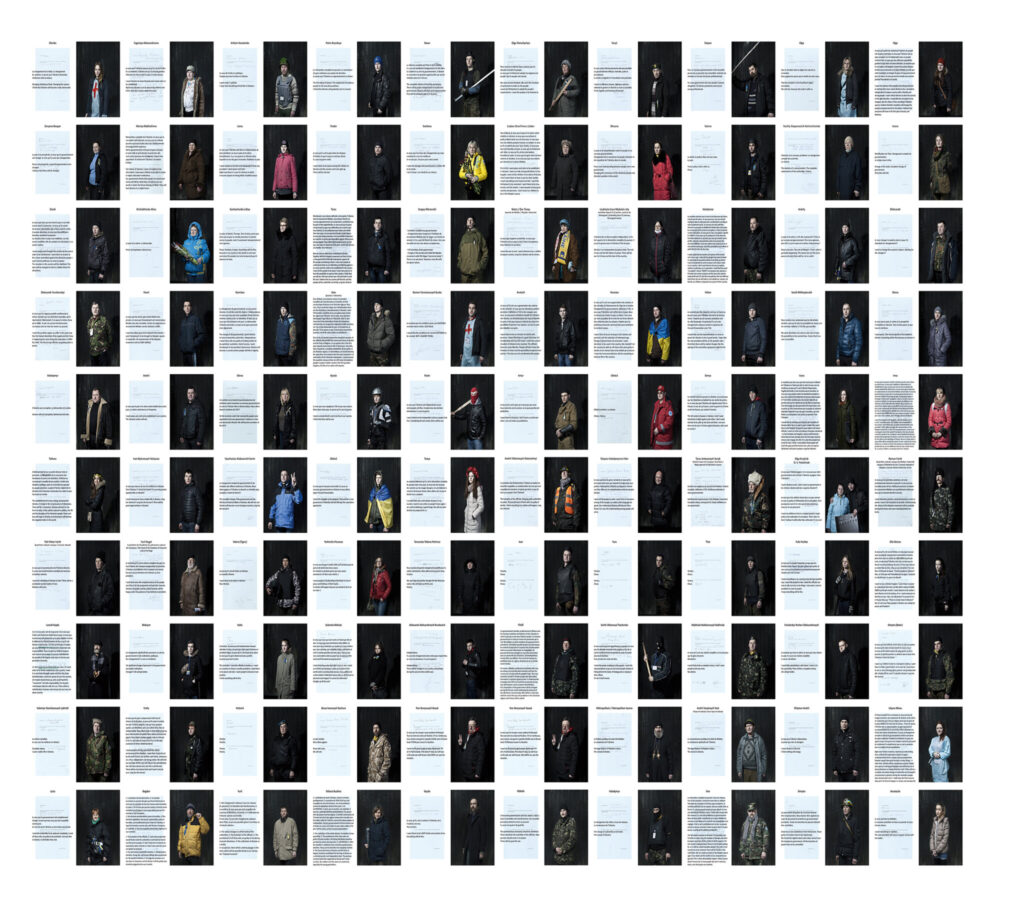
Text by Stéphane Siohan, photos by Emeric Lhuisset (from Maidan, Hunderd Portraits)
Six months before the Maidan revolution, in June 2013, 28-year-old Iryna Krashkova was raped and severely beaten by police officers in Mykolaiv, in southern Ukraine.
That summer in Kyiv, the Berkut, the special police force under Viktor Yanukovych, violently dispersed a protest against police brutality and impunity.
Anger was simmering.
This was the prehistory of Maidan: a local crime colliding with history.
Ukrainians had had enough of a corrupt, authoritarian regime with ties to the criminal underworld, led by a former street thug from Donetsk. All they needed was a spark. It came in November, when the president refused to sign an association agreement with the European Union.
Young people mobilised first. Students filled the streets. Then, on the night of 30 November 2013, the Berkut cracked down on the protesters, beating them with batons until they bled.
The next day, their parents, grandparents and other members of civil society came out. Outraged by the violence, people took to the streets shouting “Revolution”. One slogan was everywhere: “Ukraine is Europe.”
The media were quick to call the movement “Euromaidan”. Ukrainians themselves preferred another name: the “Revolution of Dignity”. Because what was at stake, that winter of 2013 in Kyiv, was nothing less than the dignity of a people.
In what kind of country do we want to live?
By what rules do we want to live?
Do we want a country ruled by force, or by the rule of law?
A country where police officers can beat teenagers with impunity? What sets us apart from the Russian world?
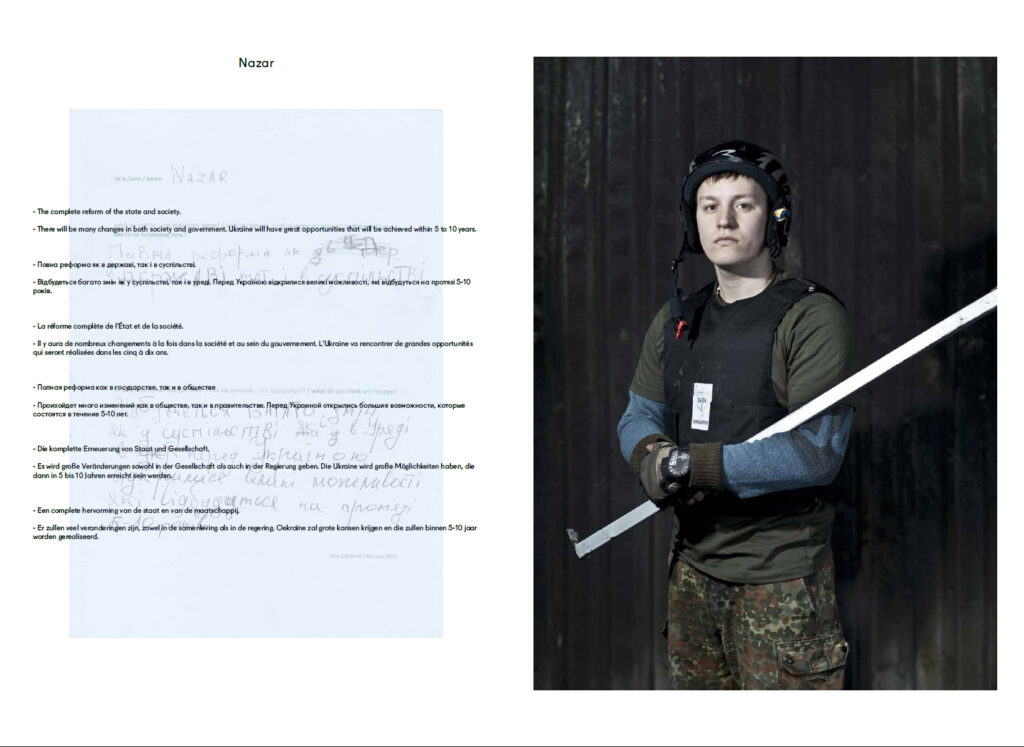
In the bitter Kyiv winter, the visual language of the uprising drew on Ukrainian history. Around Maidan, Independence Square, protesters built walls of wood, metal and ice, turning the square into a fortified camp. They dressed in costumes inspired by seventeenth-century Cossacks and the 1918–1920 struggle for independence, ammunition belts slung across their shoulders and chests. At times, they looked as though they had stepped straight out of Mad Max.
The movement’s imagery and energy echoed earlier moments when Ukraine had fought for its survival and independence.
None of it looked ridiculous. It was beautiful. Moving.
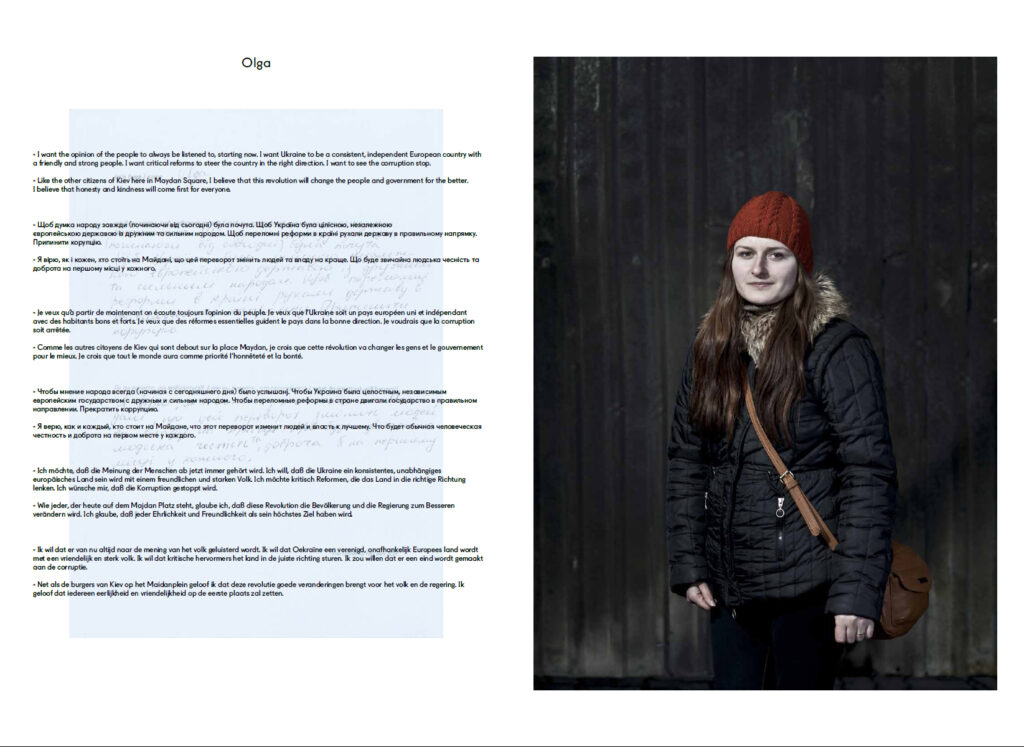
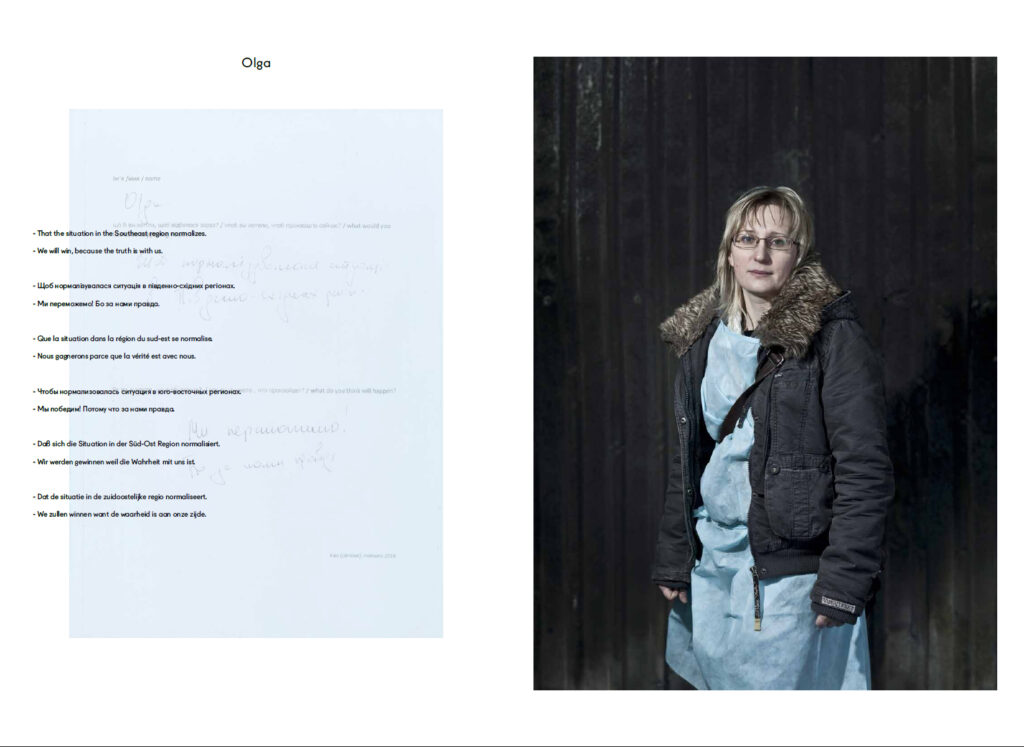
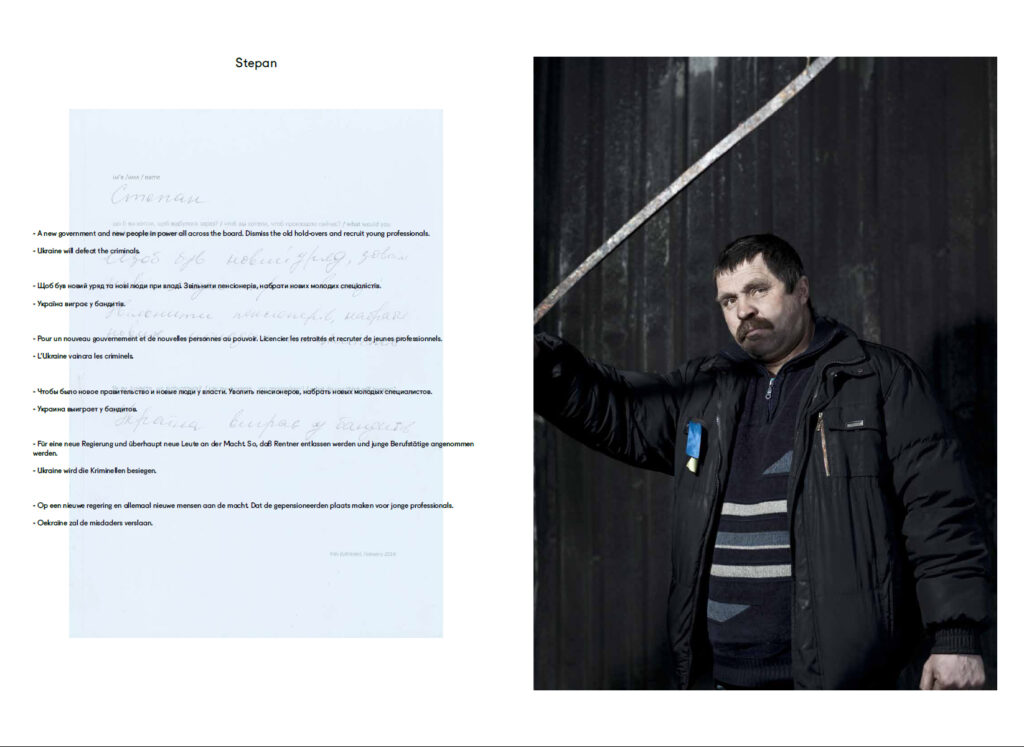
What was the spirit of Maidan? Men and women who chose to occupy a place and hold it, day after day, for a cause greater than themselves. Collective action. A vision of their country’s future that reached beyond their own lives. A furious rejection of lies and duplicity.
I have never liked the expression “colour revolution”. Maidan was a movement about values. A rejection of institutionalised violence. A thirst for justice. Europe as a place of opportunity and development, against the arbitrariness of the Russian world. The right to imagine a different future for their children.
We all know how the Maidan uprising ended in late February 2014. Police opened fire on protesters, killing around a hundred people.
In the years that followed, hundreds, and eventually thousands, of people who had taken part in Maidan joined Ukraine’s armed forces. Others became volunteers, supporting the military and the civilian population.
A protest movement had begun to evolve into a force capable of mobilising in support of the military.
In 2022, many former Maidan protesters were among the first to volunteer to fight, reflecting something deeply rooted in the Maidan movement: a strong sense of individual responsibility.
You often hear that, on the battlefield, you can recognise those who were on Maidan: they are the last to leave.
The spirit of Maidan is the understanding that if you want your country to change, you have to begin by acting yourself.
Collective action is built on individual decisions.