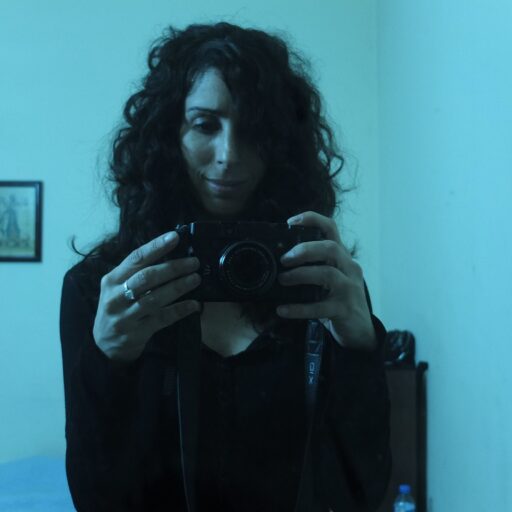
Katia Jarjoura
Filmmaker
REPORTING THE MIDDLE EAST TODAY: ACCESS, RISK AND RESPONSIBILITY AT WARM FESTIVAL 2026
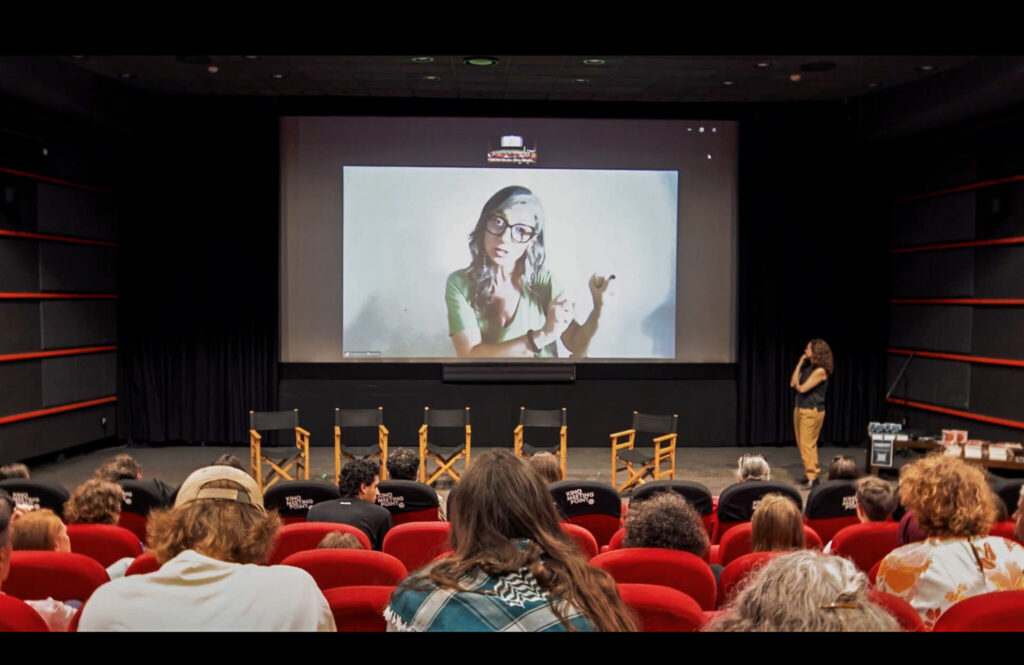
One of the most compelling discussions at WARM Festival 2026 brought together journalists and human rights experts working on the frontlines of today’s conflicts to examine what it means to report from the Middle East at a time when access is shrinking, journalists are increasingly targeted, and information itself has become a battlefield.
Moderated by Sophie Nivelle-Cardinale, the panel featured Alice Froussard, recently expelled from Israel while reporting from the occupied Palestinian territories, Francesca Albanese, UN Special Rapporteur on the Occupied Palestinian Territories, Katia Jarjoura, and Ghaith Abdul Ahad, whose combined experience spans decades of reporting from Palestine, Lebanon, Iraq, Syria and across the region.
Opening the discussion, Francesca Albanese described the situation in Gaza as one that “changed for the worse, but not in a way that was not predictable,” arguing that despite overwhelming evidence, “we know everything that Israel is doing. No states seem enough to stop it.”
The conversation then moved beyond Gaza to explore the practical realities of reporting conflict today. The speakers reflected on increasingly restricted access, governments denying entry to journalists, armed groups controlling reporting on the ground, and the growing dangers faced by local reporters.
Another recurring theme was the explosion of online disinformation and AI-generated content. As Ghaith Abdul Ahad remarked, “My rule is: presume everything is fake AI until proven otherwise.”
The panel also sparked a vivid and engaging discussion with the audience about objectivity, neutrality and the role of journalism in times of war. Responding to a question about whether journalists should strive for neutrality, Katia Jarjoura offered one of the afternoon’s defining moments:
“I am not neutral. I’m honest. I’m objective on the facts.”
Throughout the discussion, participants agreed that while journalism alone cannot stop wars or prevent atrocities, it remains essential for documenting reality, challenging propaganda and preserving the historical record. In an era of shrinking access and growing political pressure, the panel reaffirmed the importance of independent reporting as one of the foundations of democratic societies.