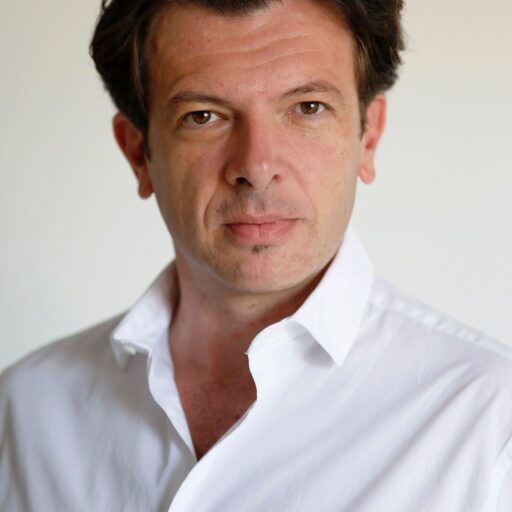
Damir Šagolj
Photographer - Director, WARM
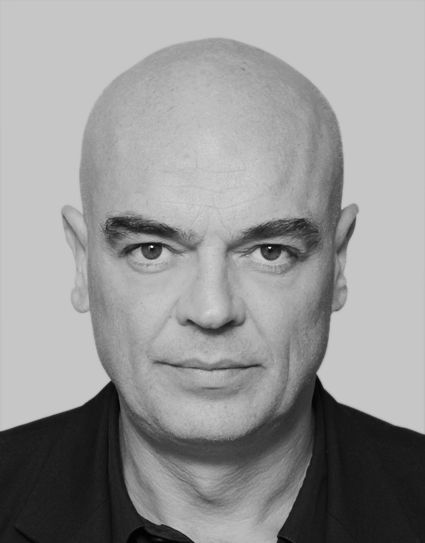
Rémy Ourdan
Journalist, Le Monde
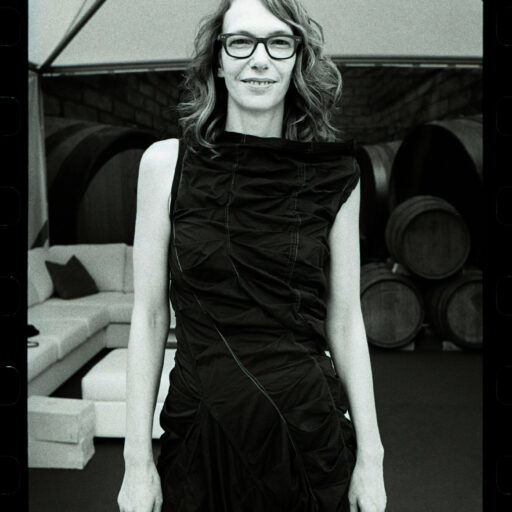
Lejla Hodžić
Curator and designer
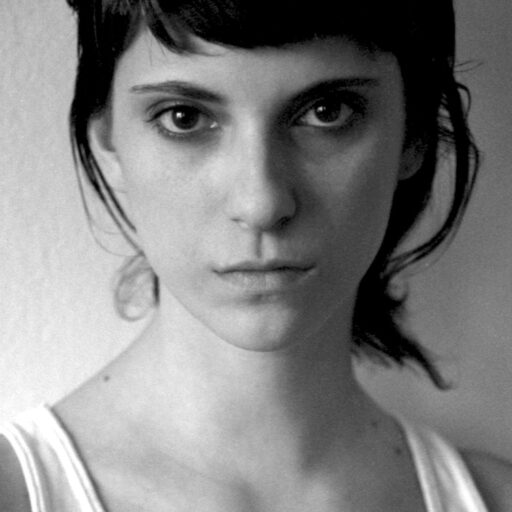
Šejla Kamerić
Artist
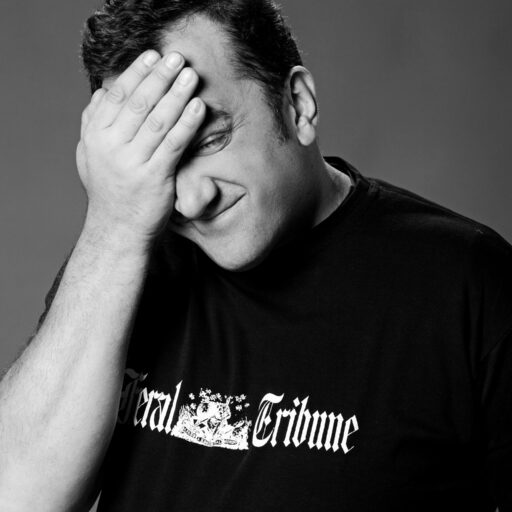
Bojan Hadžihalilović
Graphic Designer, Fabrika
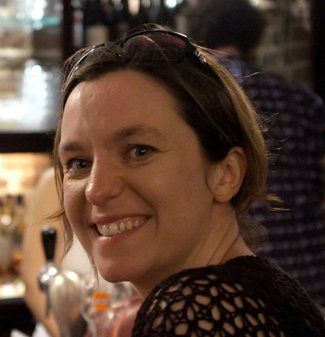
Aurélie Viel
Bayeux-Calvados Awards for War Correspondents
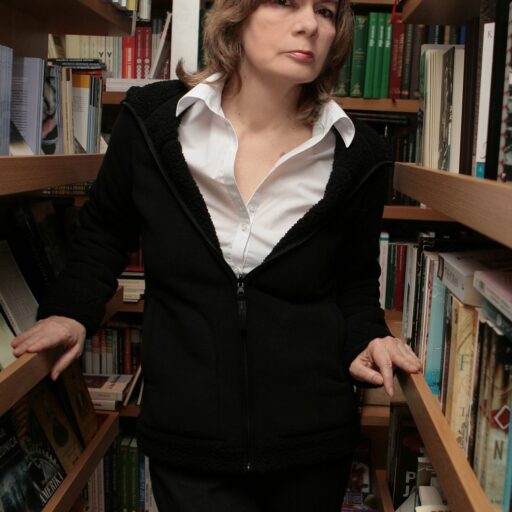
Suada Kapić
FAMA
Ozren Kebo
Journalist - Internews
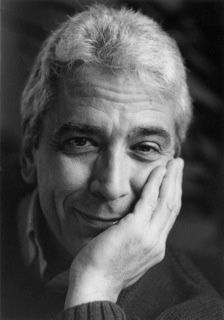
Gilles Peress
Photographer, Magnum
PRAVEDNICI: TRACES OF HUMANITY IN SARAJEVO
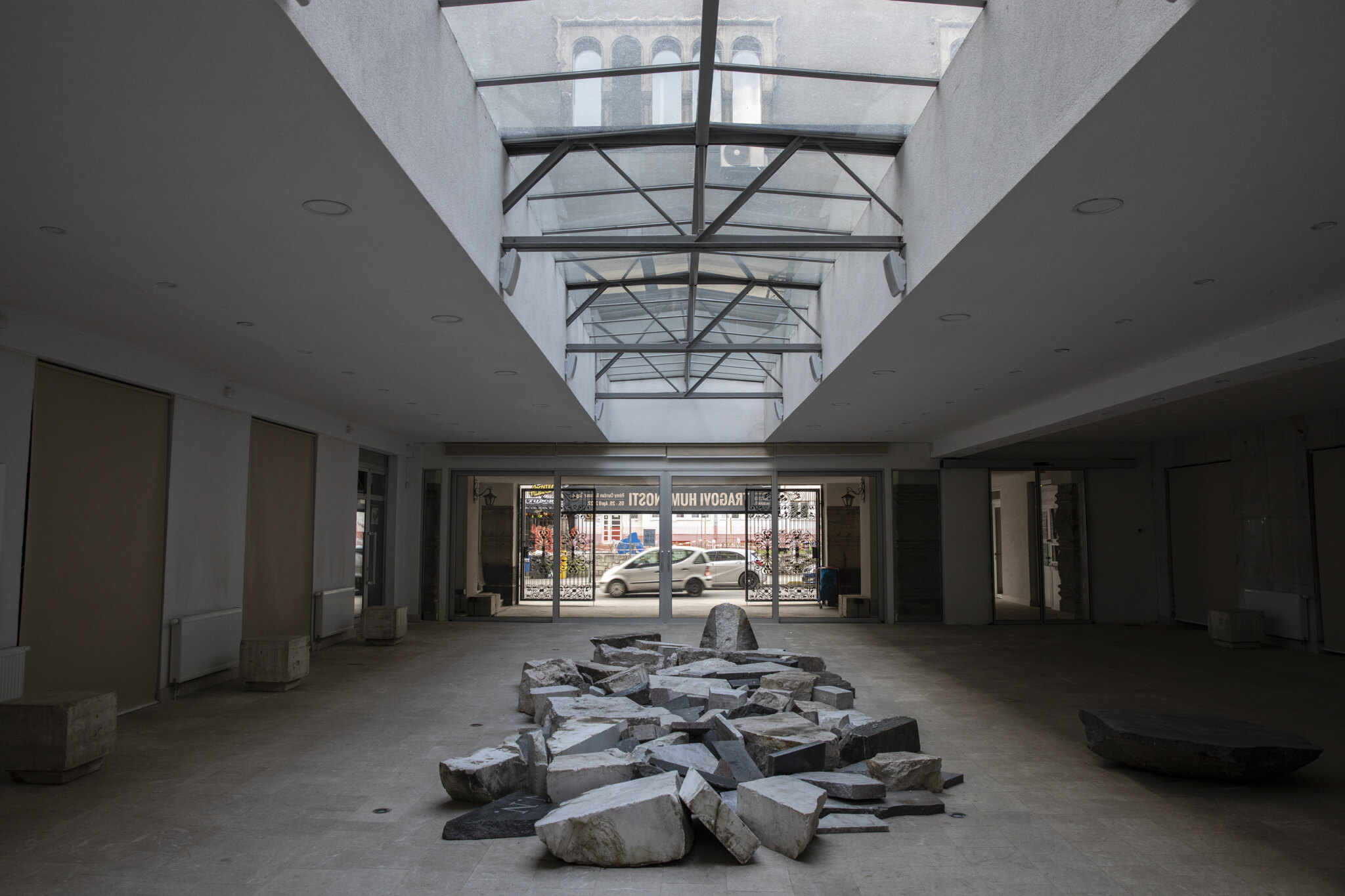
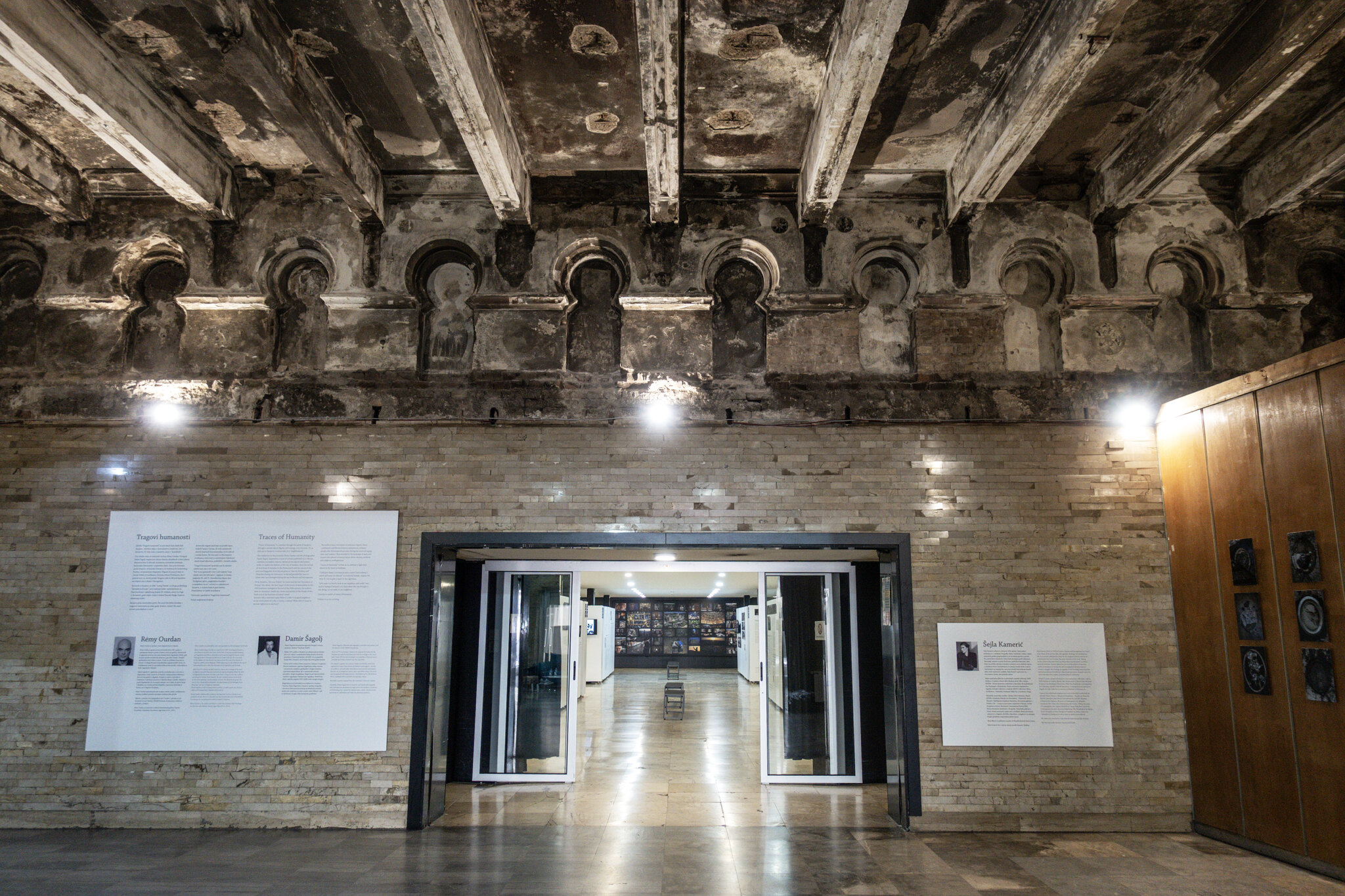
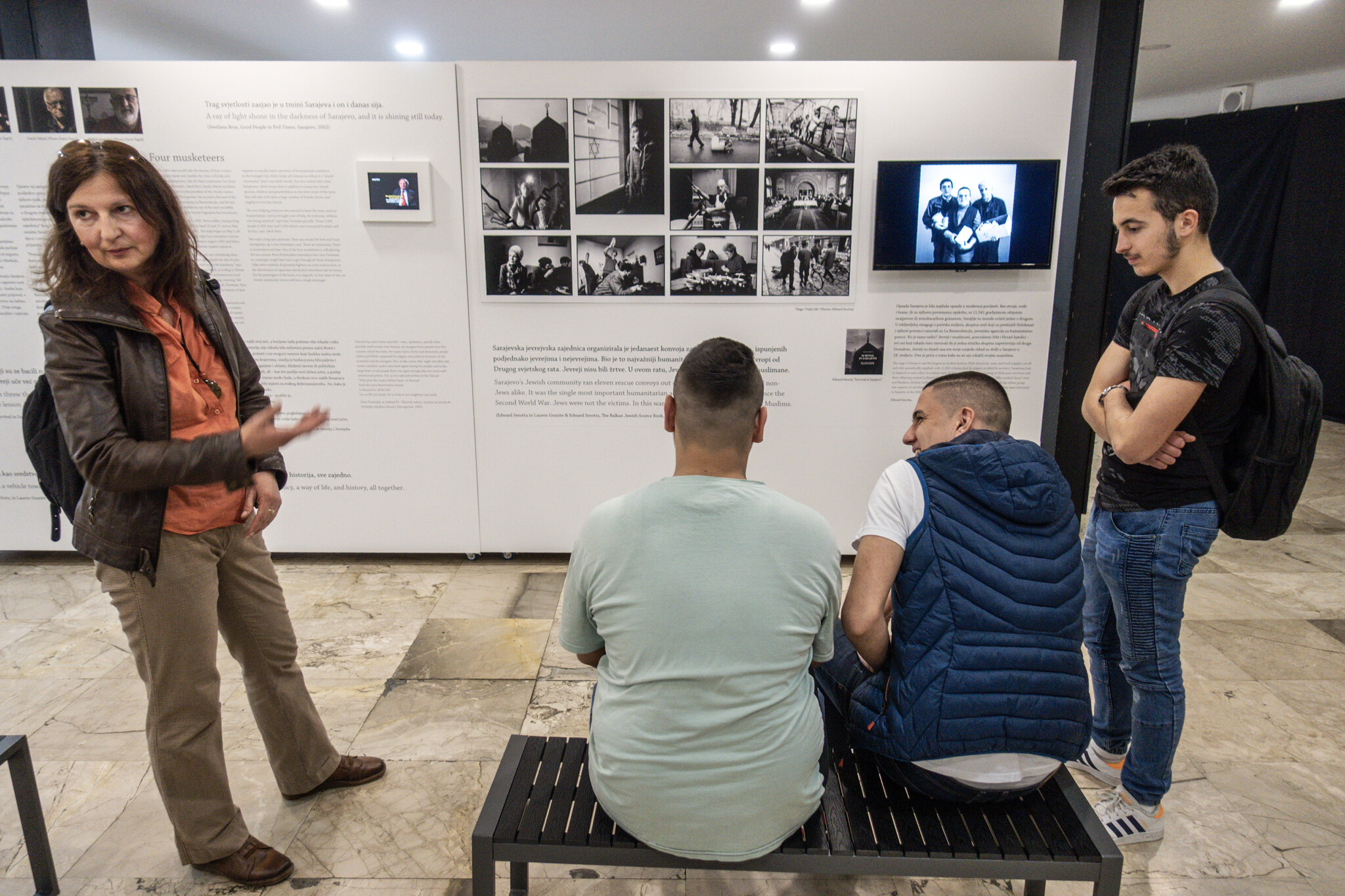
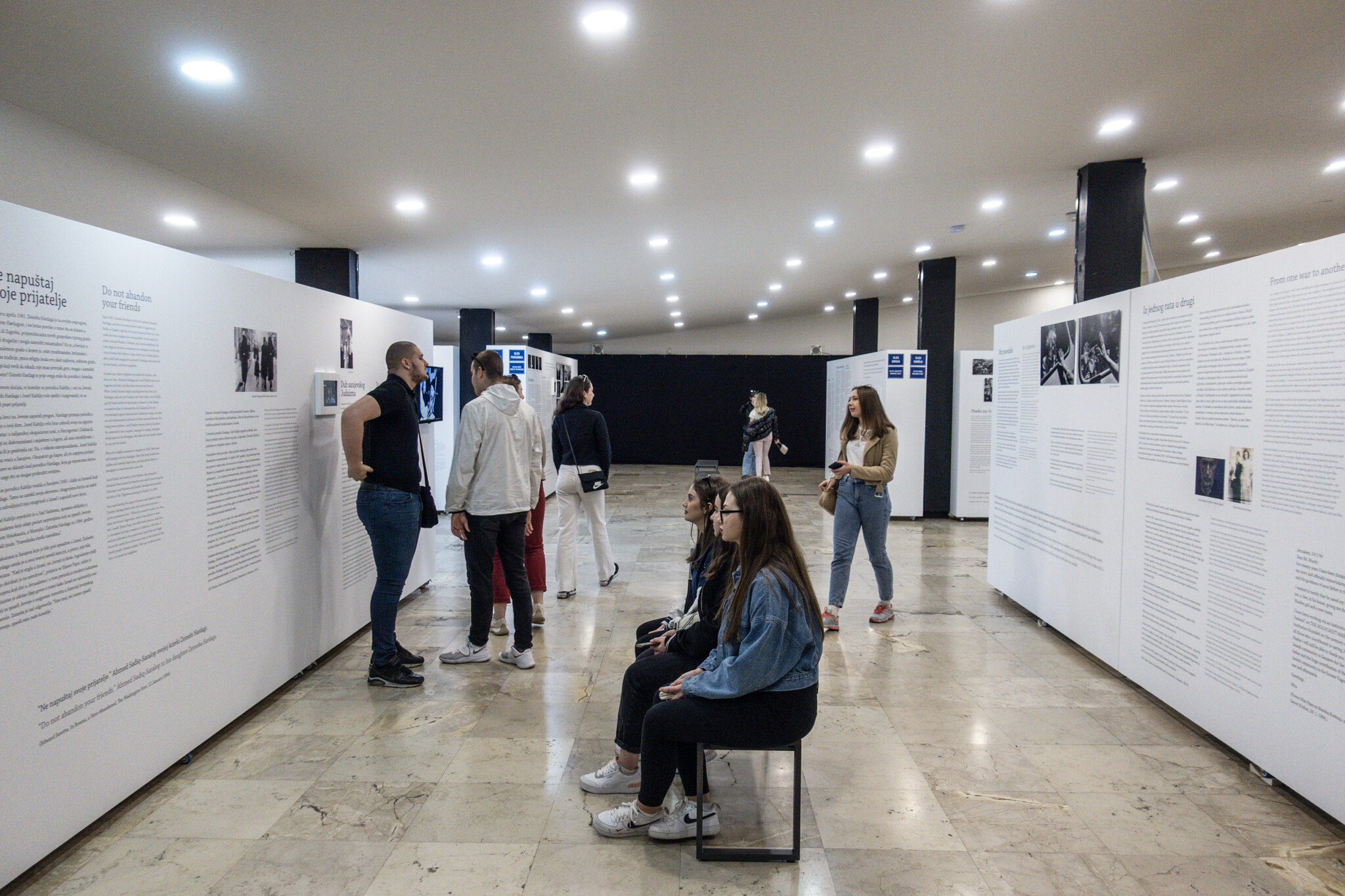
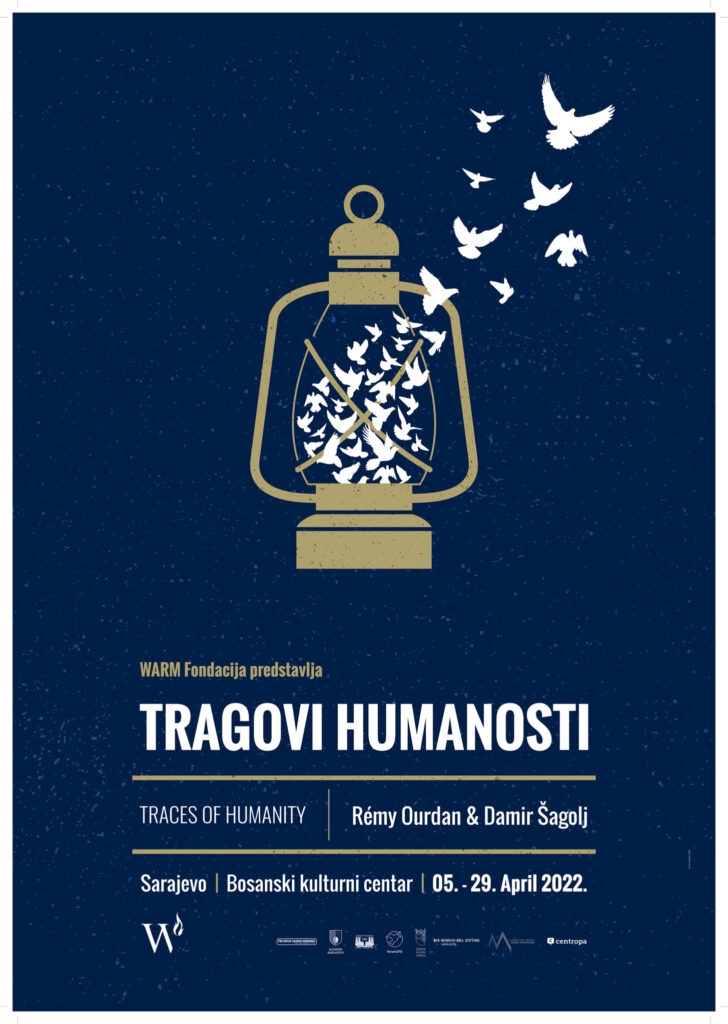
On 5 April 2022, WARM opened Pravednici: Traces of Humanity at the Bosnian Cultural Centre in Sarajevo. Presented thirty years after the beginning of the siege, the exhibition remained open until 29 April.
Created by journalist Rémy Ourdan and photographer Damir Šagolj, Traces of Humanity grew from years of reporting and research into Sarajevo, its Jewish history and the relationship between the city’s different communities. The work began as a series published in Le Monde in 2019 and was first presented as an exhibition in Bayeux in 2021.
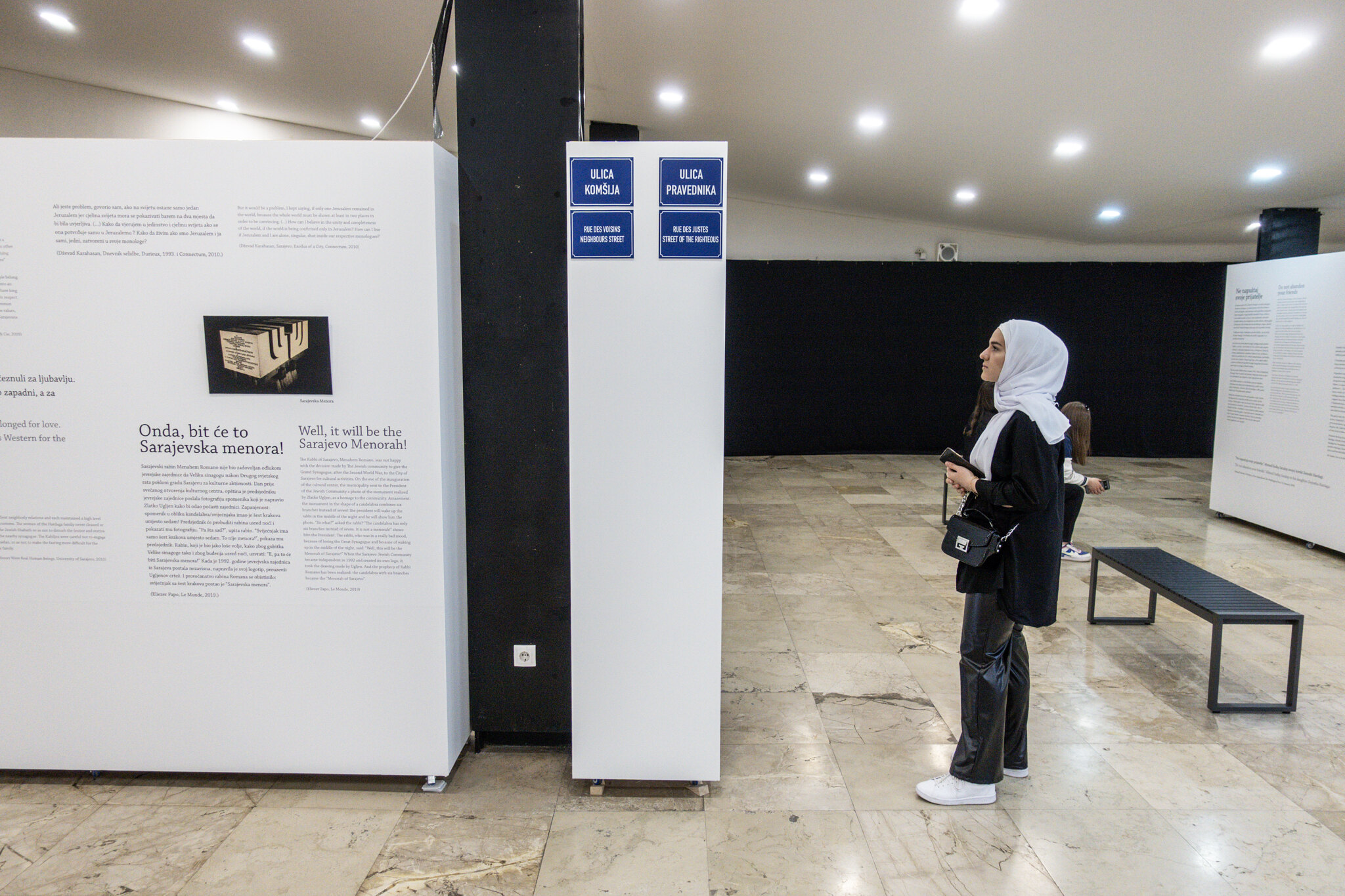
The Sarajevo edition was built around a word more precise than the usual descriptions of the city as multicultural or multiethnic: komšiluk.
The exhibition followed that idea through different moments in Sarajevo’s history, asking what happens to the relationship between neighbours when war, persecution and political violence turn identity into a question of life and death.
In 1819, Muslim Sarajevans rose against Ottoman governor Ruždi-paša to prevent the execution of Rabbi Moše Danon and twelve other Jewish citizens. During the Holocaust, Sarajevo families including the Korkuts and the Hardagas risked their lives to protect their Jewish neighbours. Derviš Korkut was also one of the people responsible for saving the Sarajevo Haggadah from the Nazis.
Half a century later, the roles changed.
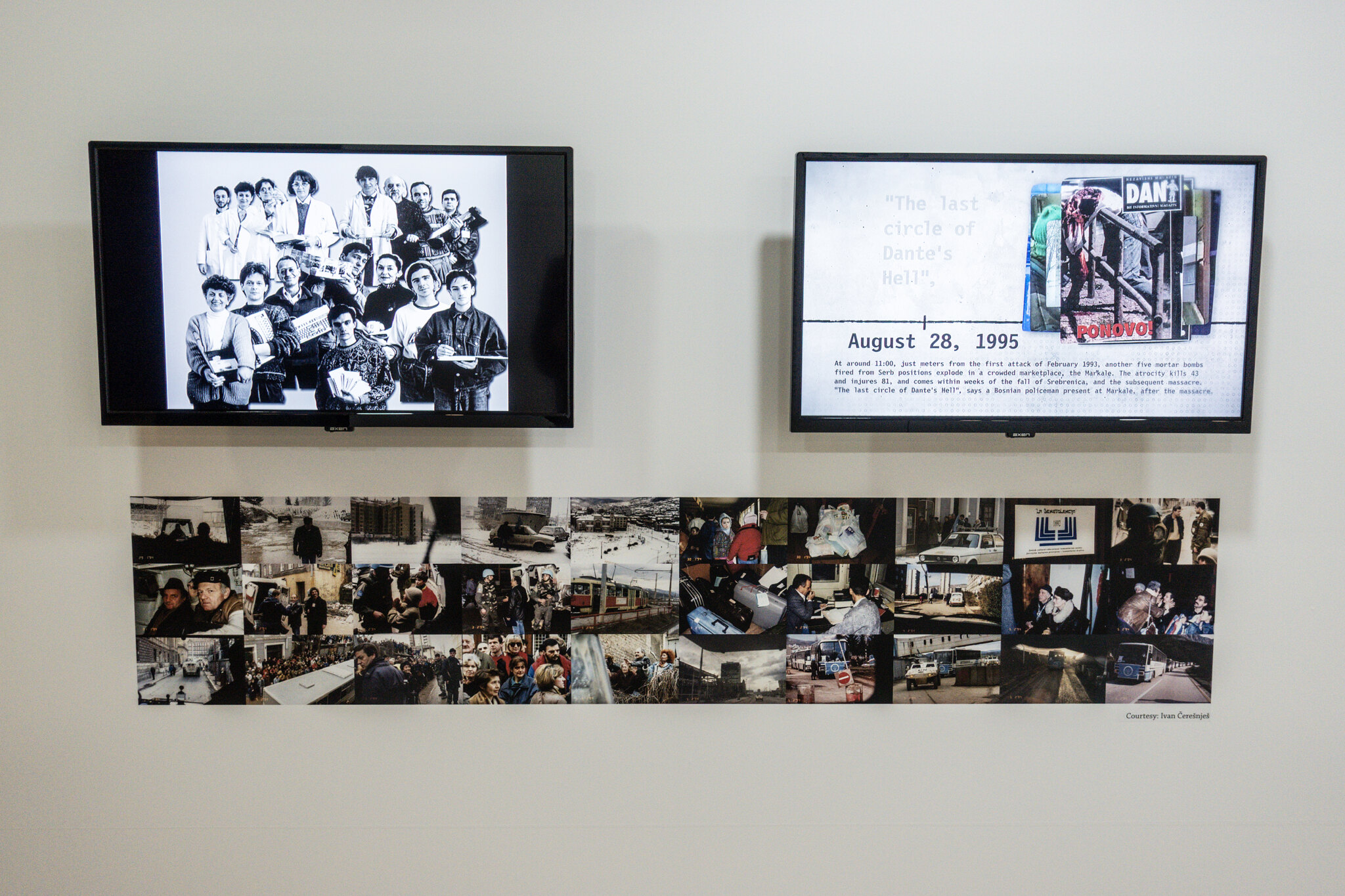
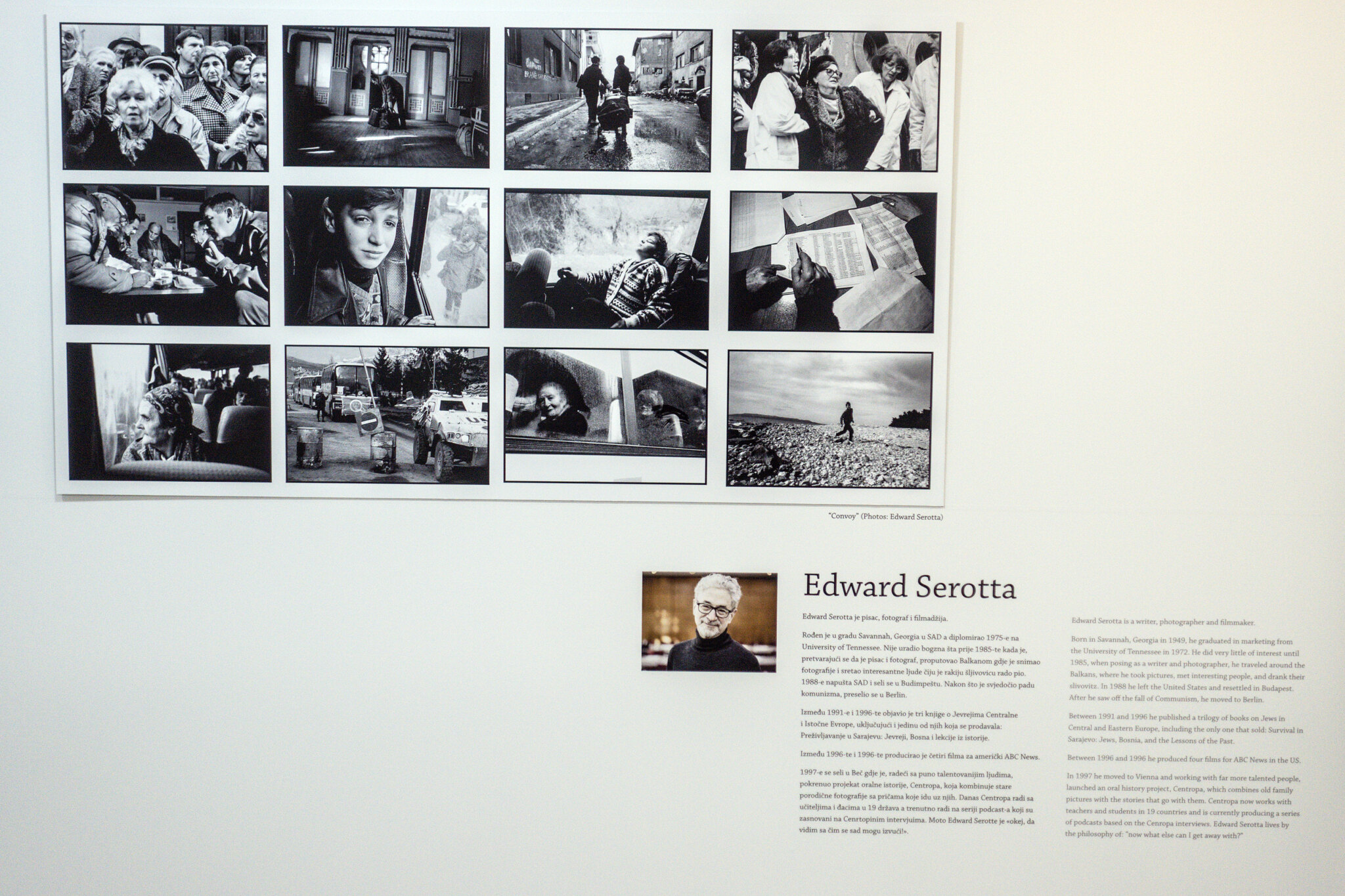
During the siege of Sarajevo, the city’s Jewish community became part of the infrastructure that kept people alive. La Benevolencija distributed food and medicine without regard to identity, while Ivan Čerešnješ, Jakob Finci, Danilo Nikolić and Boris Kožemjakin helped organise humanitarian operations and evacuations from the besieged city. Around 2,500 people left Sarajevo through these operations, approximately 1,500 of them non-Jews. The convoys crossed front lines and numerous military checkpoints without losing a single passenger.
The last Yugoslav rabbi, Cadik Danon, found another way to help. In Budapest, he carried out rapid conversions of Muslim and Christian Sarajevans who otherwise could not continue to Israel with their Jewish relatives, friends and neighbours. Danon saw it as returning a debt: Sarajevans had helped Jews during the Second World War; now Jews could help Sarajevans.
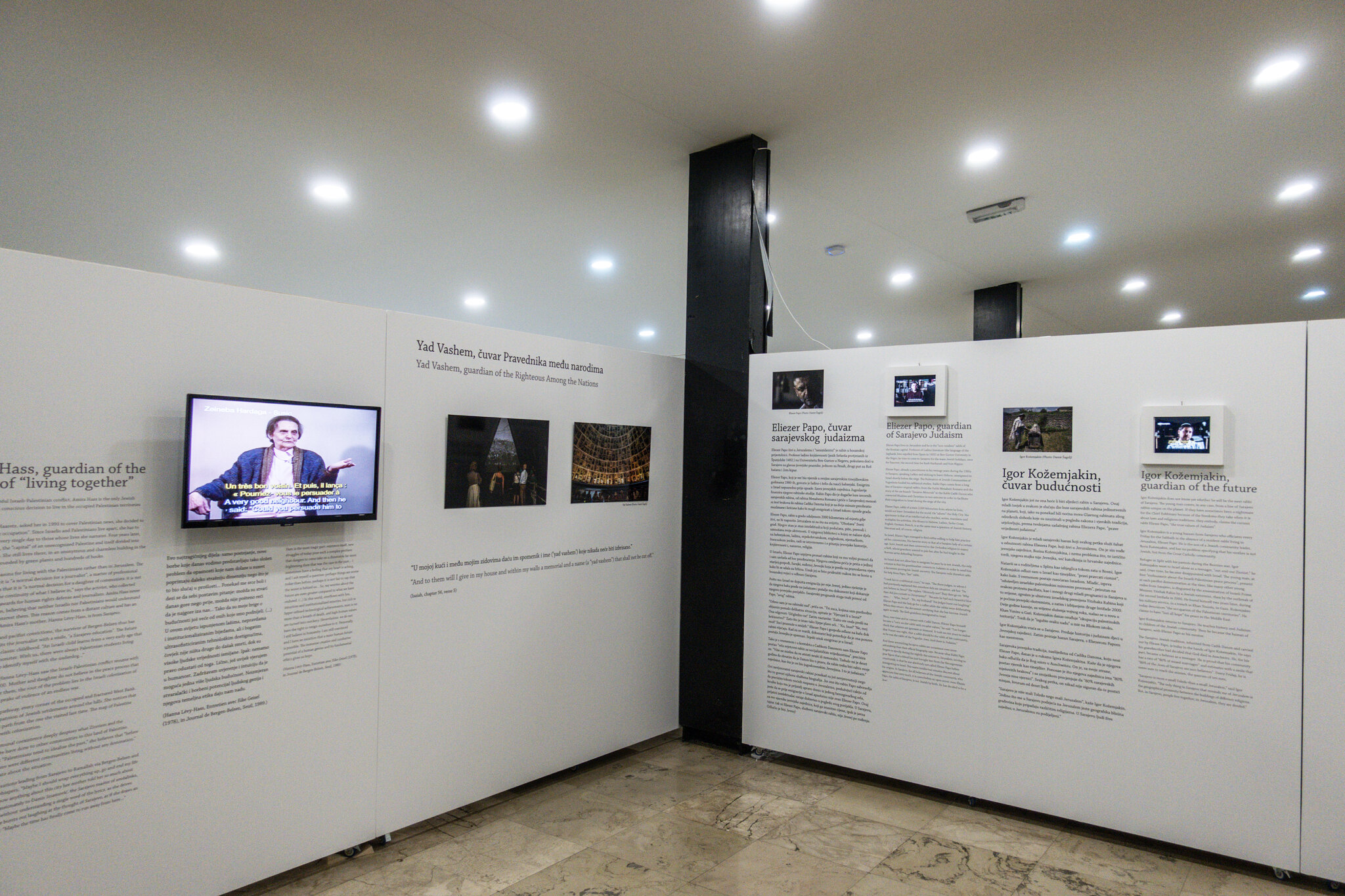
This reversal was at the heart of Pravednici. The exhibition brought together people formally recognised by Yad Vashem as Righteous Among the Nations and others who had made similar choices without ever receiving such recognition. Its Pravednici were Derviš and Servet Korkut, Mustafa and Zeineba Hardaga, Cadik Danon, Ivan Čerešnješ, Jakob Finci, Danilo Nikolić and Boris Kožemjakin.
One sentence perhaps explained the project better than anything else. When Zeineba Hardaga, who had helped save the Kabiljo family during the Holocaust, was herself evacuated from besieged Sarajevo to Israel, she was welcomed as a woman who had saved Jews. She replied:
“My son, we did not save Jews, we saved our neighbours.”
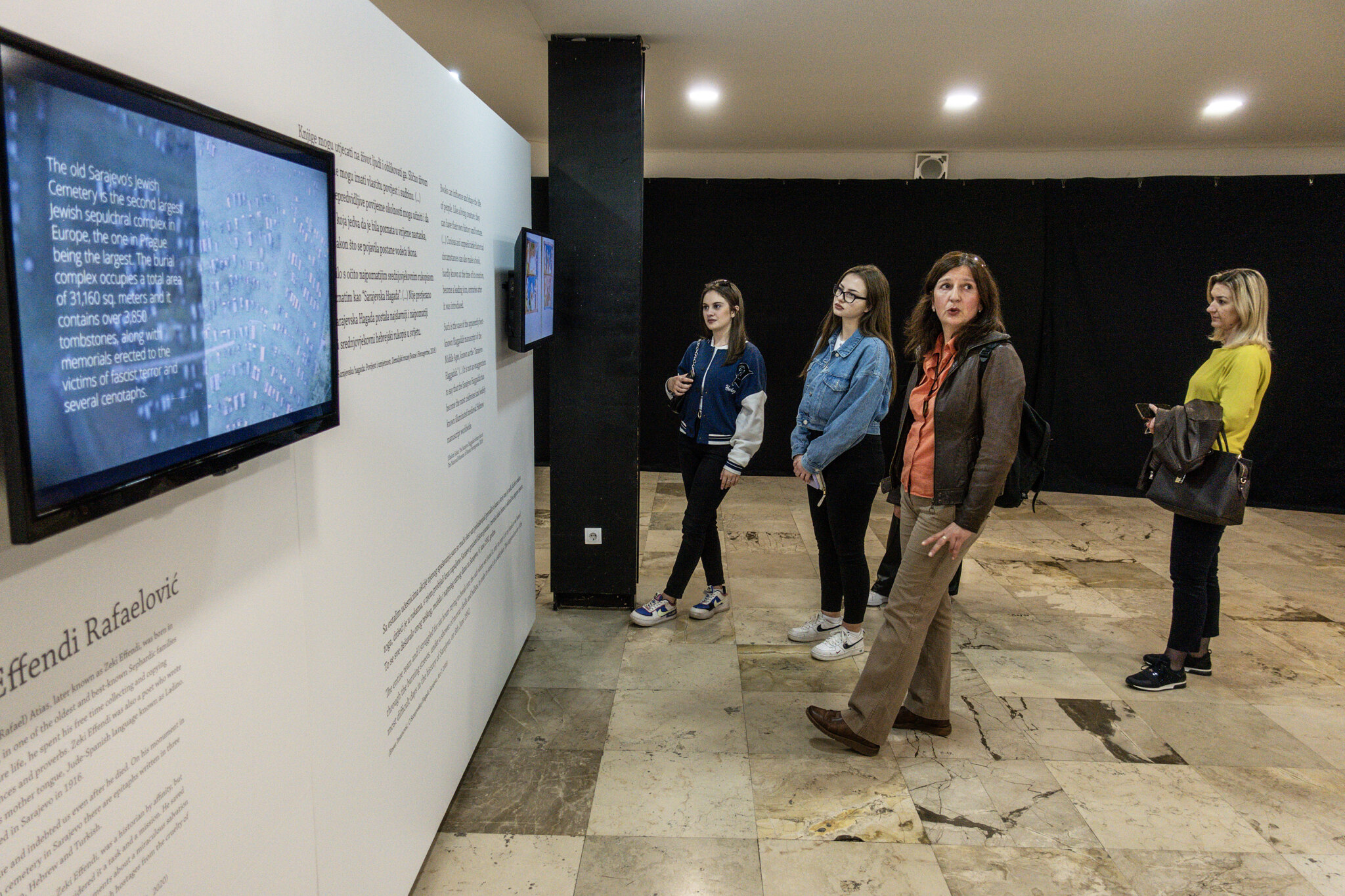
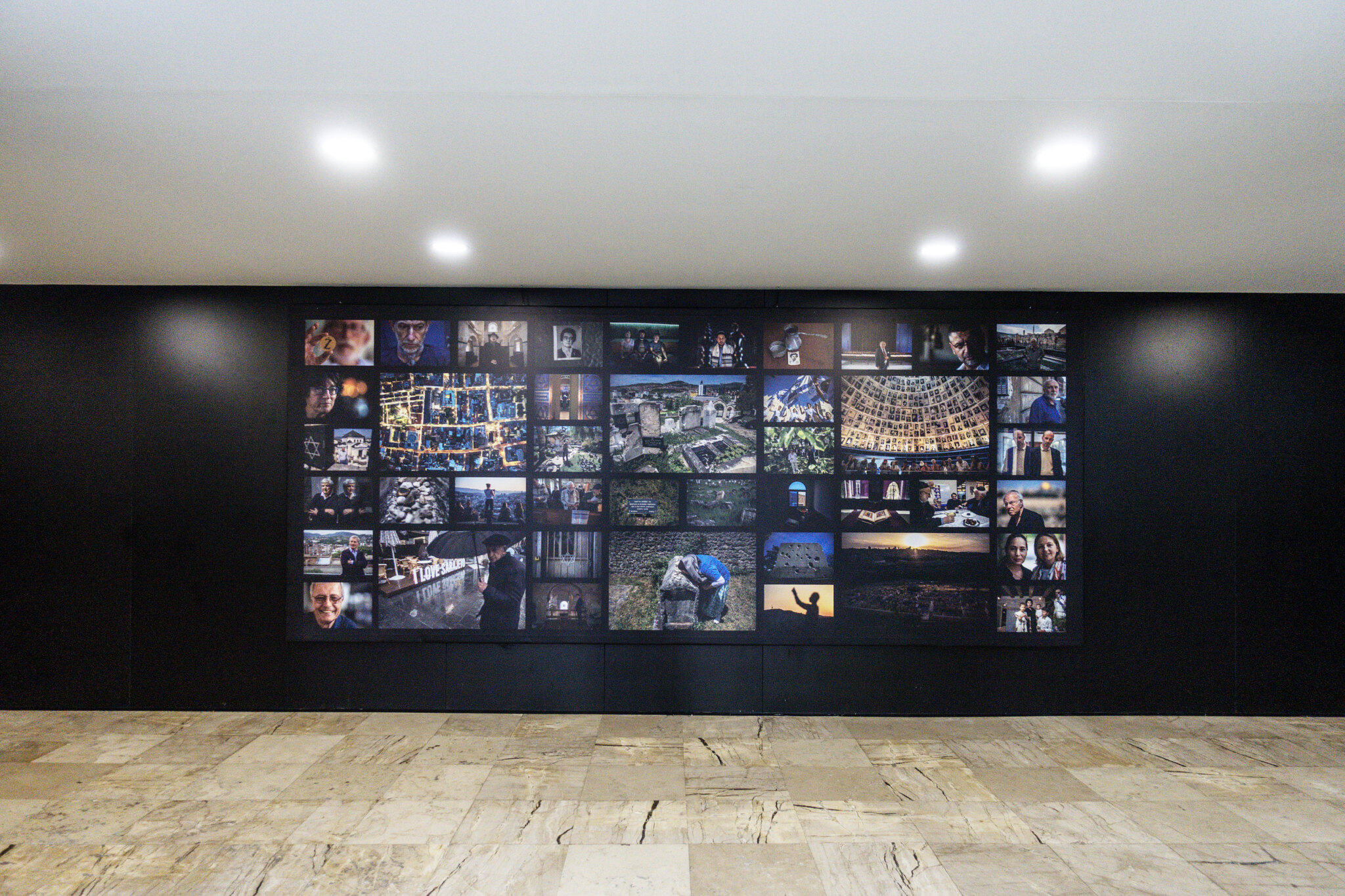
But saving people was only one part of the story. Traces of Humanity also looked at those who protected the city’s memory and traditions. The Sarajevo Haggadah was saved again during the siege, when archaeologist Enver Imamović helped remove it from the shelled National Museum and take it to safety. Historian Eli Tauber spent years recovering stories of Sarajevo’s Jewish community and its neighbours. Rabbi Eliezer Papo and hazzan Igor Kožemjakin preserved and passed on Sarajevo’s particular Sephardic religious and cultural traditions. And at the Old Jewish Cemetery, Šefko Koroman, its Muslim guardian, protected the graves and the memory they carry. The exhibition called people like them the Guardians.
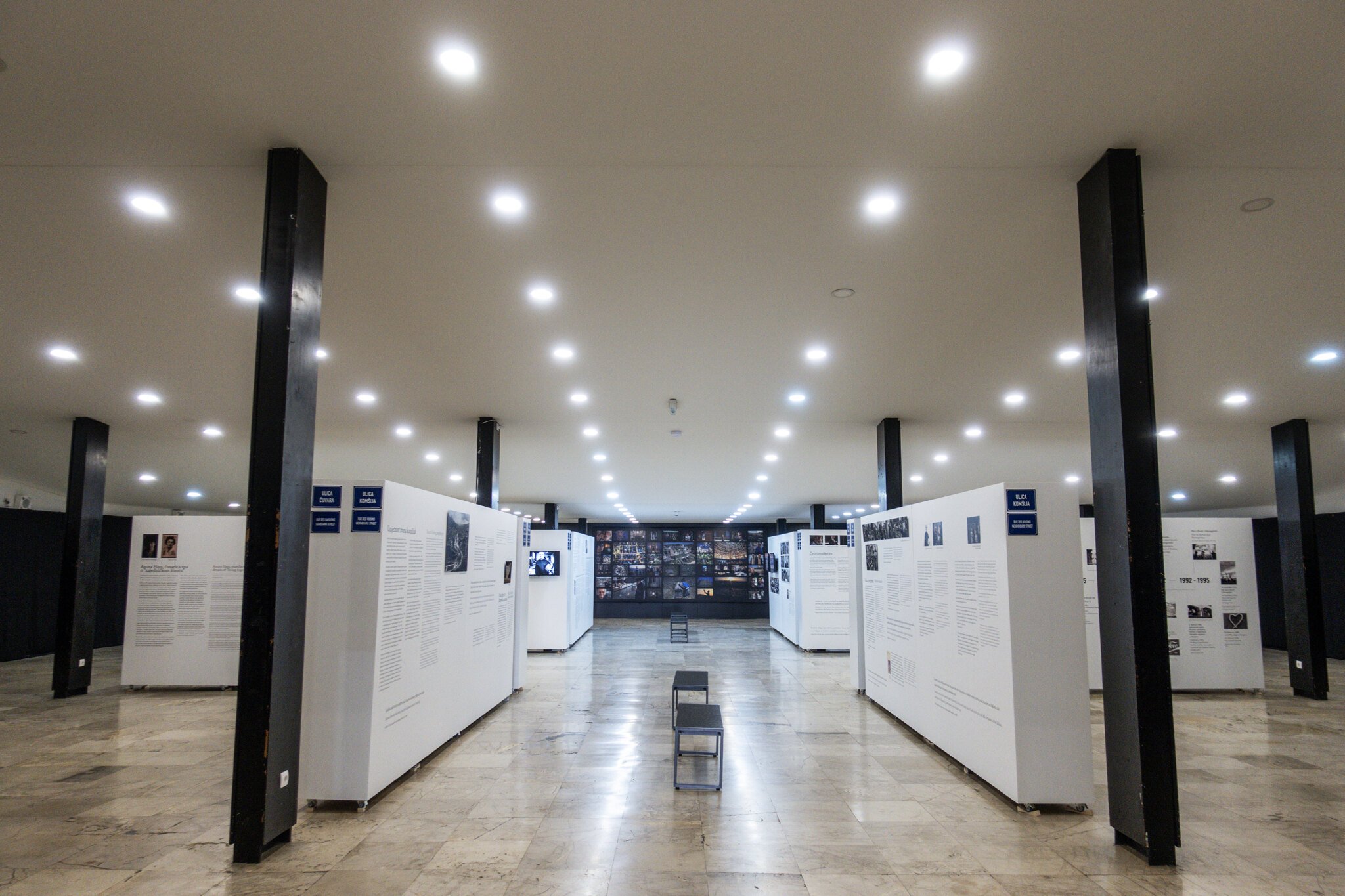
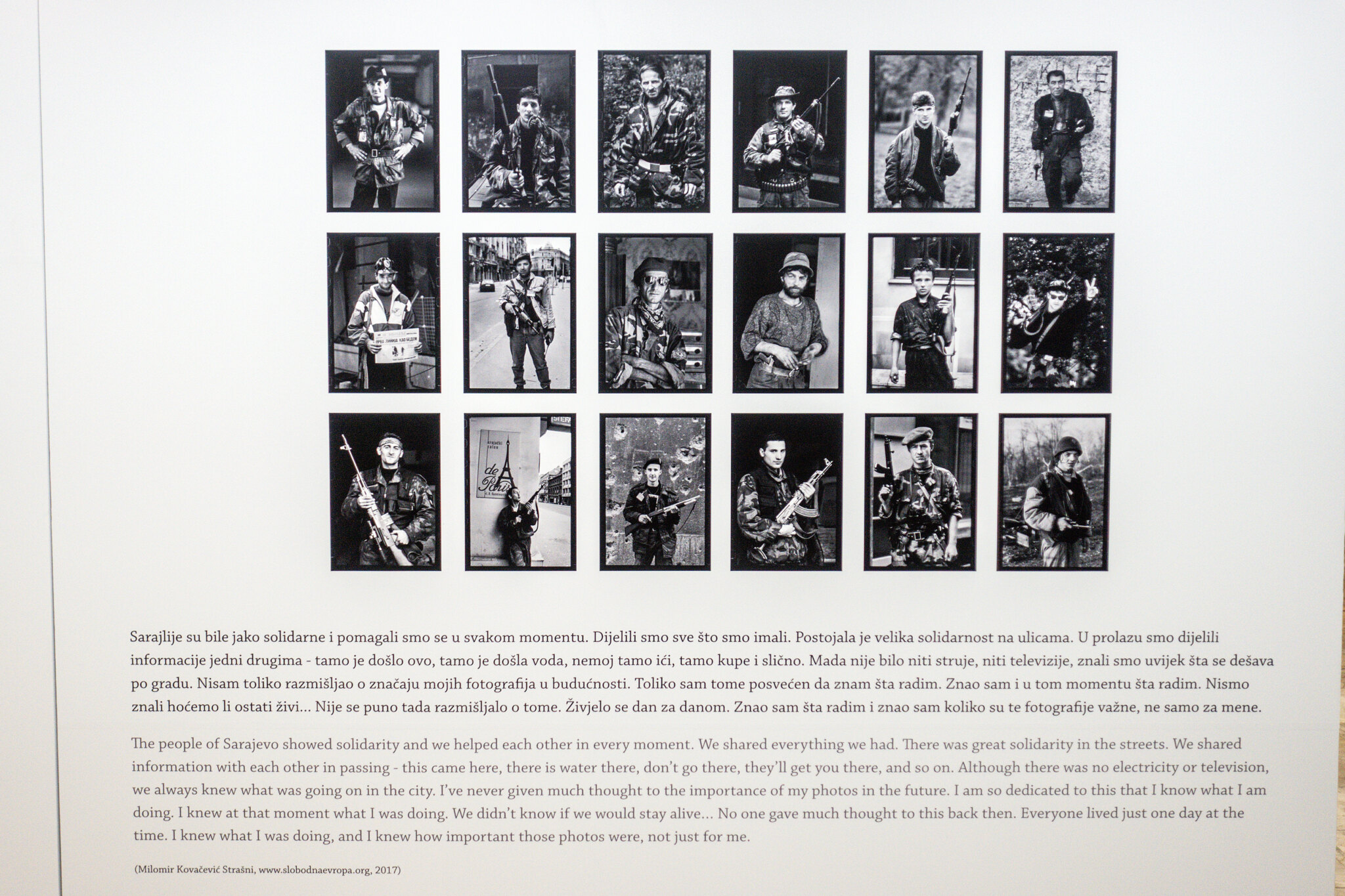
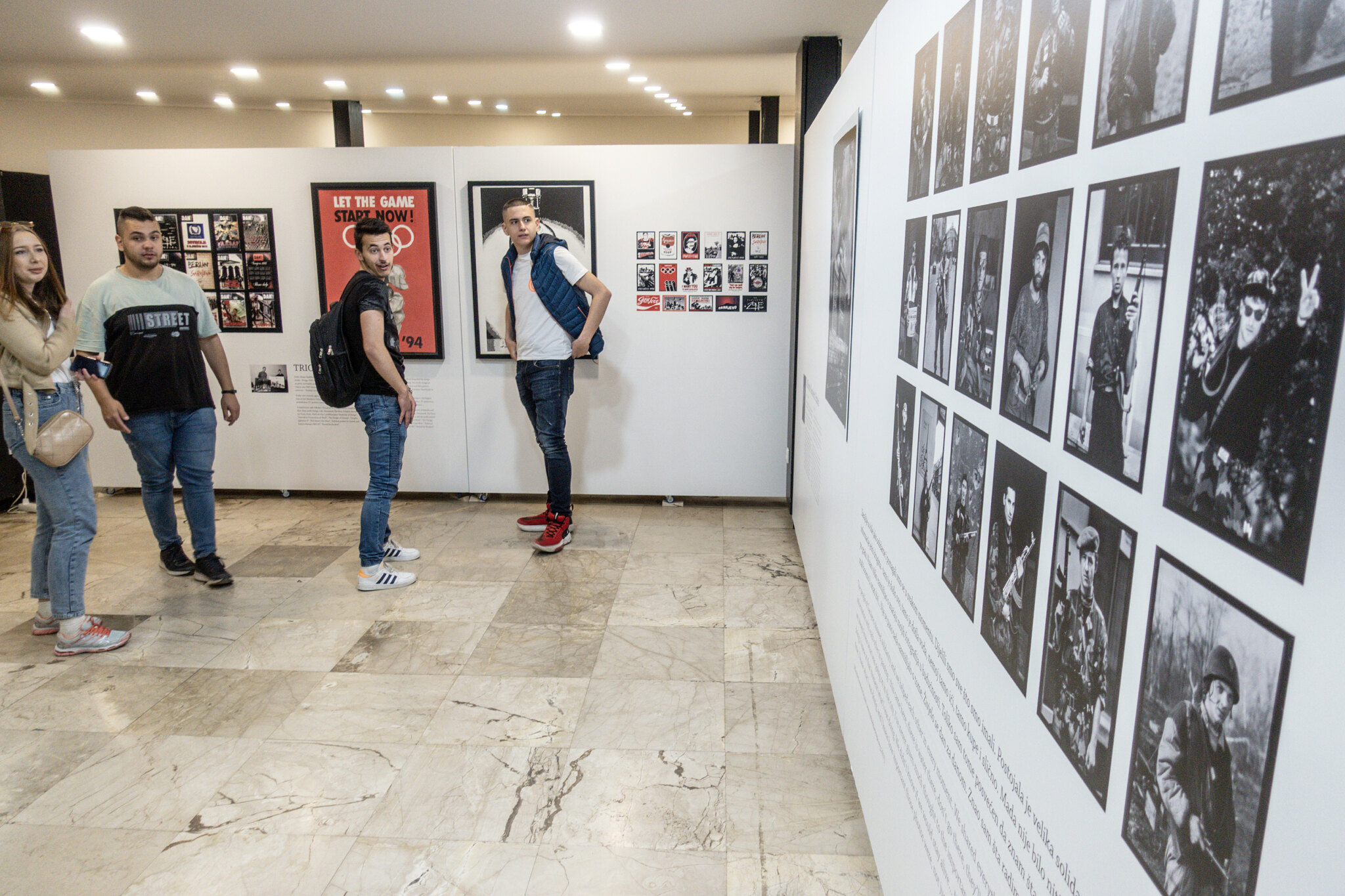
The Sarajevo edition combined journalism, historical documents, photography, testimony and contemporary art. Rather than following a conventional chronology, it was organised as a city within the city, through five streets: Neighbours, the Righteous, Fighters, Survivors and Guardians.
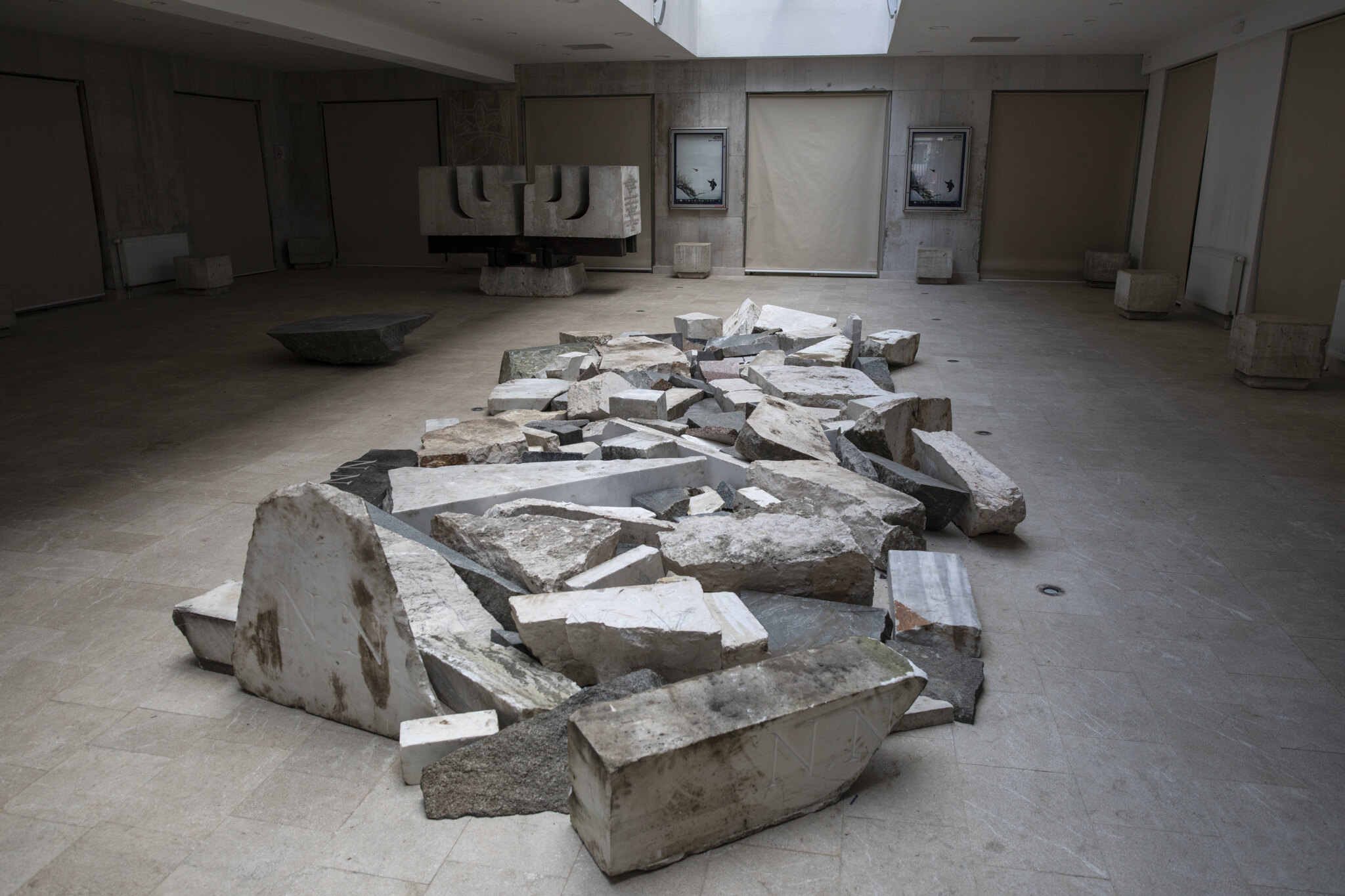
Among the works created for the exhibition were two by Šejla Kamerić. LAMED VAV – nedovoljno drew on the Jewish tradition of the 36 hidden righteous people whose existence keeps the world from destruction. POSTOJANJE – Kameni portreti, made with Damir Šagolj, used photographs of destroyed portraits on gravestones at Sarajevo’s Old Jewish Cemetery.
The story also travelled beyond Sarajevo through Israeli journalist Amira Hass, daughter of Sarajevo-born Bergen-Belsen survivor Hanna Lévy-Hass. Hass spoke of the “Sarajevo education” she received from her mother and connected the idea of living with one’s neighbours to her own life and decades of reporting while living among Palestinians.
Research for Traces of Humanity later led to the identification and preservation of the only surviving original manuscript of Hanna Lévy-Hass’s Bergen-Belsen diary. In 2024, Iz Belzena: 1944–1945 was published in Bosnian by Buybook, with a foreword by Amira Hass, bringing Hanna’s testimony back to the city where she was born.
Pravednici opened thirty years after the beginning of the siege, but it was not an exhibition about Sarajevo’s past alone. It searched Sarajevo’s history for moments when ordinary people refused the divisions imposed on them and chose instead to protect another person, a memory, a book, a grave or simply the idea of living together.
What does it mean to remain a neighbour when everything around you tells you not to?
CREDITS
Authors: Rémy Ourdan & Damir Šagolj
Coordination: Aurélie Viel
Exhibition design: Lejla Hodžić
Invited artists: Šejla Kamerić, Ozren Kebo
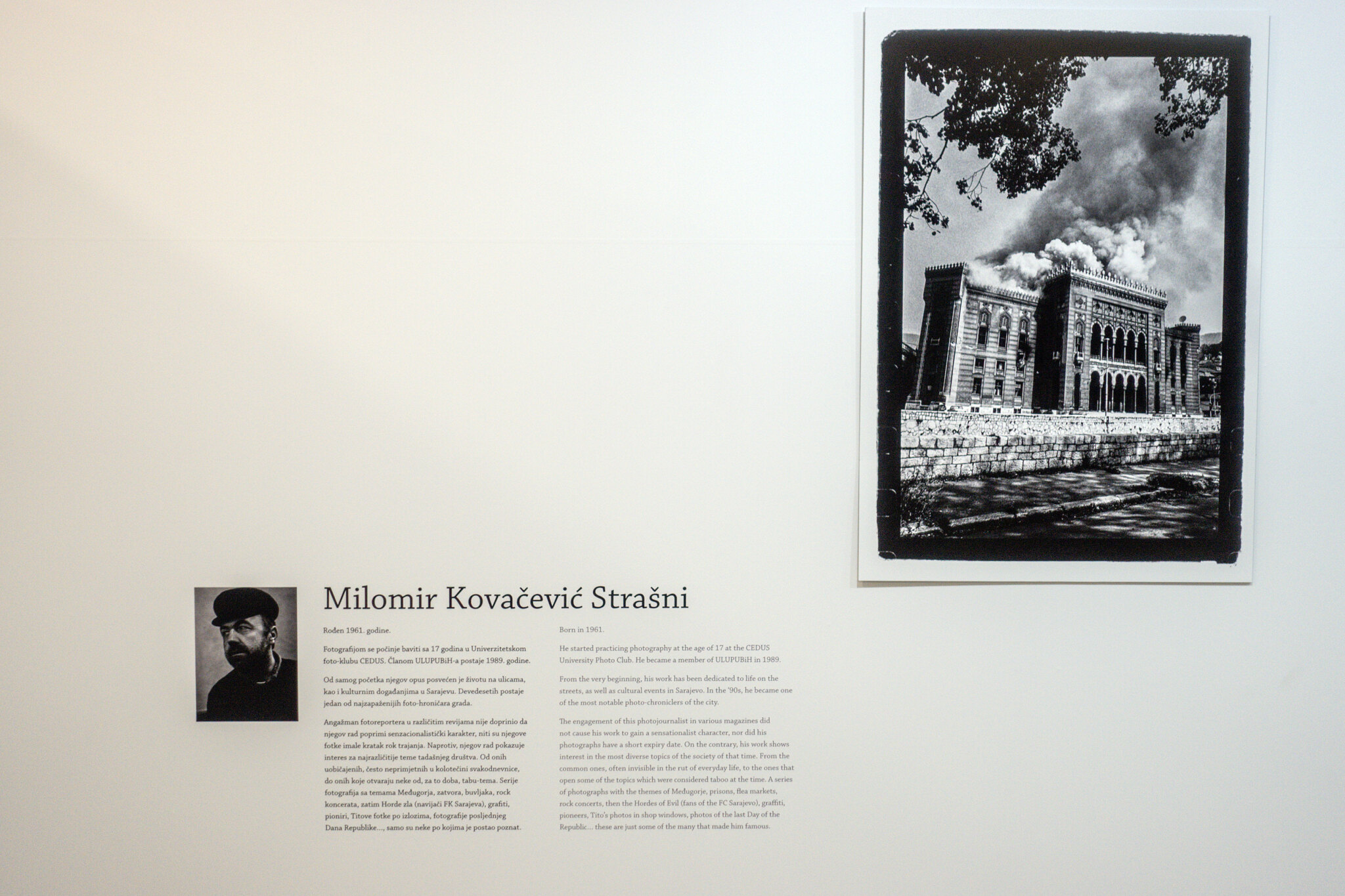
Contributors: Edward Serotta, Milomir Kovačević Strašni, Sanda Popovac, Lamija Idrizbegović, Gilles Peress, Bojan & Dada Hadžihalilović / Trio Sarajevo, Suada Kapić / FAMA International, Ron Haviv
Consultant: Eli Tauber
Poster: Amer Mržljak
Video: Faris Avdić, Dino Hujić, Redžinald Šimek, Mirza Tahirović
Research: Boba Lizdek, Adna Muslija, Olga Ungar
Translation: Slobodanka Boba Lizdek
Production: WARM Foundation, Bayeux Calvados-Normandy Award for War Correspondents, Bosnian Cultural Centre
Partners: Canton Sarajevo, ForumZFD, Heinrich Böll Foundation, Jewish Community of Bosnia and Herzegovina, Institut français de Bosnie-Herzégovine, National Museum of Bosnia and Herzegovina, Centropa