
Damir Šagolj
Photographer - Director, WARM
Carol Isoux
Journalist and foreign correspondent
Thailand and Myanmar: Old Enemies, United in Revolt
Text by Carol Isoux, photos by Damir Šagolj (Thailand) and anonymous photographers (Myanmar)
Thailand and Myanmar have been neighbours and enemies for centuries. Their shared history is one of war, invasion, betrayal, rape and massacre. In 1767, Burmese armies sacked Ayutthaya, the royal capital of Siam. More than two and a half centuries later, the wound has not entirely healed.
Yet the two peoples have never been so close.
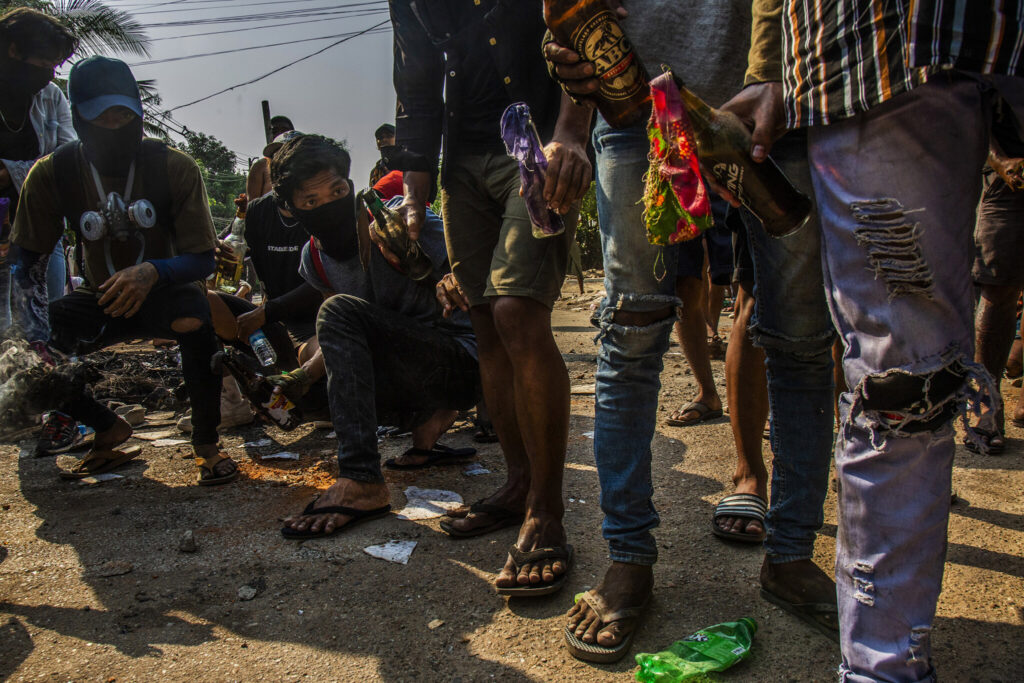
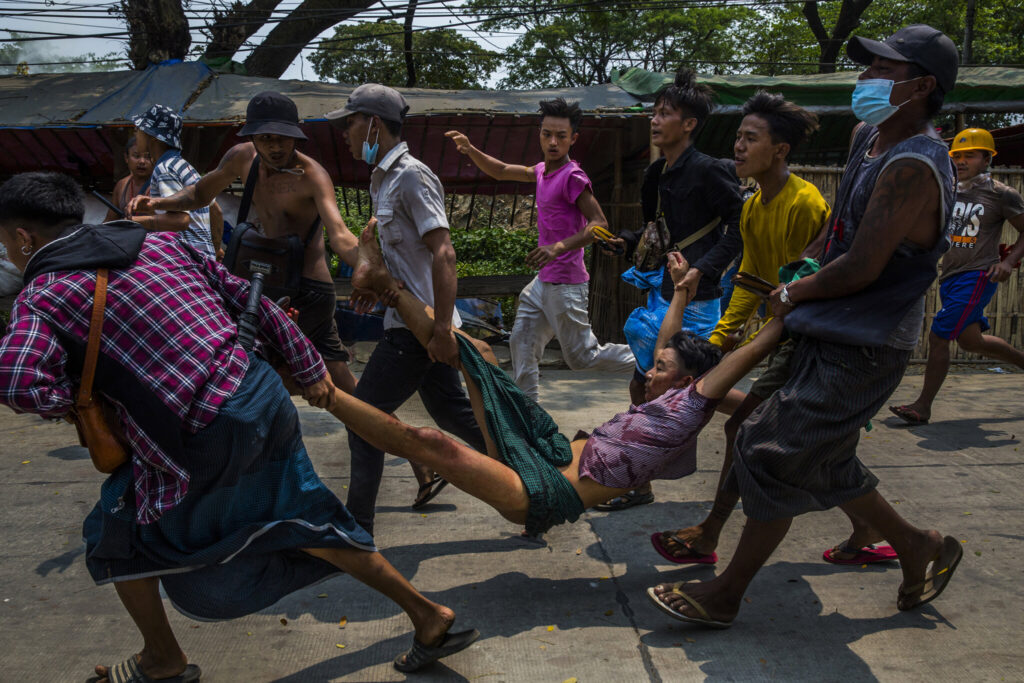
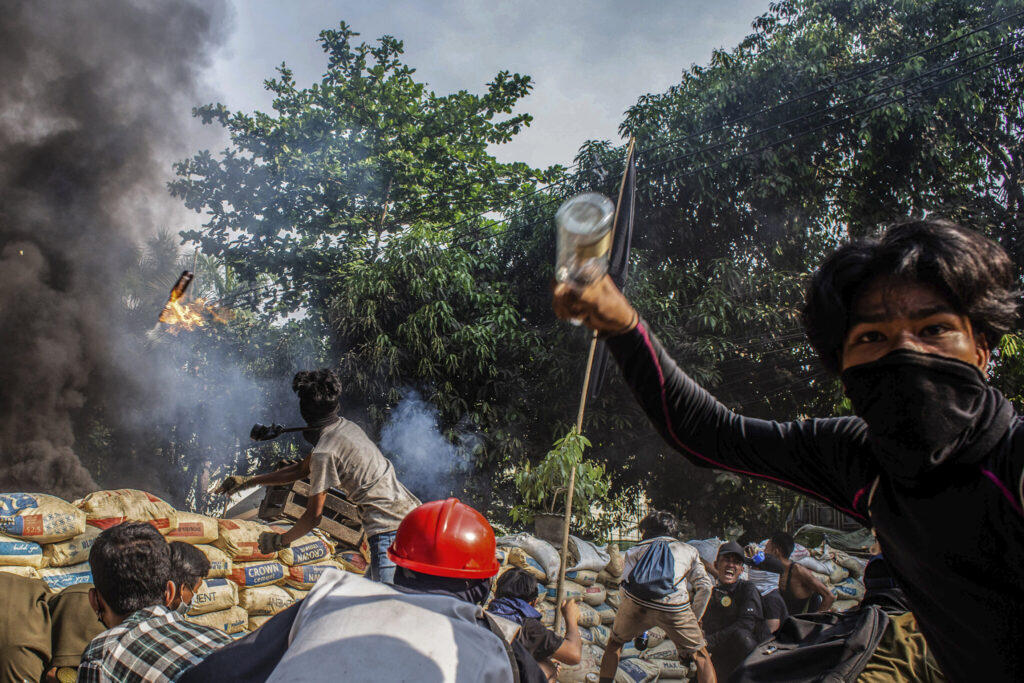
Since the February 2021 coup, Myanmar’s military junta has brutally crushed the Civil Disobedience Movement and bombed border areas. Fleeing repression and poverty, millions of Burmese now live in Thailand.
In recent years, another connection has emerged, on the streets. Across the border, protesters increasingly find themselves confronting the same adversaries.
Above all, the military.
Myanmar in 1988. Students rise up against the authoritarian rule of General Ne Win. Monks and other sections of civil society join them, demanding political change. Then again in 2021, after the military seizes power in a coup. The fight is ongoing.
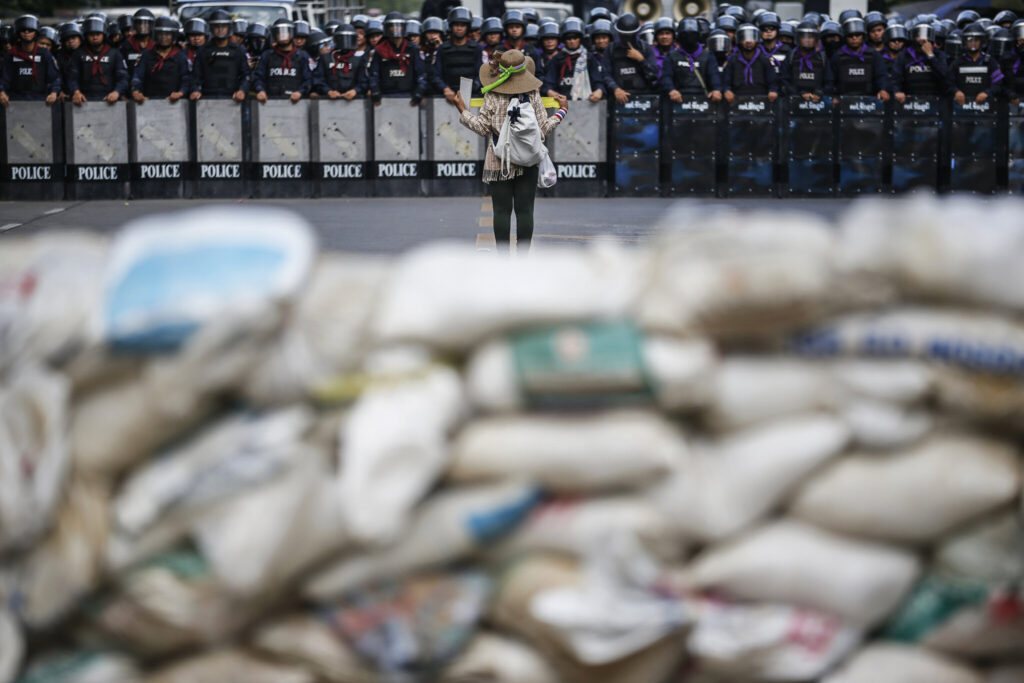
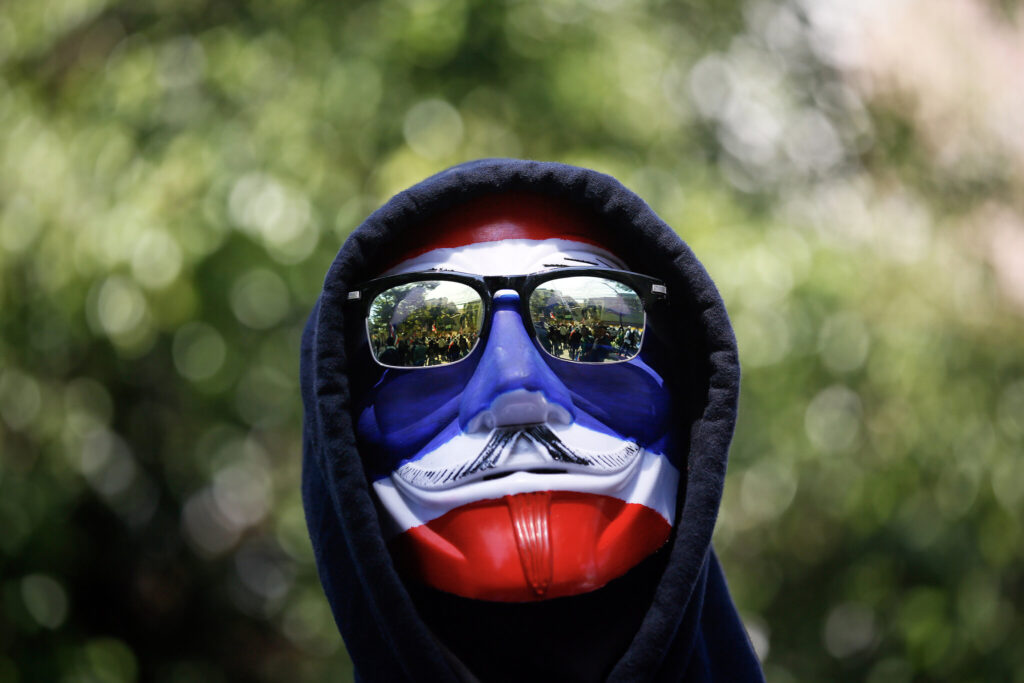
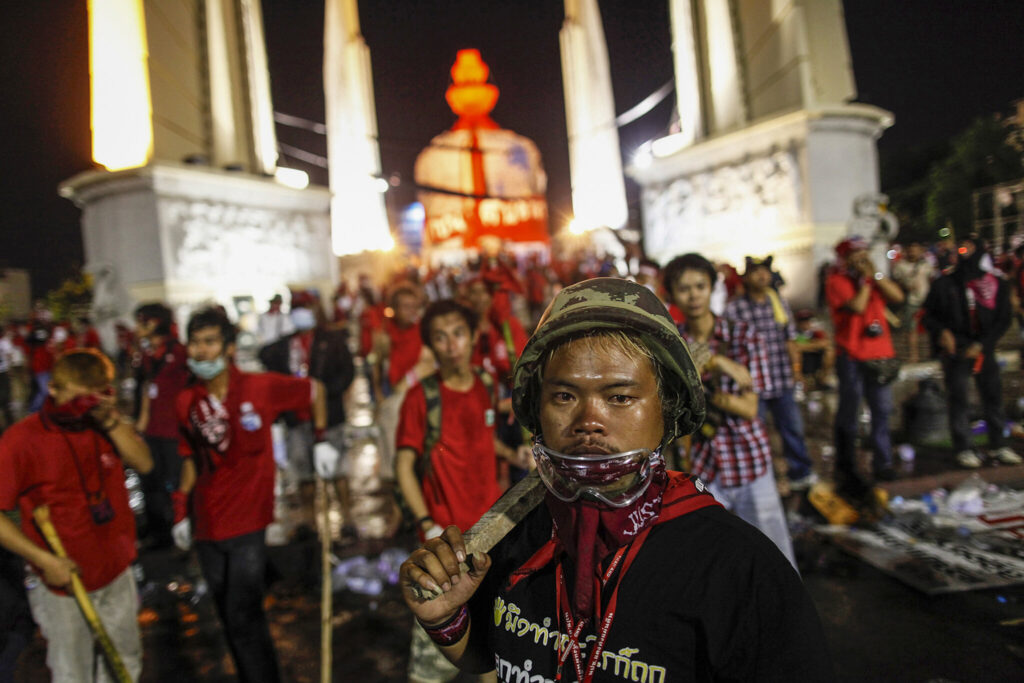
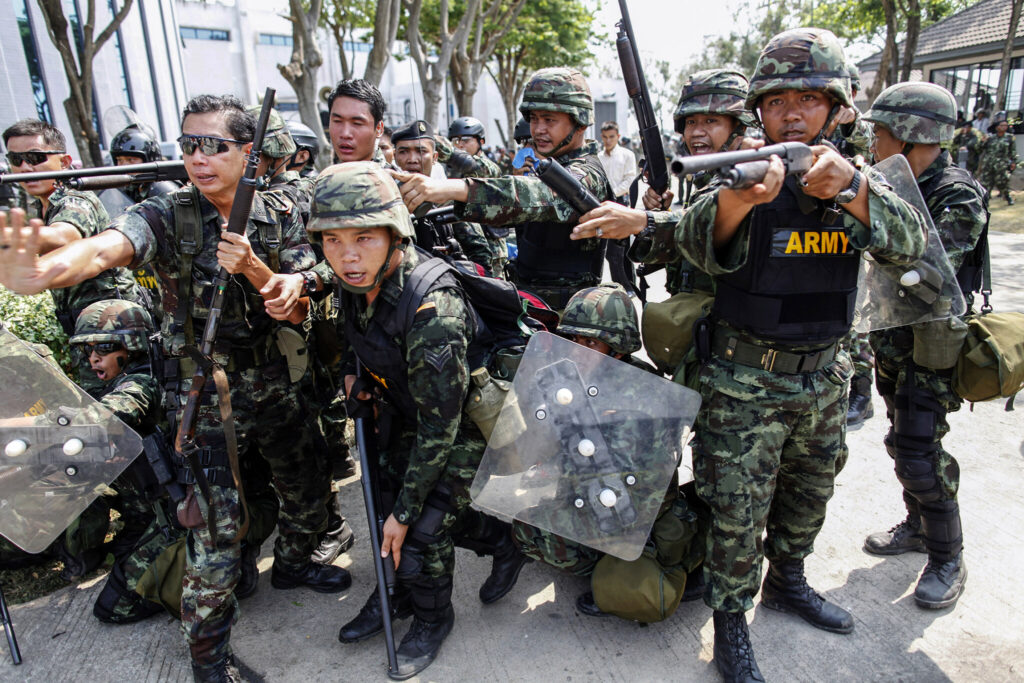
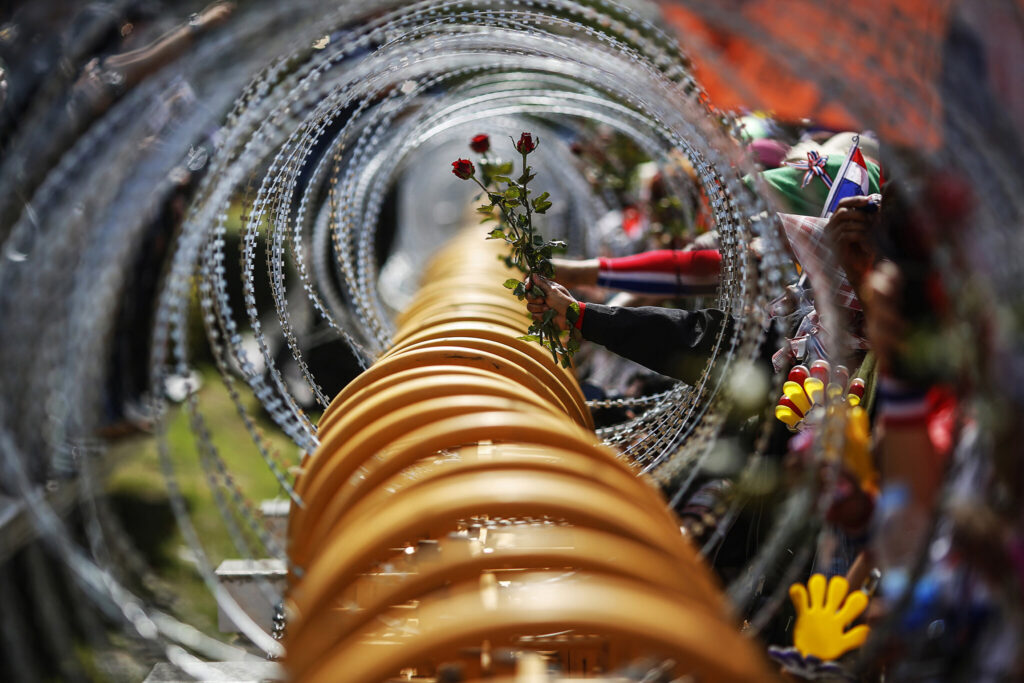
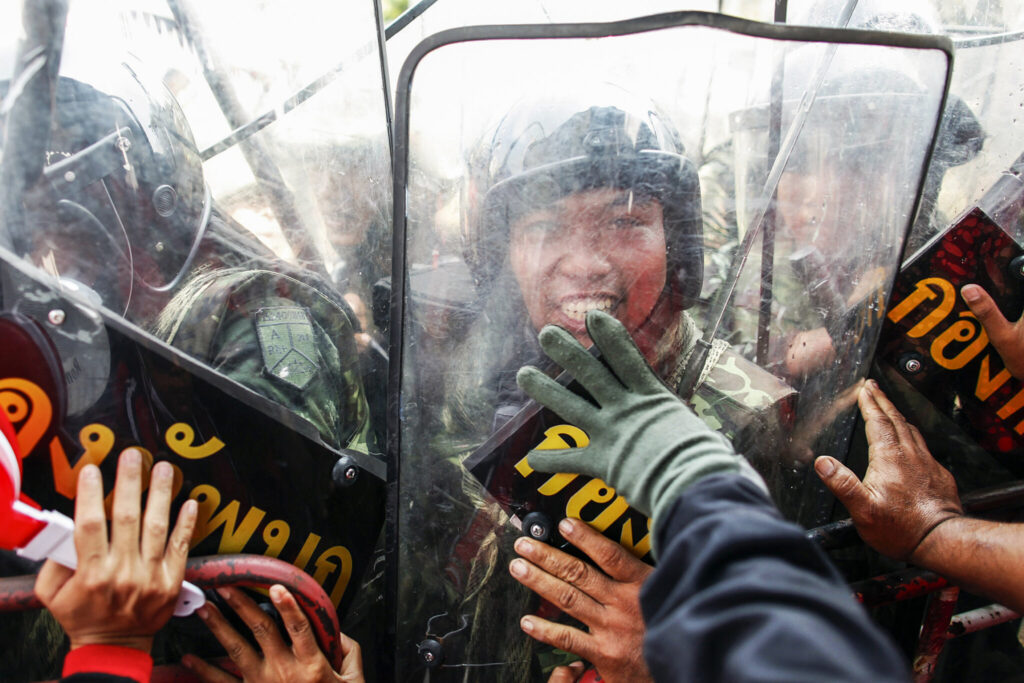
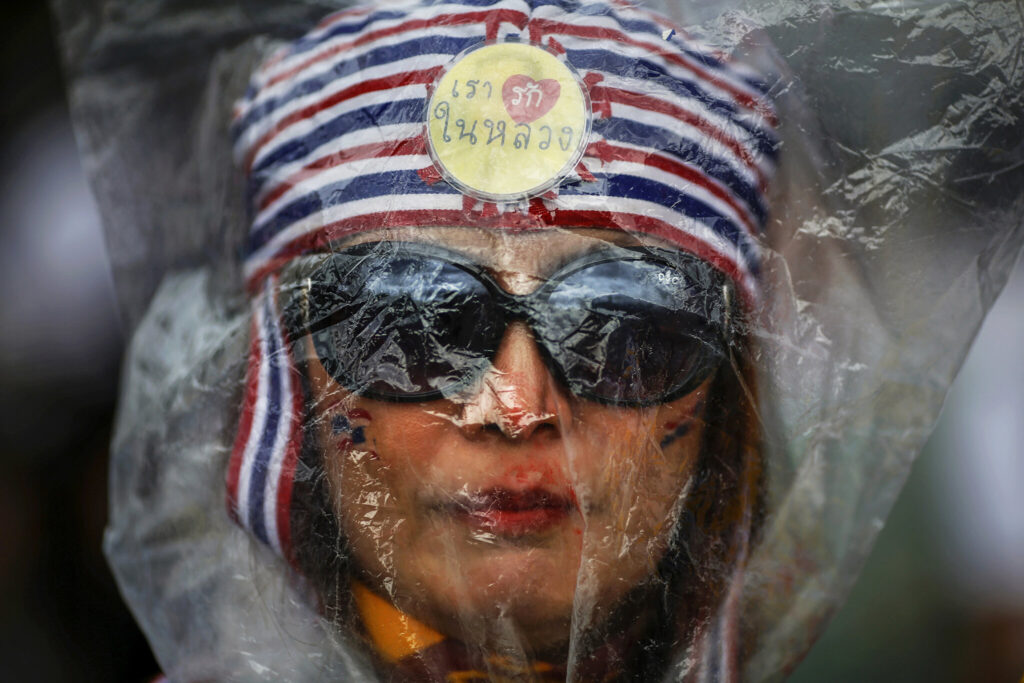
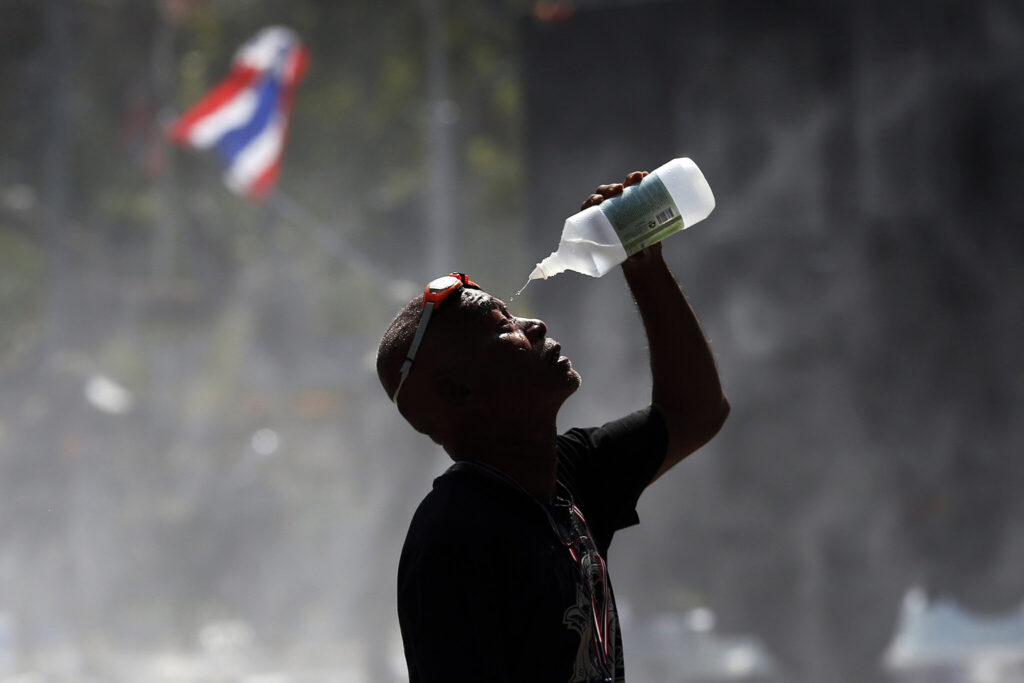
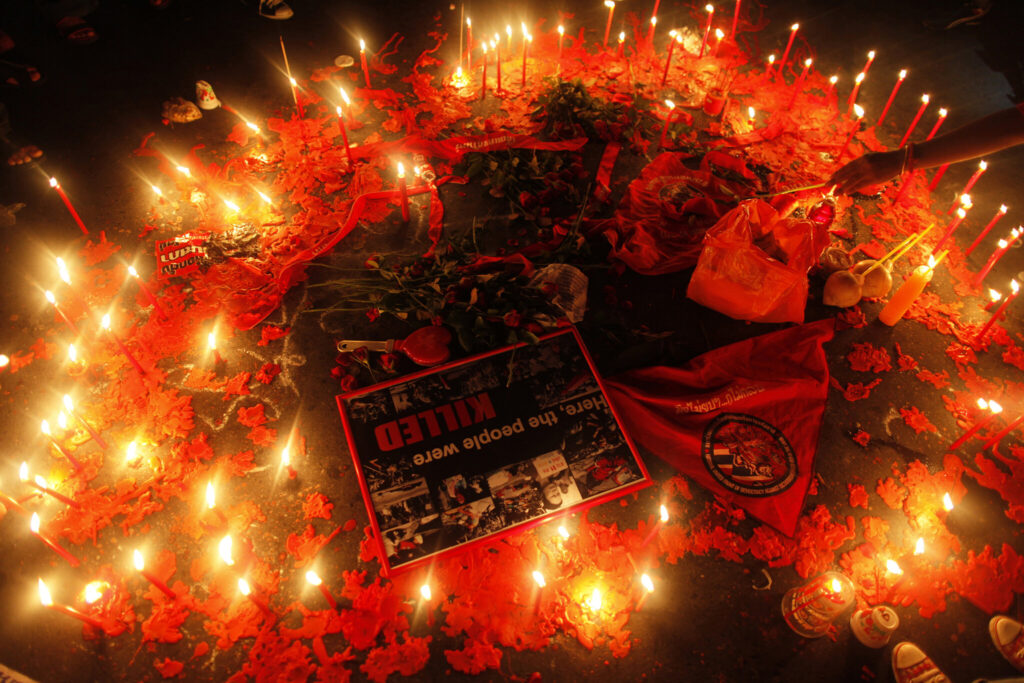
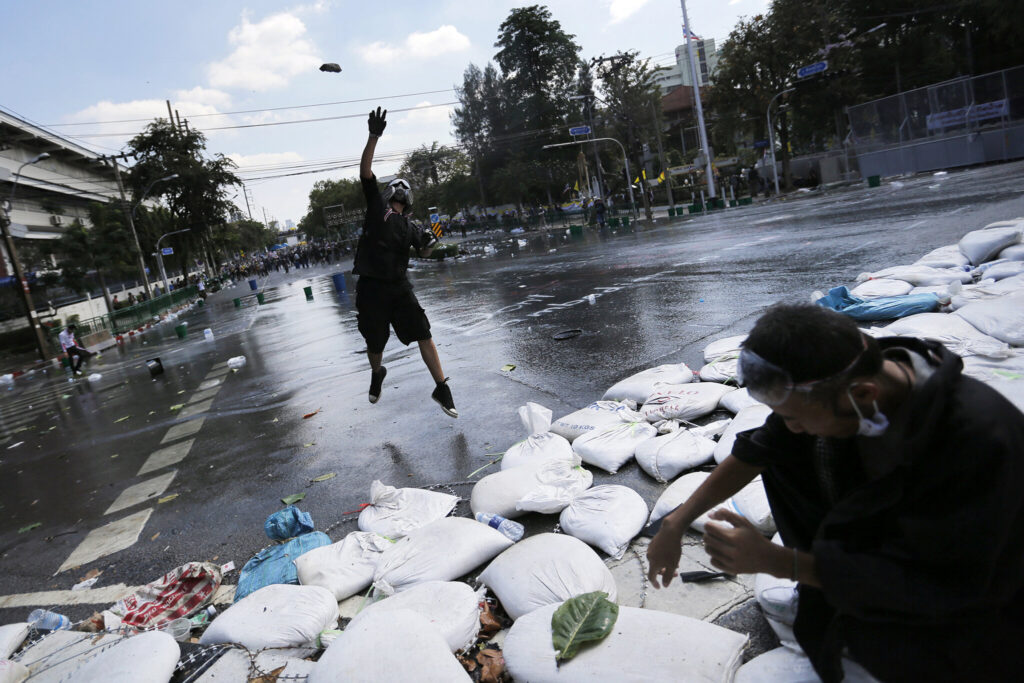
Thailand in 2010. Red Shirt protesters occupy central Bangkok, demanding the return of an elected prime minister ousted by a coup. More than 90 people die during the violence and military crackdown. Then again in 2020, when a new generation takes to the streets against the government of General Prayuth Chan-o-cha.
In both countries, the military haunts political life, yet it does not wield the same power. In Myanmar, the army is a state within the state, openly holding the reins of power. In Thailand, its influence is more discreet, intertwined with the monarchy and the business establishment. Since the end of absolute monarchy in 1932, 18 coups have punctuated the country’s political history: a world record.
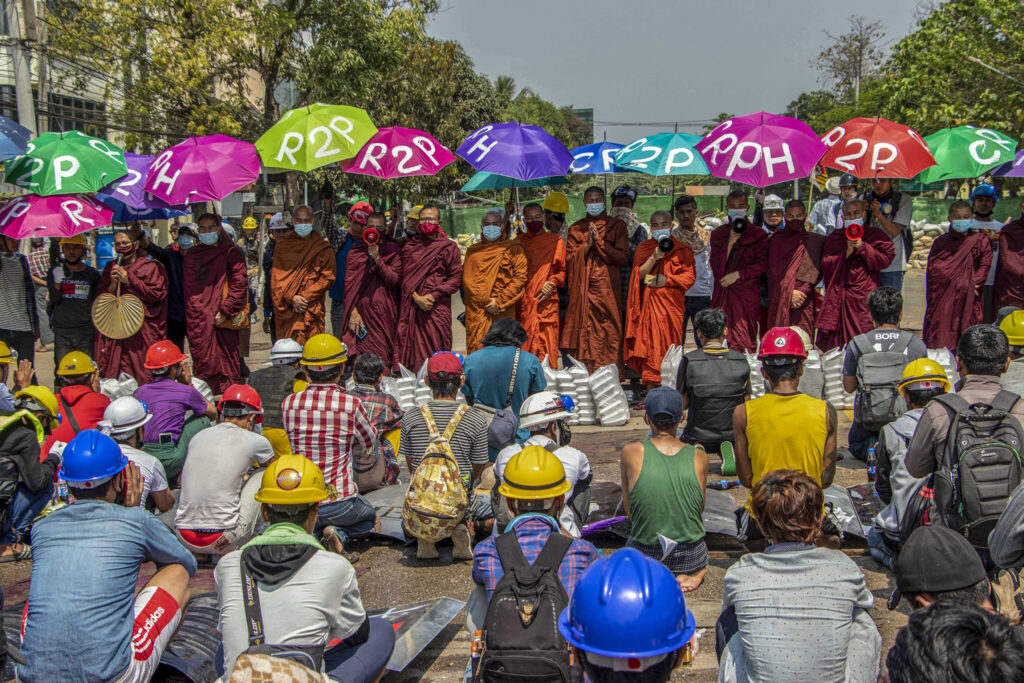
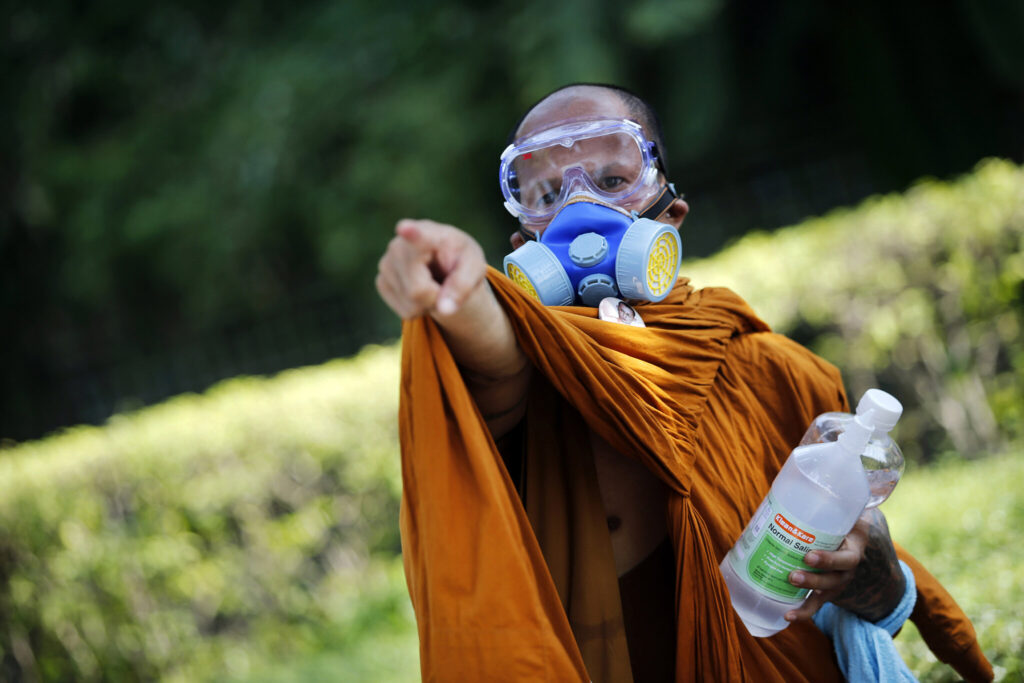
There is another recurring presence: Buddhist monks.
They appear throughout these uprisings. Sometimes on one side, sometimes on the other. Here, monks rely on the community that feeds and supports them every day. In most families, a son, brother or father has spent time in a monastery. Monks are at the heart of civil society.
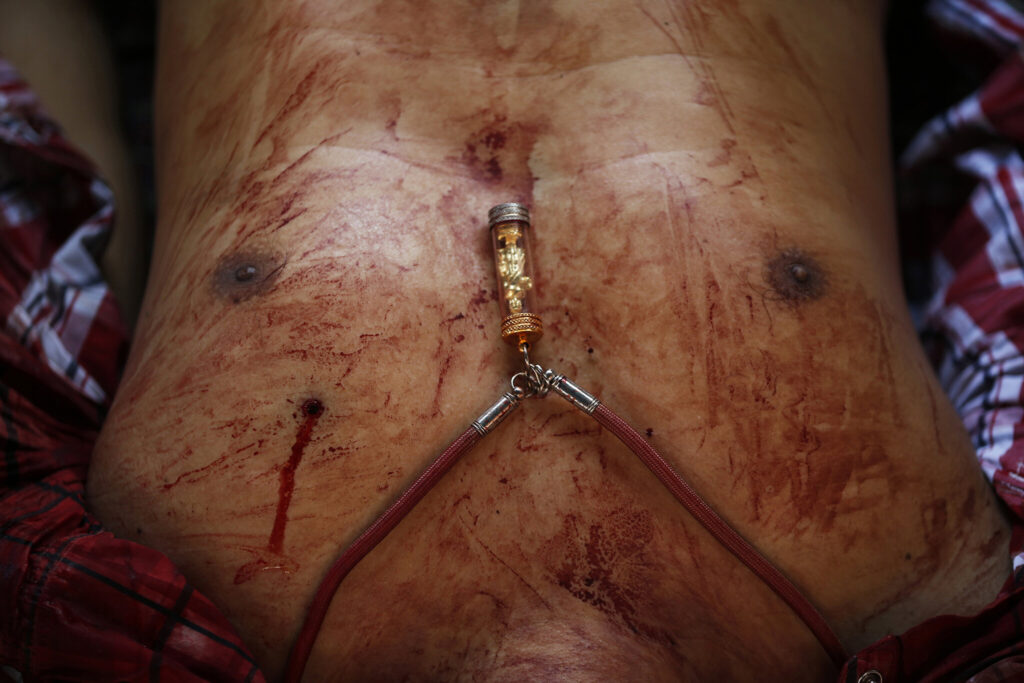
It is also a reminder of the spiritual landscape shared across the border. Karma. Natural law. The balance between good and evil. Amulets and sacred tattoos invested with protective powers against misfortune, against bullets. Against the violence of the armed forces.
More than ancient beliefs, protesters now increasingly share a language of resistance.
Across Asia, they watch one another, borrow from one another, improvise on one another’s ideas. Social media accelerates the exchange. Hong Kong protesters helped spread tactics through the Milk Tea Alliance, a loose pan-Asian network of young activists united by their opposition to authoritarian rule, whether from Beijing or Southeast Asia’s militaries.
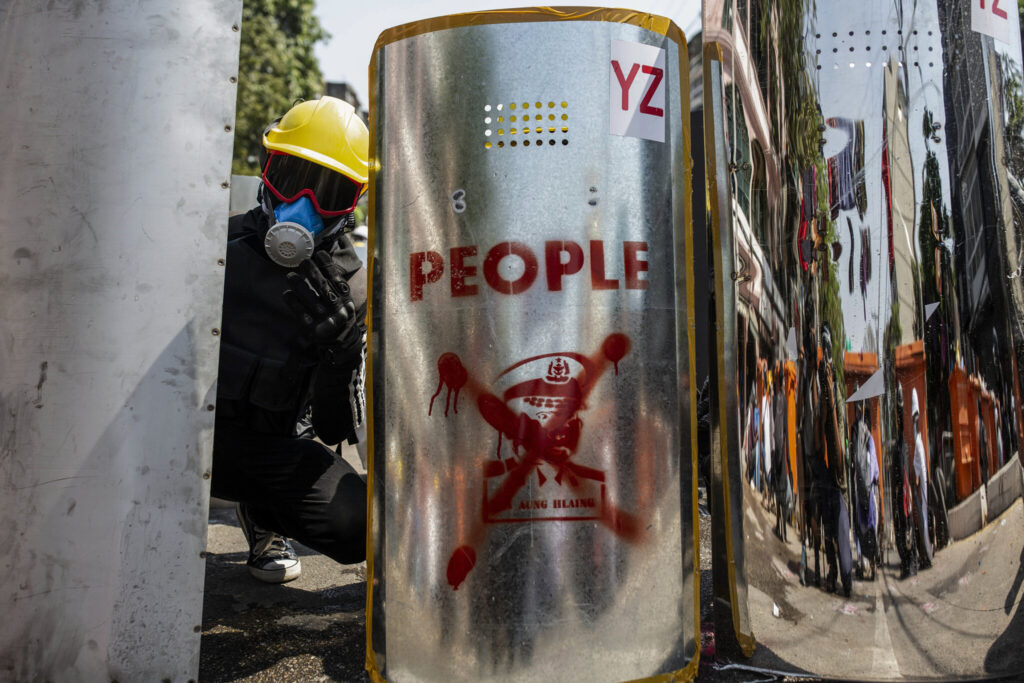
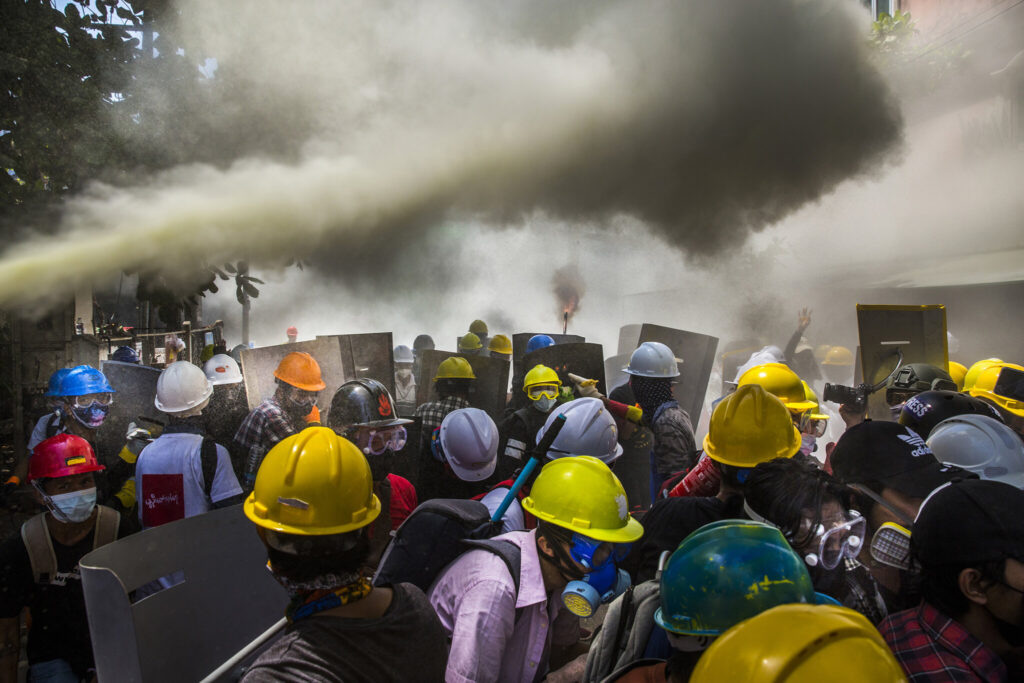
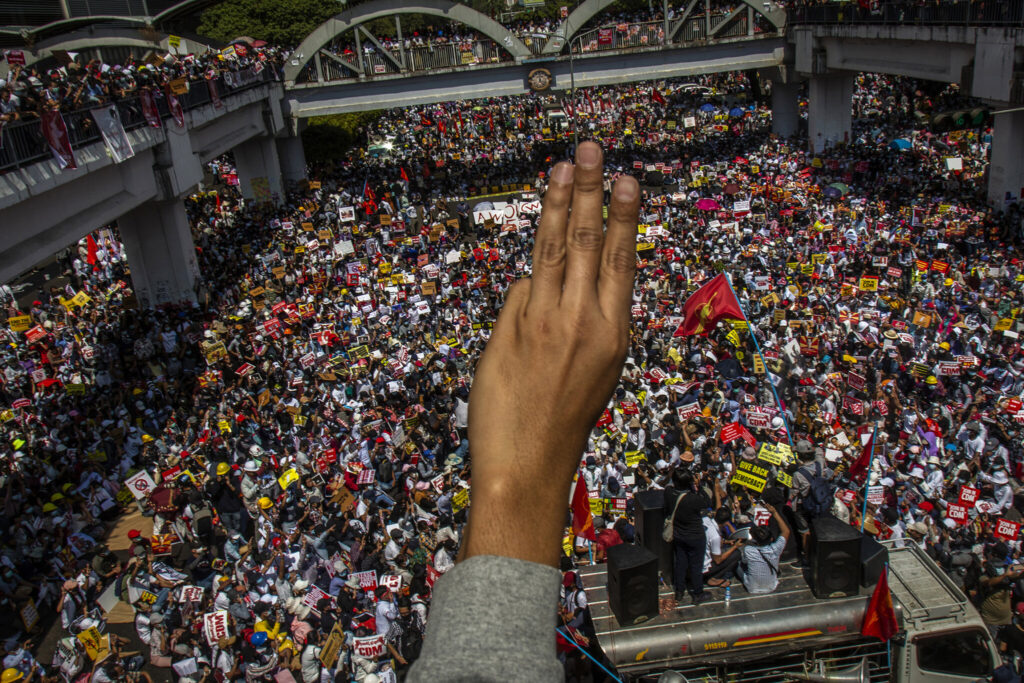
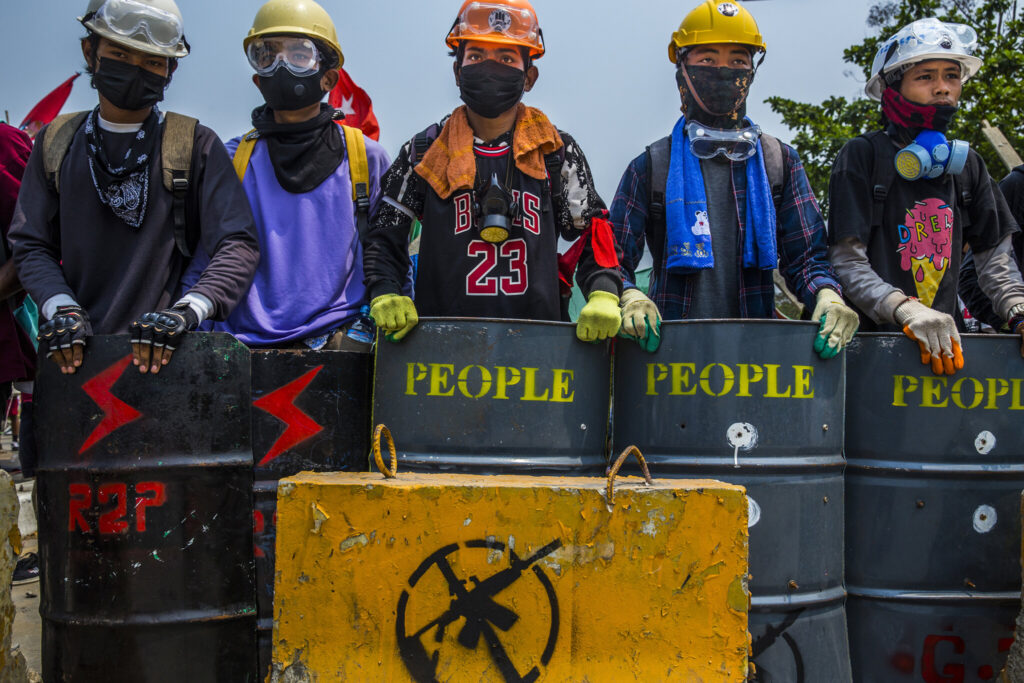
Look at the streets and the family resemblance is unmistakable. Construction helmets: cheap, readily available, protection against flying projectiles. Swimming goggles against tear gas. Umbrellas against water cannons, also handy against tropical rain and the punishing sun.
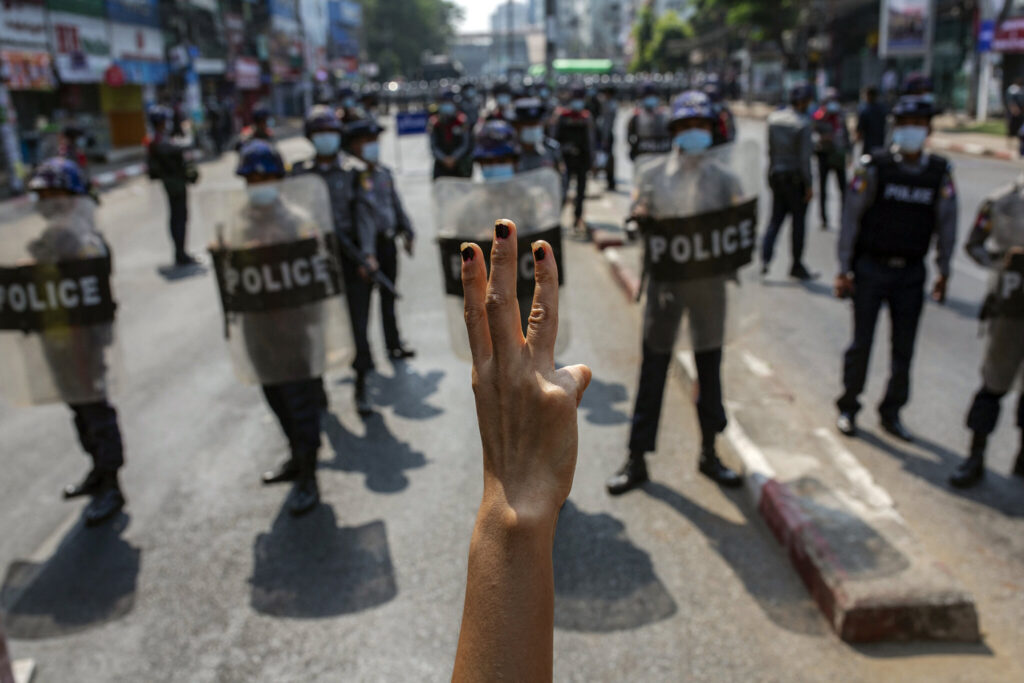
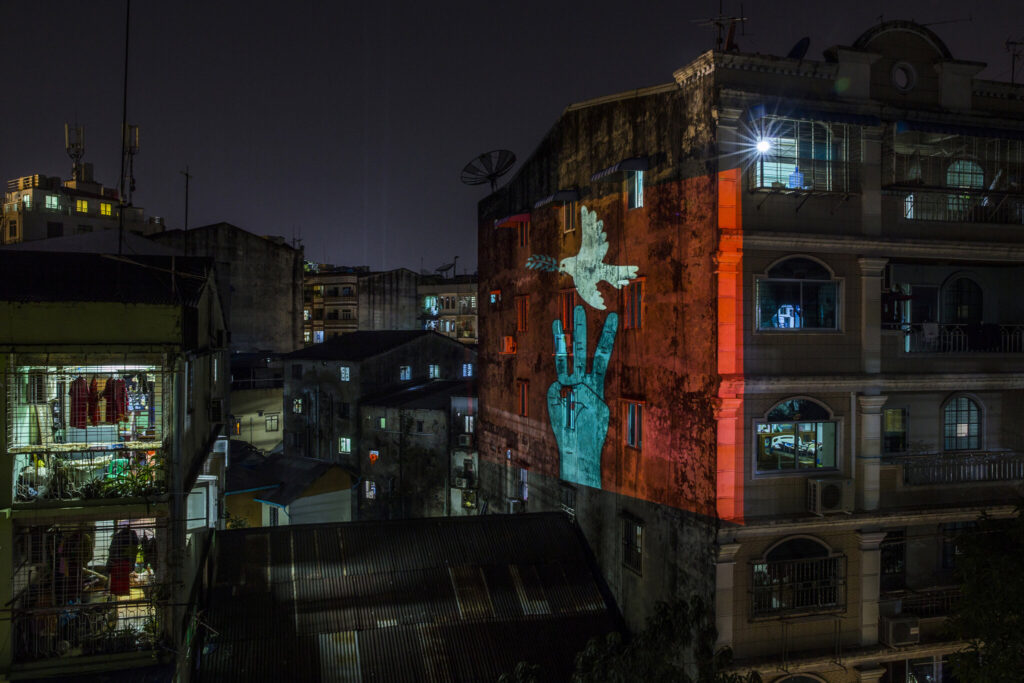
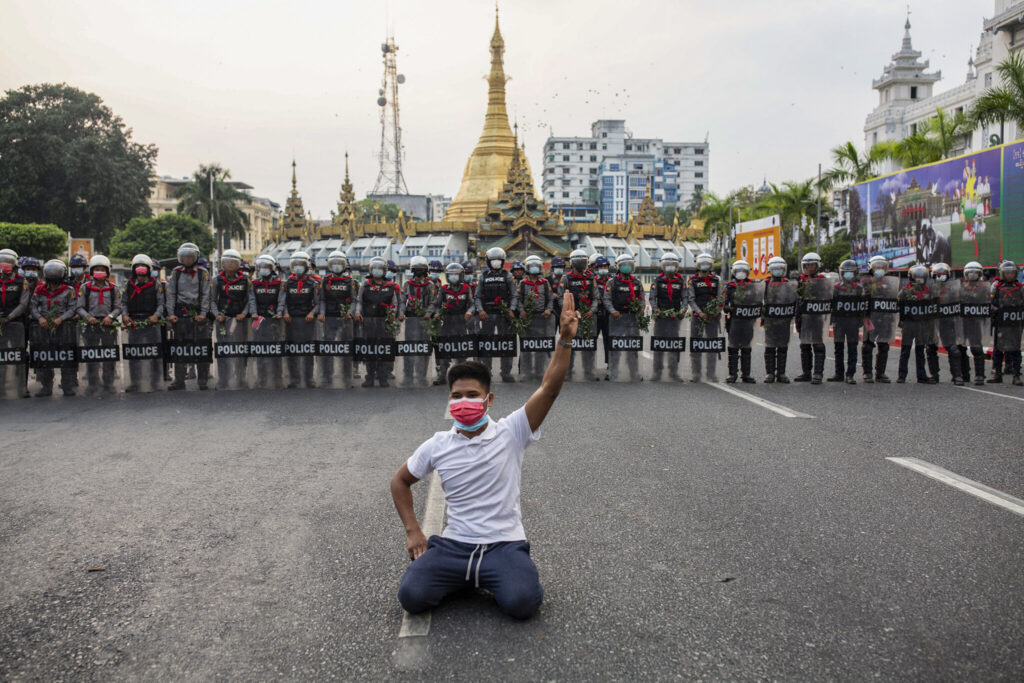
And then there is the most recognisable symbol of all: three fingers raised in the air.
The gesture comes from the fiction The Hunger Games, a dystopia in which an impoverished population struggles to survive while a tiny, fabulously wealthy elite turns inequality and violence into entertainment.
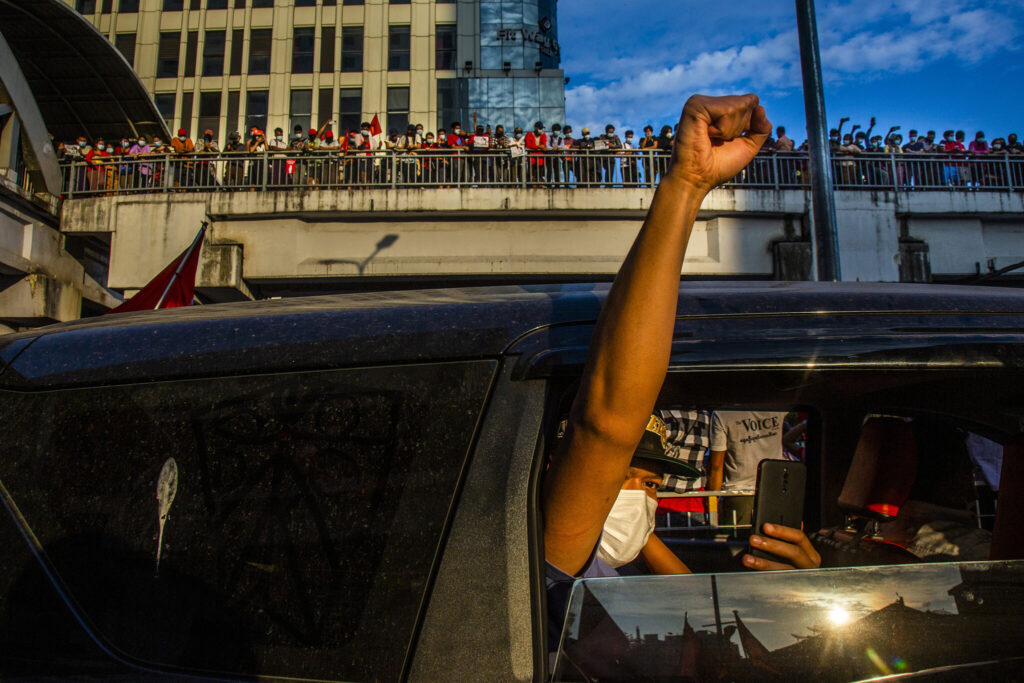
The salute was adopted by protesters in Thailand to demand reform of the monarchy. After Myanmar’s coup, three raised fingers became a symbol of resistance to military rule.
The struggles are not the same. Neither are the risks.
In Myanmar, activists confront a military regime that has imprisoned, tortured and killed thousands of its opponents. For the photographers of the Sacca collective, and all photographers working inside Myanmar, anonymity is not an aesthetic choice. It is a survival strategy.
Thailand and Myanmar have very different political histories. In both, a younger generation is demanding profound change.
More opportunities. More freedom. The right to question deference to elders when it comes at the expense of the rule of law. The right to stop bowing one’s head -literally- before those who are older and more powerful. A way out of political battles shaped by ethnicity, clan and entrenched loyalties.
Two different countries, but on either side of the border, the same question: how much longer will we accept the structures of oppression we inherited?