
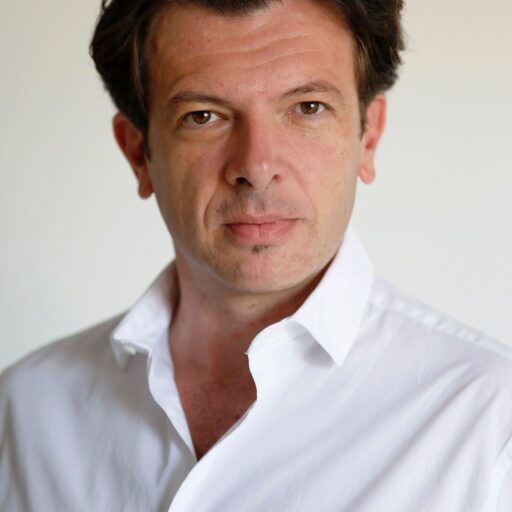
Damir Šagolj
Photographer - Director, WARM
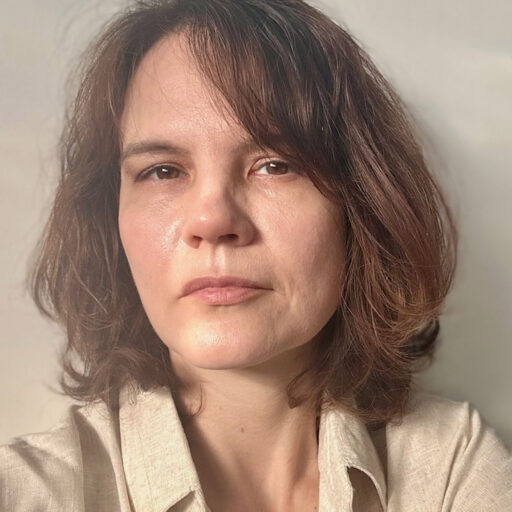
Carol Isoux
Journalist and foreign correspondent
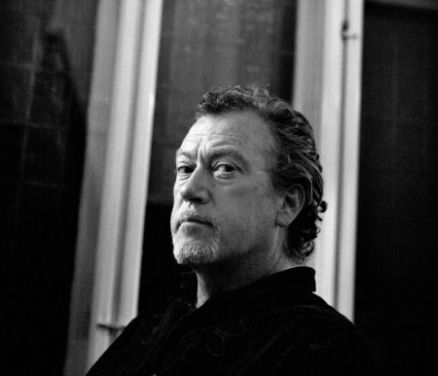
Jon Lee Anderson
Journalist
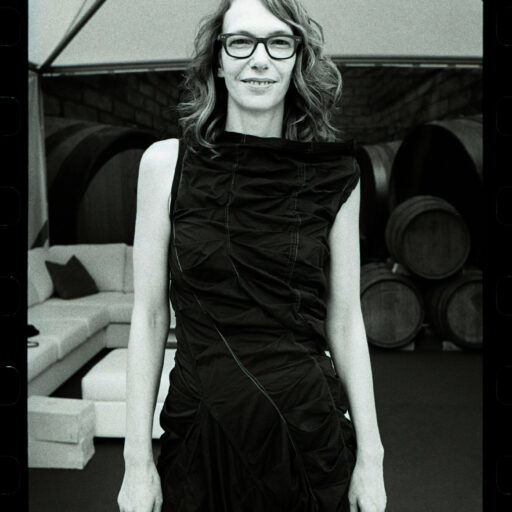
Lejla Hodžić
Curator and designer
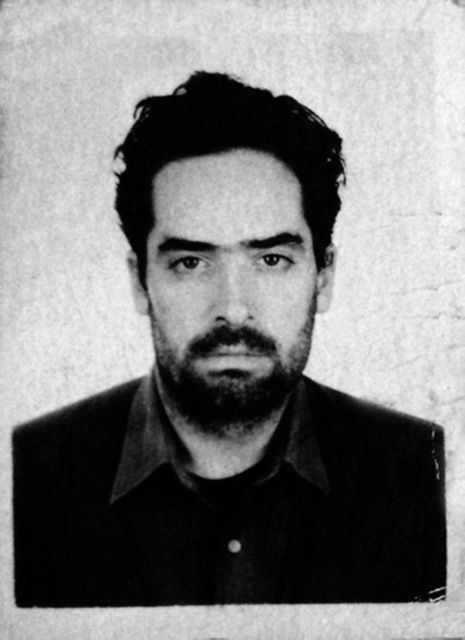
Thomas Dworzak
Photographer, Magnum
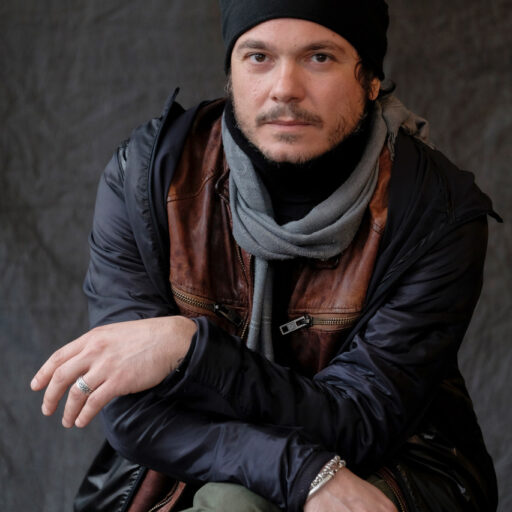
Fabio Bucciarelli
Photographer
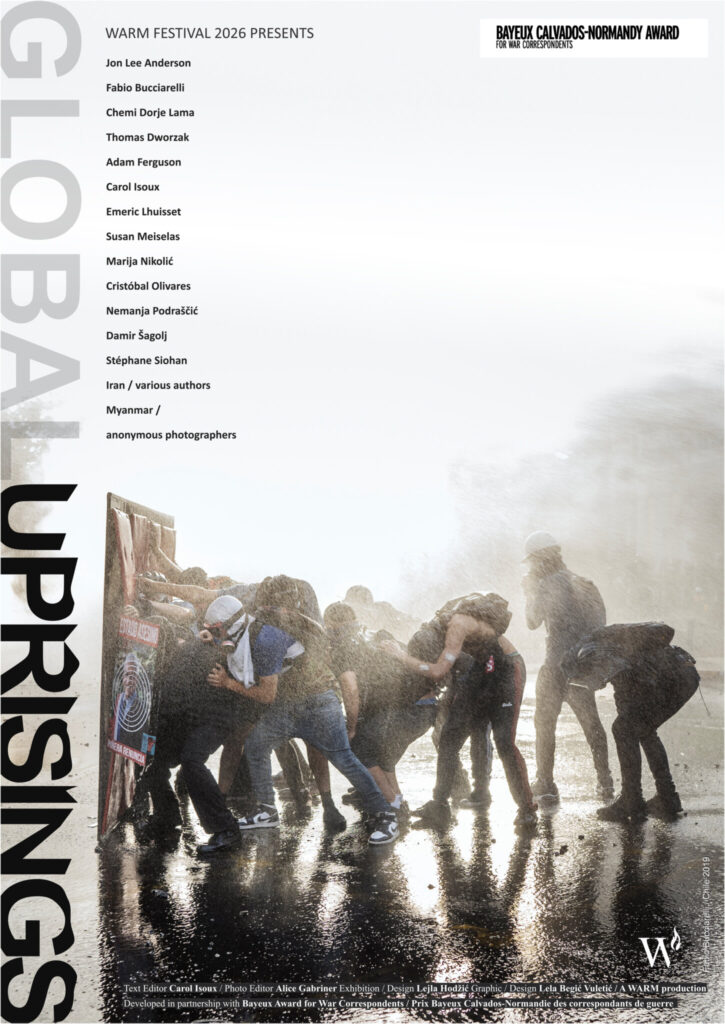
UPRISINGS:GLOBAL
Uprising: an act of resistance or rebellion. A revolt.
An uprising comes from below, from the roots of society. It begins when people will no longer accept what is given. When discontent becomes disobedience.
It happened in Palestine in 1987, when people could no longer tolerate twenty years of occupation. With little more than stones and strikes, an entire population rose against an oppressive, heavily militarised state. A struggle so unequal, so emblematic that its Arabic name entered the world’s vocabulary. We all know it: Intifada. Uprising.
It happened again in Tunisia in 2010, when a young street vendor decided he would not endure one more humiliation and set himself on fire. His death ignited years of accumulated anger over unemployment, corruption and repression and triggered a wave of revolts across the Arab world.
It happened again in Chile in 2019, when students refused to accept yet another metro fare increase. Thirty pesos. A seemingly ridiculous amount that crystallised years of frustration over inequality, healthcare and education.
It will happen again. That moment when people say: enough.
Photography has always accompanied those who rise up, shaping how uprisings are seen and remembered. Today, images are part of the fight itself.
What images ignite a revolt? How does their circulation shape a movement?
The past decade has brought an extraordinary wave of uprisings. Across continents, protesters watch one another. From Kathmandu to Belgrade, Santiago de Chile to Dhaka, Hong Kong to Tehran, images, symbols and tactics travel, mutate, reappear. From one movement to the next, a global language of revolt emerges.
Anger is ancient. So is rebellion against power, injustice, corruption and inequality. But the shape of revolt is changing.
Social media fuels it, structures it, carries it across borders — and becomes itself a battlefield. Anonymity becomes protection. The hero loses his face; the group takes his place. Uprisings leave scars.
Along with our ideas of masculinity, the face of courage is changing.
The camera changes hands. Photographer, protester, witness: the boundaries blur.
Still, revolt and photography remain bound together in the same restless relationship of power and mutual influence: who makes the image? Who controls it? Who uses whom?
Revolt begins with an act. An image escapes and transforms that act into the spark of another uprising.
─────────
Authors: Adam Ferguson, Jon Lee Anderson, Fabio Bucciarelli, Chemi Dorje Lama, Emeric Lhuisset, Stéphane Siohan, Nemanja Podraščić, Marija Nikolić, Cristóbal Olivares, Damir Šagolj, Susan Meiselas and Thomas Dworzak
Myanmar: Photographs by anonymous photographers
Iran: Social media images from January 2026, from the Thomas Dworzak Collection, edited by Alice Gabriner
Text editor: Carol Isoux
Photo editor: Alice Gabriner
Exhibition designer: Lejla Hodžić
Graphic design: Lela Begić Vuletić
Production: WARM Foundation
In partnership with: Bayeux Calvados Normandy Award for War Correspondents
With the support of: WARM members and friends
Gen Z, a global language of revolt
by Carol Isoux
Photography of Uprising, Uprising of Photography
by Damir Šagolj
What are we willing to die for?
by Jon Lee Anderson
Portraits of Dissent
by Adam Ferguson
Shahr-e-Farang
by Thomas Dworzak
The Earlthly Kingdom
by Marija Nikolić, photos by Nemanja Podraščić
The Spirit of Maidan
by Stéphane Siohan
Maidan – Hunded Portraits
by Emeric Lhuisset
Thailand and Myanmar: Old Enemies, United in Revolt
by Carol Isoux, photos by Damir Šagolj (Thailand) and anonymous photographers (Myanmar)
They are marking us
by Cristóbal Olivares